
以人民健康为中心

Search documents
“优质共享”——推动“以治病为中心”向“以人民健康为中心”转变
Xin Hua Ri Bao· 2026-02-04 00:52
Core Viewpoint - The government emphasizes the implementation of a strong foundation in healthcare and the promotion of tightly-knit county medical community construction, reflecting a shift towards a more integrated healthcare service model [1] Group 1: Healthcare Infrastructure Development - Jiangsu University Affiliated Hospital has successfully assisted Siyang Hospital in establishing four municipal clinical key specialties and transitioning it to a tertiary general hospital, addressing local healthcare gaps [1] - A formal "hospital-local government cooperation" agreement was signed in January 2023, marking a shift from point-to-point medical support to a more systematic and collaborative approach [1] Group 2: Health Management and Service Model - The hospital aims to transform its service model from a disease-centered approach to a health-centered one, focusing on prevention, management, and health promotion [1] - A "1+N+X" health management model has been developed, involving a professional team from a tertiary hospital collaborating with multiple grassroots medical institutions and community doctors for early detection and intervention [1] Group 3: Mental Health Initiatives - Mental health is highlighted as a significant public health issue, with a call for expanding services from patients to the general public, focusing on a comprehensive approach to prevention, screening, diagnosis, treatment, and recovery [1] - The hospital has conducted extensive psychological health education activities and large-scale screenings for key populations, covering over 100,000 individuals [1] Group 4: Future Directions in Mental Health Services - There is a need for a provincial-level psychological health service system, including the establishment of a psychological health technology training center and a comprehensive diagnostic demonstration base [2] - The hospital seeks more policy support for funding and insurance coverage to enhance prevention, screening, and rehabilitation efforts in mental health [2]
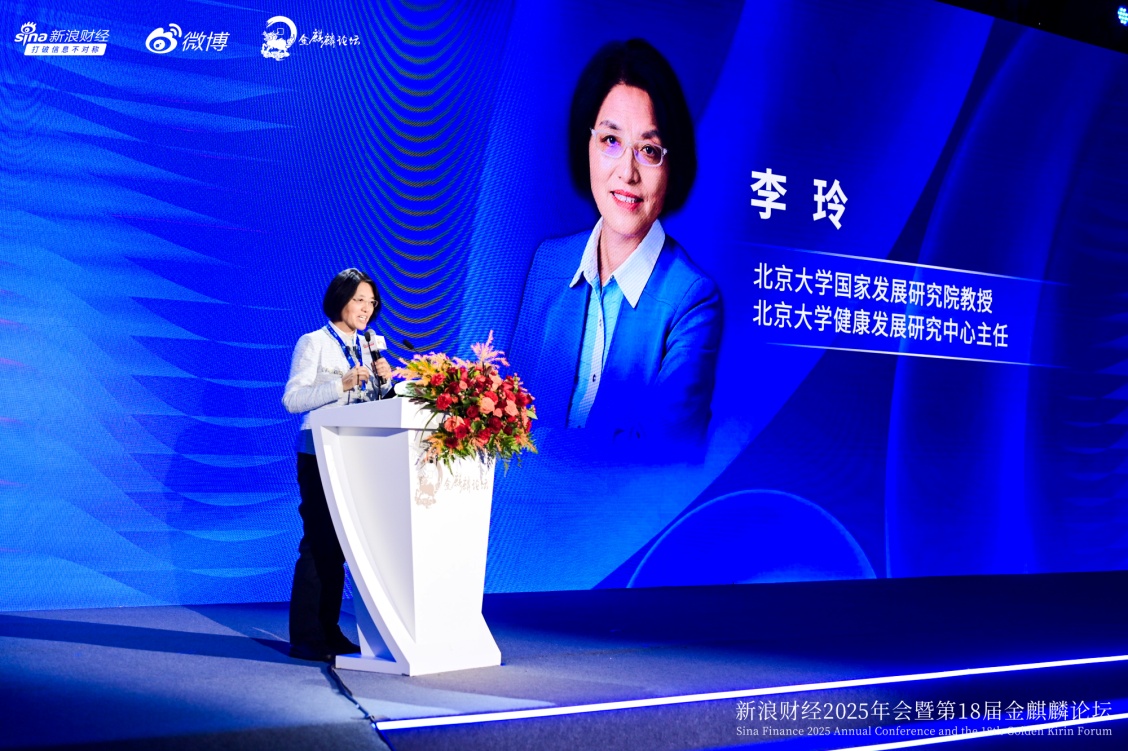
北京大学教授李玲:发展“健康+”新范式 开启全球产业新蓝海
Zhong Guo Jing Ji Wang· 2026-01-16 07:13
Core Viewpoint - China is transitioning from a "disease-centered" approach to a "people's health-centered" model, aiming to improve public health and reduce illness [1][3]. Group 1: Health System Reform - The Chinese government is implementing systematic reforms in the healthcare service system, focusing on integrated management of rural healthcare institutions [3]. - The payment system is being reformed, with health insurance funds being allocated to "health communities," linking hospital and physician income to residents' health levels [3]. - The "health community" model, known as the "Sanming Model," is being promoted nationwide, with a goal of achieving full coverage within four years [3]. Group 2: New Development Opportunities - The health sector in China faces challenges such as an aging population but also presents new development opportunities [4]. - The country is entering a "health+" development phase, integrating various industries such as healthcare, pharmaceuticals, green food, wellness, and smart health to create a new health industry covering the entire life cycle [4]. - The demand for this new health industry is continuous and substantial, serving both domestic needs and potential global markets [4]. Group 3: Innovation and Technology - China is leveraging the integration of agriculture, industry, commerce, and information technology to drive innovation in the health sector [4]. - With the empowerment of artificial intelligence and new production capabilities, the country aims to achieve comprehensive health management through platforms like personal health codes and health information networks [4]. - The integration of systematic, informational, and intelligent approaches is expected to create a high-quality, low-cost, and scalable health system [4].

“预住院”服务的改革深意(新知)
Ren Min Ri Bao· 2026-01-06 02:06
Core Viewpoint - The introduction of "pre-admission" services aims to alleviate the issue of bed shortages in medical institutions and reduce patient expenses by allowing patients to complete pre-operative checks and evaluations in outpatient settings before being admitted for surgery [1][2]. Group 1: Implementation and Benefits - The "pre-admission" model allows for pre-operative checks and health assessments to be conducted in outpatient settings, leading to reduced waiting times and costs for patients [1]. - In Changsha, Hunan, hospitals implementing "pre-admission" services have seen an average reduction of 1 to 3 days in hospital stay and a decrease in costs exceeding 1,000 yuan [1]. - Since the pilot program began in 2020 at Central South University Xiangya Third Hospital, the average waiting time for surgery has decreased from 7 days to 3 days [1]. Group 2: Operational Efficiency - The "pre-admission" model enhances operational efficiency for medical institutions by allowing for better planning of bed resources and surgical schedules, thus serving more patients with limited resources [2]. - Traditional models restrict efficient bed turnover as patients only begin queuing for checks after admission; the new model addresses this issue by front-loading the necessary evaluations [2]. Group 3: Challenges and Considerations - The implementation of "pre-admission" requires adjustments in billing items and insurance reimbursement policies, necessitating enhanced collaboration among departments and active participation from insurance agencies [3]. - The model primarily targets elective surgery patients, raising the need for careful definition of the applicable patient population to ensure service efficiency and reflect refined medical management [3]. - Increased pressure on outpatient services due to pre-admission checks necessitates more precise appointment scheduling, guidance services, and intelligent information system support [3]. Group 4: Broader Implications - The value of practices like "pre-admission" extends beyond resource optimization and efficiency; it signifies a shift in healthcare philosophy from a disease-centric approach to a patient-centered, integrated health management model [4]. - Emphasizing "people's health" requires not only treating existing conditions but also preventing future ones, focusing on the entire medical process and patient experience [4]. - Continuous innovation in healthcare services, aimed at improving patient experience and enhancing medical efficiency, is essential for advancing public health and contributing to the construction of a healthy China [4].
新华鲜报·“十四五”亮点 | 人均预期寿命79岁!健康中国建设“成色足”
Xin Hua She· 2025-10-22 02:29
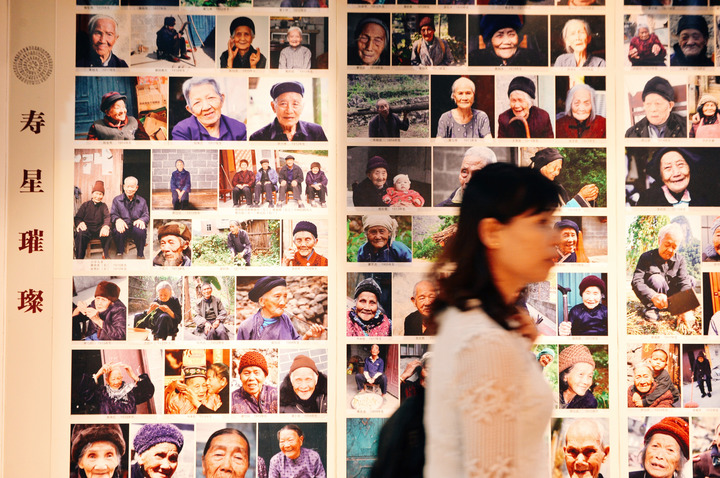
Core Insights - The average life expectancy in China has reached 79 years, an increase of 1.1 years since 2020, with eight provinces surpassing the 80-year mark [1][3] Group 1: Health Indicators - Life expectancy is a comprehensive indicator of a country's economic and social development and healthcare service levels [3] - Since the founding of New China, life expectancy has risen from 35 years to 79 years during the "14th Five-Year Plan" period, reflecting significant advancements in healthcare [3] - Key health indicators such as maternal and infant mortality rates are continuously declining, showcasing the effectiveness of health initiatives [6] Group 2: Healthcare Infrastructure - China has established the world's largest healthcare service system, with 1.09 million medical institutions and 15.78 million healthcare personnel by the end of 2024 [4] - Over 90% of residents can reach the nearest medical service point within 15 minutes, addressing urgent healthcare needs [3][4] Group 3: Preventive Health Measures - The country has the largest disease prevention and control system globally, with health literacy among residents increasing from 23.2% in 2020 to 31.9% in 2024 [4] - The mortality rate from major chronic diseases has been further controlled, and the incidence of infectious diseases like tuberculosis and hepatitis B continues to decline [3][4] Group 4: Health Insurance and Accessibility - A dynamic adjustment mechanism for the medical insurance drug list has allowed 402 new drugs to be added since the beginning of the "14th Five-Year Plan," enhancing accessibility to essential medications [4] - The basic medical insurance coverage rate remains stable at around 95%, providing over 1.3 billion residents with essential health protection [4] Group 5: Health Promotion and Lifestyle - The concept of healthy living is becoming ingrained in society, with over 38.5% of the population regularly participating in physical exercise [6] - The national sports facility area reached 4.23 billion square meters by 2024, promoting a healthier lifestyle among citizens [6]
“十四五”亮点丨人均预期寿命79岁!健康中国建设“成色足”
Xin Hua Wang· 2025-10-22 01:04
Core Insights - The average life expectancy in China has reached 79 years, an increase of 1.1 years since 2020, with eight provinces surpassing the 80-year mark [1][4] - The rise in life expectancy reflects significant advancements in China's healthcare system and overall living standards since the founding of the People's Republic of China [3][4] Healthcare System Development - China has established the world's largest medical service system, with 1.09 million healthcare institutions and 15.78 million healthcare workers by the end of 2024 [4] - Over 90% of residents can access medical services within 15 minutes, addressing urgent healthcare needs effectively [4] Disease Prevention and Health Awareness - The health literacy rate among residents has increased from 23.2% in 2020 to 31.9% in 2024, contributing to better control of chronic diseases and a decline in the incidence of infectious diseases [4][6] - The shift from a disease-centered approach to a health-centered approach has been pivotal in improving public health outcomes [4] Medical Insurance and Accessibility - The dynamic adjustment mechanism for the medical insurance drug list has allowed 402 new drugs to be added since the beginning of the 14th Five-Year Plan, enhancing access to essential medications [4] - The basic medical insurance coverage rate remains stable at around 95%, providing a safety net for over 1.3 billion residents [4] Health Promotion and Sports Participation - The concept of healthy living is gaining traction, with sports facility area reaching 4.23 billion square meters and over 38.5% of the population regularly engaging in physical exercise [6] - The focus on health as a priority development strategy aims to enhance the well-being of over 1.4 billion people in China [6]