
人均预期寿命

Search documents
2025年中国人均预期寿命达79.25岁
财联社· 2026-03-07 03:19
Group 1 - The core viewpoint of the article highlights the progress and initiatives in China's healthcare sector, particularly focusing on grassroots medical institutions and family support programs [1][2][3][4] Group 2 - Grassroots medical institutions in China have achieved a continuous increase in both the number of diagnoses and their proportion, with a target of 52.6% of total national diagnoses by 2025 [2] - As of now, 33 million families have received childcare subsidies, amounting to 3,600 yuan per year for eligible children until the age of three [3] - The average life expectancy in China is projected to reach 79.25 years by 2025, an increase of 1.32 years from 2020, reflecting an annual growth of 0.26 years [4]


国家卫健委主任雷海潮:力争2030年人均预期寿命达80岁
2 1 Shi Ji Jing Ji Bao Dao· 2025-12-01 06:16
Core Viewpoint - The "Understanding China" International Conference highlighted the progress in life expectancy in China, aiming for significant health improvements by 2030 and 2035 [1] Group 1: Life Expectancy - During the 14th Five-Year Plan period, the average annual increase in life expectancy for Chinese residents is over 0.2 years, projected to reach 79 years by 2024, placing China among the leading middle-income countries [1] - The goal is to achieve an average life expectancy of around 80 years by 2030, contributing to the establishment of a healthy China by 2035 [1]
人均预期寿命将超越80岁大关!衰老终点如何改写?
第一财经· 2025-10-26 12:34
Core Viewpoint - The article discusses the increasing life expectancy in China and the associated challenges of an aging population, emphasizing the need for innovative healthcare solutions and technologies to improve the quality of life for the elderly [3][6][12]. Group 1: Life Expectancy and Aging Population - The National Health Commission aims to raise the average life expectancy in China from 79 years in 2024 to around 80 years by 2025 [3]. - As of the end of 2024, the elderly population (aged 60 and above) in China exceeds 310 million, indicating a significant aging trend [3]. - Experts highlight that improving life expectancy requires addressing the mortality rates of major diseases, particularly cardiovascular diseases and cancer [3][6]. Group 2: Cancer Treatment and Management - Cancer is becoming a manageable chronic disease, with advancements in immunotherapy being crucial for addressing the burden of high-incidence cancers like lung and stomach cancer [7]. - The establishment of early screening tools for cancer, particularly liver cancer, has shown promise in improving early diagnosis and treatment outcomes [8][9]. - The five-year survival rate for liver cancer patients at Zhongshan Hospital has reached 71% due to new technologies and proactive follow-up plans [8]. Group 3: Health Management and Technology Integration - Comprehensive health management strategies, including regular check-ups and early intervention for chronic diseases, are essential for increasing life expectancy [12][13]. - AI and wearable medical devices are being integrated into disease prevention and management, allowing for real-time monitoring of patients' health [14][15]. - The World Health Organization emphasizes the importance of expanding hypertension treatment coverage as a cost-effective health measure [14]. Group 4: Regenerative Medicine and Technological Innovations - Regenerative medicine, including stem cell therapy, is gaining attention as a potential solution for age-related health issues and organ repair [17][18]. - The Chinese government has introduced regulations to support the clinical research and application of new biomedical technologies, including stem cells [18]. - Innovations in elder care technology, such as fall detection systems and care robots, are being developed to address the challenges of an aging population [19][20]. Group 5: Challenges in Elderly Care Technology - There is a disconnect between the development of elderly care technologies and the actual needs of the elderly, leading to ineffective products [19]. - Experts call for collaboration between technology developers and elderly care providers to ensure that products meet the real needs of older adults [20].
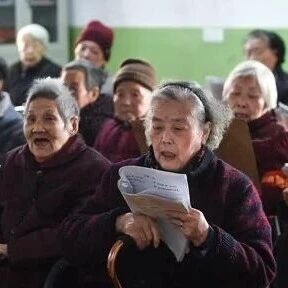
老有所依|人均预期寿命将超越80岁大关!衰老终点如何改写?
Di Yi Cai Jing· 2025-10-26 08:20
Group 1 - The core objective is to increase China's average life expectancy to around 80 years by 2024, focusing on reducing mortality rates from major diseases, particularly cardiovascular diseases and cancer [1][3] - As of the end of 2024, the population aged 60 and above in China is expected to exceed 310 million, indicating a significant aging trend [1] - The development of innovative therapies and the application of new technologies, such as artificial intelligence, are essential to address the needs of the elderly population [1][7] Group 2 - Cancer is becoming a chronic disease, with advancements in medical technology and health levels contributing to increased life expectancy [3][4] - Eight provinces in China have already surpassed an average life expectancy of 80 years, with health indicators ranking among high-income countries [3] - The focus on immune system reconstruction is crucial for combating diseases like cancer, as highlighted by recent Nobel Prize-winning research [3] Group 3 - The burden of diseases such as lung and stomach cancer necessitates breakthroughs in tumor immunotherapy, positioning China as a key player in the precision immunotherapy era [4] - The development of early screening tools for cancer, particularly liver cancer, has shown promise in improving early diagnosis and treatment outcomes [5][8] - The five-year survival rate for liver cancer patients post-surgery has reached 71% due to advancements in treatment and follow-up care [5] Group 4 - AI and big data are being leveraged for disease management, emphasizing the importance of health management practices such as regular check-ups and early intervention for chronic diseases [7][9] - The integration of AI in cardiovascular disease management aims to enhance diagnosis and treatment through comprehensive patient data analysis [9][10] - The World Health Organization emphasizes the cost-effectiveness of expanding hypertension treatment coverage, which can be improved through digital health solutions [10] Group 5 - Regenerative medicine and stem cell research are gaining attention as potential solutions for age-related diseases, with the goal of improving both lifespan and quality of life [11][12] - The recent regulations on biomedical technology provide legal support for the development of cutting-edge medical technologies, including stem cell therapies [12] - The trend towards smart aging solutions is evident, with advanced technologies being integrated into elderly care to alleviate caregiver shortages [13][14]
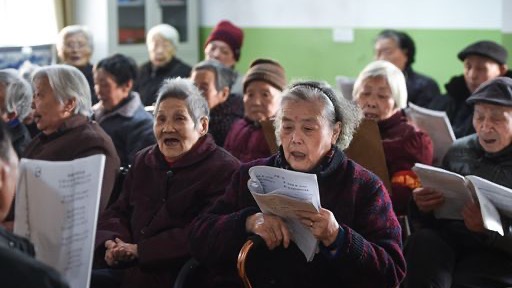
人均预期寿命79岁!健康中国建设“成色足”
Xin Hua Wang· 2025-10-22 03:03
Core Insights - The average life expectancy in China has reached 79 years, an increase of 1.1 years since 2020, with eight provinces surpassing the 80-year mark [1][4] - The continuous rise in life expectancy reflects significant advancements in China's healthcare system and overall living standards since the founding of the People's Republic of China [3][4] Healthcare System Development - China has established the world's largest healthcare service system, with 1.09 million medical institutions and 15.78 million healthcare personnel by the end of 2024 [4] - Over 90% of residents can access medical services within 15 minutes, addressing urgent healthcare needs effectively [4] Disease Prevention and Health Promotion - The health literacy rate among residents has increased from 23.2% in 2020 to 31.9% in 2024, contributing to better control of major chronic diseases and a decline in the incidence of infectious diseases [4][6] - The shift from a disease-centered approach to a health-centered approach has been pivotal in improving public health outcomes [4] Medical Insurance and Accessibility - The dynamic adjustment mechanism for the medical insurance drug list has allowed 402 new drugs to be added since the beginning of the 14th Five-Year Plan, enhancing access to essential medications [4] - The basic medical insurance coverage remains stable at around 95%, providing a safety net for over 1.3 billion residents [4] Health and Fitness Initiatives - The concept of healthy living is gaining traction, with sports facility area reaching 4.23 billion square meters and over 38.5% of the population regularly engaging in physical exercise [6] - The commitment to prioritizing health in development strategies aims to enhance the well-being of over 1.4 billion people in China [6]

新华鲜报·“十四五”亮点丨人均预期寿命79岁!健康中国建设“成色足”
Xin Hua She· 2025-10-22 01:40
Core Insights - The average life expectancy in China has reached 79 years, an increase of 1.1 years since 2020, with eight provinces surpassing the 80-year mark [1][3] - The continuous rise in life expectancy reflects the significant advancements in China's healthcare system and overall living standards [3][4] Healthcare System Development - Since the establishment of New China, life expectancy has increased from 35 years to 79 years, showcasing the leap in healthcare development [3] - By the end of 2024, China will have built the world's largest healthcare service system, with 1.09 million medical institutions and 15.78 million healthcare personnel [3][4] - Over 90% of residents can reach a medical service point within 15 minutes, addressing urgent healthcare needs [3] Disease Prevention and Health Awareness - China has the world's largest disease prevention and control system, with health literacy rising from 23.2% in 2020 to 31.9% in 2024 [3][4] - The mortality rate from major chronic diseases has been further controlled, and the incidence of infectious diseases like tuberculosis and hepatitis B continues to decline [3] Medical Insurance and Accessibility - The dynamic adjustment mechanism for the medical insurance drug list has allowed 402 new drugs to enter the insurance coverage since the start of the 14th Five-Year Plan [4] - The basic medical insurance coverage rate remains stable at around 95%, providing over 1.3 billion residents with essential medical protection [4] Health Promotion and Sports Participation - Key health indicators, including maternal and infant mortality rates, have shown continuous improvement, indicating the effectiveness of health initiatives [6] - By 2024, the total area of sports facilities in China will reach 4.23 billion square meters, with over 38.5% of the population regularly participating in physical exercise [6]
“十四五”亮点丨人均预期寿命79岁!健康中国建设“成色足”
Xin Hua Wang· 2025-10-22 01:04
Core Insights - The average life expectancy in China has reached 79 years, an increase of 1.1 years since 2020, with eight provinces surpassing the 80-year mark [1][4] - The rise in life expectancy reflects significant advancements in China's healthcare system and overall living standards since the founding of the People's Republic of China [3][4] Healthcare System Development - China has established the world's largest medical service system, with 1.09 million healthcare institutions and 15.78 million healthcare workers by the end of 2024 [4] - Over 90% of residents can access medical services within 15 minutes, addressing urgent healthcare needs effectively [4] Disease Prevention and Health Awareness - The health literacy rate among residents has increased from 23.2% in 2020 to 31.9% in 2024, contributing to better control of chronic diseases and a decline in the incidence of infectious diseases [4][6] - The shift from a disease-centered approach to a health-centered approach has been pivotal in improving public health outcomes [4] Medical Insurance and Accessibility - The dynamic adjustment mechanism for the medical insurance drug list has allowed 402 new drugs to be added since the beginning of the 14th Five-Year Plan, enhancing access to essential medications [4] - The basic medical insurance coverage rate remains stable at around 95%, providing a safety net for over 1.3 billion residents [4] Health Promotion and Sports Participation - The concept of healthy living is gaining traction, with sports facility area reaching 4.23 billion square meters and over 38.5% of the population regularly engaging in physical exercise [6] - The focus on health as a priority development strategy aims to enhance the well-being of over 1.4 billion people in China [6]
国家卫健委:2024年我国人均预期寿命达到79岁,比2020年提高1.1岁,孕产妇死亡率、婴儿死亡率持续改善
Ge Long Hui· 2025-09-11 02:48
Core Points - The National Health Commission of China announced achievements in health and wellness during the "14th Five-Year Plan" period, highlighting improvements in life expectancy and maternal and infant mortality rates [1] Group 1 - By 2024, China's per capita life expectancy is projected to reach 79 years, an increase of 1.1 years compared to 2020 [1] - The maternal mortality rate and infant mortality rate have shown continuous improvement during this period [1]
国家卫健委:2024年我国人均预期寿命达到79岁
Yang Shi Xin Wen· 2025-09-11 02:20
Core Insights - The press conference highlighted the achievements in health and wellness during the "14th Five-Year Plan" period, emphasizing the focus on high-quality completion of the plan [1] Health Development Achievements - By 2024, the average life expectancy in China is projected to reach 79 years, an increase of 1.1 years compared to 2020 [1] - Continuous improvement in maternal mortality rate and infant mortality rate was reported, indicating advancements in healthcare quality [1]
一银行行长任职资格获批;英皇欠下166亿港元巨债;一项手术被叫停;部分航线登机只需提前15分钟
Jin Rong Jie· 2025-07-09 23:55
Group 1 - Emperor International has incurred a significant debt of HKD 16.6 billion, with loans now overdue [1] - The company reported a substantial loss exceeding HKD 4 billion last year [1] - Emperor International operates across multiple sectors including entertainment, real estate, jewelry, finance, and hospitality, with seven listed companies on the Hong Kong Stock Exchange [1] Group 2 - China's average economic growth rate from 2021 to 2024 is projected to reach 5.5% [2] - The National Development and Reform Commission anticipates that China's economic increment over five years will exceed CNY 35 trillion, contributing around 30% to global economic growth annually [2] - In June, the Consumer Price Index (CPI) rose by 0.1% year-on-year, reversing a previous decline [2] Group 3 - The Chinese automotive market saw retail sales of 10.9 million passenger vehicles in the first half of the year, marking a year-on-year increase of 10.8% [4] - New energy vehicles accounted for 5.468 million units sold, driving significant growth in the market [4] Group 4 - The National Development Bank signed a CNY 2.1 billion loan agreement with the Southern African Development Bank to support infrastructure and other projects in Africa [6] - Several banks have reduced their operating loan interest rates to 3% or below, focusing on small and micro enterprises [7]