
价值创造体系

Search documents
稳居全球第一,美的空调再度登顶
财联社· 2026-02-12 06:08
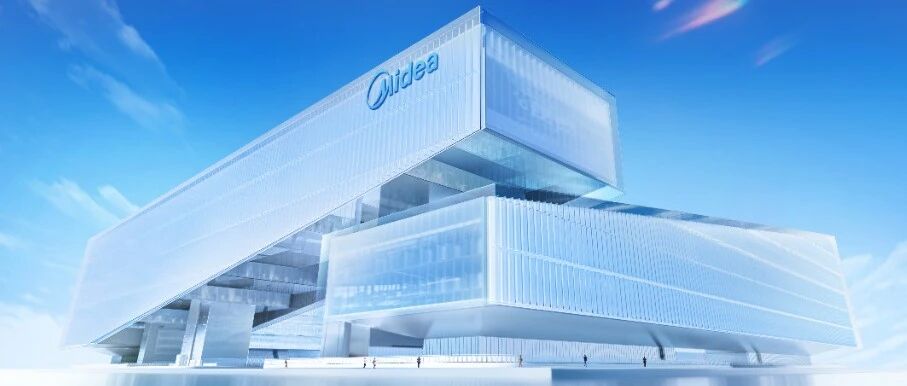
根据国际权威市场调研机构欧睿国际最新发布的《2026年消费电器》报告数据,美的空调 2025年再度登顶全球第一。早在2024年全球空调销量达2.6亿台套时,美的就以7183万台套 的销量、27.5%的市场份额登顶全球第一,实现全球每4台空调就有1台是美的制造。 破局2025:以科技为矛广布全球 2025年,空调行业面临多重因素的复杂塑造,其发展路径在政策刺激与存量消耗的作用下呈 现波动态势。身处市场竞争与转型的关键节点,行业增长的主引擎正逐步切换至以技术创新、 产品智能进阶为核心的价值创造体系。新的变量已然出现:气候异常变化与居住空间升级催生 结构性需求,AI技术赋能与原材料成本压力则倒逼全产业链加速进化。 家用空调事业部作为美的集团旗下集研发、生产、销售、设计、安装、售后服务于一体的经营 单位,以新品矩阵发布、系列政策加码等方式掌握市场主动权,凭借全年的凌厉攻势进一步巩 固了其销量领军地位。 产品出圈:高端化与细分场景多点开花 依托扎实的技术储备与规模化的产能实力,美的空调持续通过多元产品矩阵引领行业创新,先 后推出了酷省电、无风感、全面风、空气机等产品系列,以及双出风和领航者中央空调等行业 创新的新品系列 ...


为何爆红的新商业,大多都具有显著的“公共设施”特征?
3 6 Ke· 2025-05-30 02:08
Group 1: Evolution of Shopping Centers - Shopping centers are transitioning from mere transaction venues to multifunctional public spaces that emphasize social interactions and community engagement [1][6] - The shift reflects profound changes in market conditions, social structures, and consumer psychology, moving away from traditional reliance on product transactions [1][2] Group 2: Challenges in Business Innovation - The traditional core drivers of business are failing, as the era of innovative business models has reached a saturation point, making it difficult to generate disruptive new formats [2] - Consumer fatigue towards novelty has emerged, with over 70% of themed scenarios entering a decline phase within a year, indicating a lack of sustainable customer engagement [3] Group 3: Changing Consumer Values - The Z generation prioritizes value recognition over material functionality, leading to a shift in consumption behavior towards spiritual resonance and value alignment [4][5] - Consumers are increasingly evaluating commercial spaces based on low-carbon initiatives, cultural inclusivity, and social relevance, transforming shopping centers into platforms for social discourse [5] Group 4: Redefining Social Functions - Traditional shopping centers are evolving into social and cultural hubs, integrating community services and cultural exhibitions to foster emotional connections among urban residents [6][7] - This transformation addresses the paradox of modern society, where the demand for physical social interactions grows despite the prevalence of virtual connections [6] Group 5: Conclusion on Public Space Transformation - The publicization of commercial facilities is a response to urban pressures and the scarcity of public spaces, positioning shopping centers as emotional anchors within communities [7] - The core value of commerce is shifting from mere content richness to providing meaningful experiences that foster companionship and a sense of belonging [7]