
空调

Search documents
在AWE 2026现场,奥克斯如何让空调进化为智能「空气管家」?
36氪· 2026-03-20 13:35
Core Viewpoint - The article emphasizes the transformation of the air conditioning industry from passive temperature control to proactive air management through AI technology, with AUX leading this shift by introducing its new intelligent air conditioning strategy [3][10][12]. Group 1: Industry Trends and Innovations - The AWE 2026 showcased various smart home appliances, highlighting the trend towards integrated and intelligent home environments, with AUX's new air conditioning strategy at the forefront [3]. - AUX's new intelligent strategy aims to redefine air conditioning standards by focusing on proactive air management rather than just temperature control, addressing evolving consumer needs for air quality and comfort [9][10]. - The introduction of the "Air Butler" series, featuring seven core AI capabilities, marks a significant evolution in air conditioning, allowing for comprehensive air management solutions [12][14]. Group 2: Product Features and User Experience - The Air Butler i9 model utilizes self-developed AI algorithms to automatically adjust temperature, humidity, and air quality based on real-time environmental data, enhancing user experience [14]. - AUX's AI technology allows for personalized air management, adapting to different scenarios such as gatherings or movie watching, thus improving comfort and convenience [14][15]. - The voice control feature of the Air Butler i9 supports multiple dialects and commands, making it user-friendly and aligning with the natural language habits of Chinese families [15]. Group 3: Quality Assurance and Service Commitment - AUX has established a ten-year warranty policy for its air conditioning products, reflecting a commitment to long-term customer relationships and service quality [19][22]. - The company has developed a comprehensive service network with over 5,000 service points and 80,000 certified engineers, ensuring reliable support for customers [22]. - AUX's strategic partnership with Panasonic for compressor production enhances its control over product quality and performance, reinforcing its commitment to high standards [23]. Group 4: Market Position and Performance - AUX has been recognized as the leading brand in AI smart air conditioning sales in China and is projected to maintain global leadership in smart air conditioning sales for 2024-2025 [5][25]. - The company has consistently ranked among the top three in global sales of household split air conditioners from 2018 to 2024, demonstrating its strong market presence [25]. - AUX's focus on quality and innovation has allowed it to navigate market cycles successfully, establishing a long-term competitive advantage in the air conditioning industry [27].

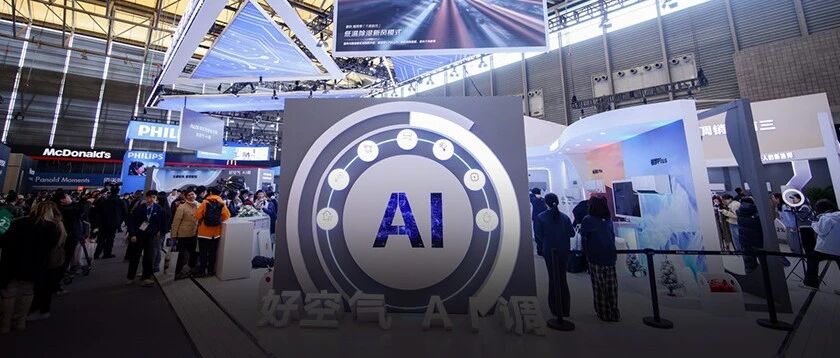
在AWE 2026现场,奥克斯如何让空调进化为「空气管家」?
36氪· 2026-03-18 13:35
Core Viewpoint - The article discusses how AI technology is transforming the air conditioning industry, with a focus on the innovative features of the AUX air conditioner showcased at AWE 2026, emphasizing the shift from passive temperature control to proactive air management [1][4][7]. Group 1: AI and Smart Air Conditioning - AUX aims to redefine the standard of "smart" air conditioning by integrating AI that understands the environment and user needs, moving beyond traditional definitions of smart appliances [3][4]. - The introduction of AI allows air conditioners to transition from passive temperature control to active air management, enhancing user comfort by addressing air quality, humidity, and noise levels [6][7]. - The AUX Air Manager i9 exemplifies this shift, utilizing AI algorithms and smart sensing technology to provide a comprehensive air management solution that adapts to user habits and environmental changes [8][10]. Group 2: User Experience and Interaction - The AUX Air Manager i9 offers seven dimensions of intelligent control, combining functionalities of multiple devices into one, thus enhancing user convenience [11]. - AI personalizes air management by learning user habits and adjusting settings based on different scenarios, such as gatherings or movie watching, to optimize comfort [12]. - The introduction of voice control allows users to interact with the air conditioner naturally, freeing them from manual adjustments and enhancing the overall user experience [13]. Group 3: Service and Trust - Service is crucial in the air conditioning industry due to the long-term relationship between the product and the consumer, with AUX committing to a ten-year warranty to build trust [15][16]. - AUX's service model includes annual maintenance and a nationwide service network, ensuring reliable support for users [18]. - The introduction of a "60-day no-reason return" policy for energy-efficient air conditioners aims to enhance consumer confidence in product performance [18]. Group 4: Quality and Innovation - AUX's commitment to quality is reflected in its manufacturing capabilities and control over key components, such as compressors, which are essential for product reliability [19]. - The company has established a robust quality assurance system through smart manufacturing and real-world testing in diverse environments [19]. - AUX's focus on both quality and innovation has positioned it as a leader in the air conditioning market, achieving significant sales milestones and industry recognition [24][26].
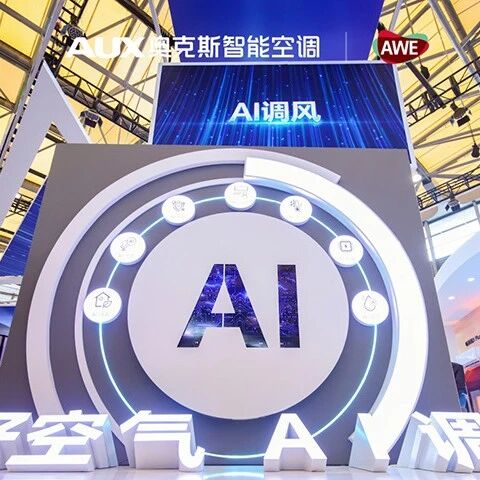
今年三月空调业压货变难了,AI空调普及还需要时间
第一财经· 2026-03-18 10:27
Core Viewpoint - The air conditioning market is facing challenges due to rising costs and a slowdown in growth, leading retailers to be cautious about inventory levels ahead of the peak season. AI air conditioners are seen as a potential growth point, but market cultivation will take time [3]. Retailers' Inventory Caution - Retailers are hesitant to stock up on air conditioners this year due to rising copper prices and concerns over market sales and price fluctuations. The retail market for split air conditioners is expected to decline by 6.9% to 219.5 billion yuan in 2026, with the average retail price dropping to 3,099 yuan [5][6]. - Gree Electric plans to allocate about 5% of its funds for offline channel support based on 2025 sales, while other companies like Midea, Haier, and TCL are promoting more energy-efficient AI air conditioners to stimulate the market [6][7]. - Retailers report slight price increases for certain models, but overall inventory levels are lower than last year due to market pressures [6][7]. AI Air Conditioners' Market Development - AI air conditioners are viewed as a new selling point and profit growth area, but they are typically 15%-20% more expensive than standard models, resulting in a limited current market share [6][8]. - Analysts predict that the air conditioning market will see diverse brand strategies, ongoing price competition, and potential growth in high-end AI products, with new brands entering the market [9][10]. Competitive Landscape - The competition in the air conditioning industry is shifting from price wars to multidimensional competition, with major brands focusing on high-end technology and smaller brands targeting cost-effective markets [10][11]. - The impact of rising raw material prices is significant, with costs expected to increase by 5%-10%. Leading brands can leverage premium pricing strategies, while smaller brands may face profitability challenges [10][11]. Market Structure and Trends - The overall structure of the domestic air conditioning market remains stable, with only minor adjustments in rankings and market shares. New brands bring innovation but do not significantly alter the market dynamics [11]. - The market is entering a phase of saturation or decline, leading distributors to adopt a cautious approach in product selection, making it difficult for manufacturers to stock up [11].
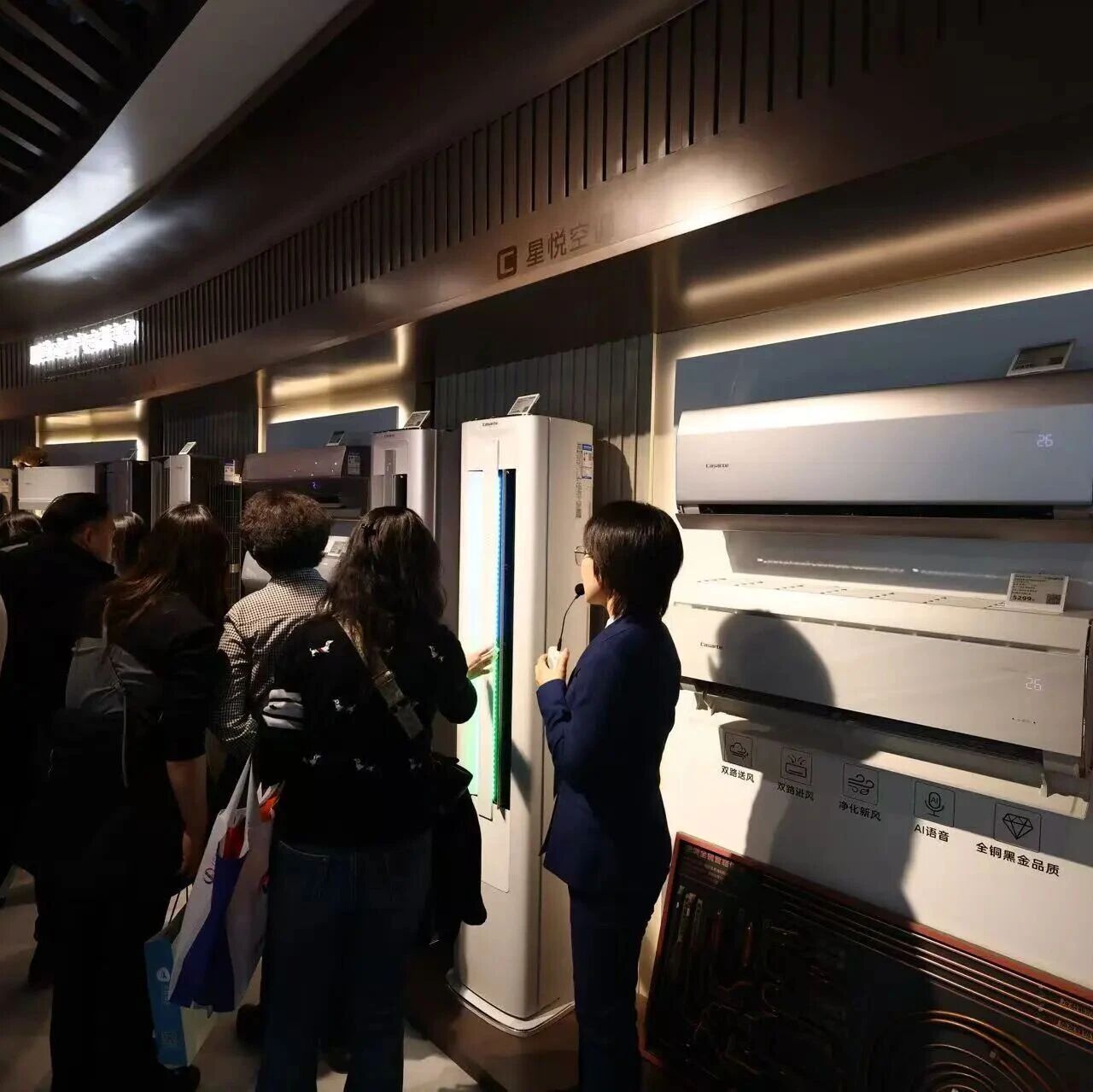
2026年第9周:数码家电行业周度市场观察
艾瑞咨询· 2026-03-15 00:07
Industry Environment - The rise of embodied intelligence has become a new focus in the industry, driven by advancements in ChatGPT and VLA models, with robots as key carriers for AI implementation. The financing scale in this sector reached 735.43 billion yuan in 2026, despite facing technical bottlenecks and commercialization challenges [3][4]. - The space photovoltaic sector is transitioning from concept to commercialization, with a market size expected to reach trillions. Companies like SpaceX are planning to deploy thousands of low-orbit satellites, while domestic firms are also advancing their satellite constellation plans [5]. - Major tech companies are accelerating the integration of AI models into hardware devices, such as smart glasses and headphones, creating a new battlefield for human-computer interaction. The global AI glasses shipment is expected to exceed 10 million units by 2026, with China becoming the second-largest market [6]. - The AI education sector is becoming a competitive focus for major internet companies, with a monthly active user base exceeding 120 million. The market is divided into tech-driven, education training, and small entrepreneurial companies [7][8]. - The air conditioning industry is experiencing a collective price increase of 3%-10% due to rising copper prices and tightening energy efficiency subsidy policies, marking a shift from price wars to value competition [9]. Key Brand Dynamics - ByteDance launched Seedream 5.0 and Seedance 2.0, focusing on practical value and optimizing performance for commercial applications, targeting fields like science and programming [20]. - In 2026, Yin Qi aims to focus on "AI + terminal" strategies, emphasizing the development of foundational models and smart driving technology, while avoiding direct competition with major players [21][22]. - The photovoltaic sector saw a surge in stock prices following Elon Musk's comments on space photovoltaics, although the commercialization of this technology still faces challenges [23]. - ByteDance's Seedance 2.0 contrasts with OpenAI's Sora, focusing on content consumption logic and lowering creation barriers, while raising ethical concerns regarding privacy and data usage [24]. - The company "Wujie Power" completed over 200 million yuan in financing to develop general-purpose intelligent robots, focusing on the iteration of their "general brain" technology [25].

空调架构革命:谁在重写行业技术规则?
36氪· 2026-03-13 13:35
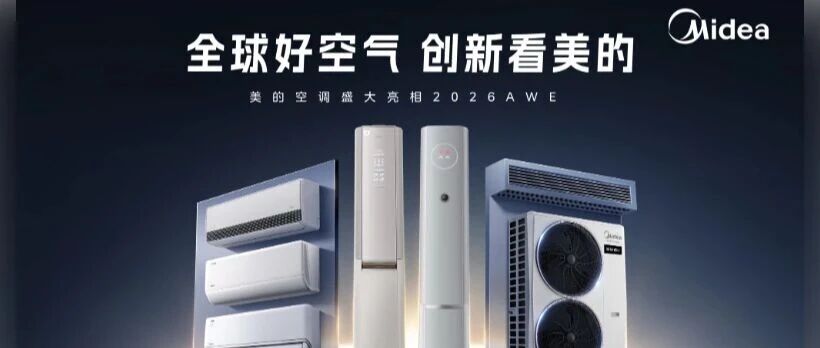
Core Viewpoint - Companies that master core technologies often have the ability to rewrite industry rules [1] Group 1: Industry Transformation - In the smartphone industry, Apple established a high-end market competitive landscape through self-developed chips and operating systems, creating a massive "Apple supply chain" effect [2] - Tesla, as a pioneer in software-defined vehicles, has redefined the technological logic of the century-old automotive industry through centralized electronic architecture and vehicle software capabilities [2] - The traditional air conditioning industry has primarily focused on temperature control innovations, but as climate issues become more pressing, the limitations of single-function temperature control are becoming apparent [2][7] Group 2: Need for Technological Leap - The air conditioning industry urgently requires a technological paradigm shift, with Midea Air Conditioning leading the way by introducing the "Wonders Air Architecture" at the 2026 AWE exhibition [5] - The evolution of air conditioning technology reflects a growing understanding of air management, transitioning from a functional era focused solely on temperature control to a platform era that integrates multiple functions [7] Group 3: Architectural Innovation - Effective solutions in air conditioning should not just add more devices but should unify temperature, humidity, air quality, and airflow management into a systematic approach [8] - Architectural innovation represents a technological watershed for the air conditioning industry, allowing for centralized control and collaboration among various modules, enhancing adaptability to environmental conditions and user needs [10] Group 4: Midea's Leadership - Midea's "Wonders Air Architecture" is a groundbreaking development in the air conditioning industry, enabling a new era of architectural solutions that redefine air management [11] - The architecture consists of three core modules: the air conditioning module for environmental regulation, the air module for air quality management, and the AI module for intelligent control [15] - Midea's air conditioning products, such as the T6, exemplify this new approach by integrating multiple air management capabilities into a single system [19] Group 5: Industry Context and Competitive Edge - Midea's collaboration with Huawei to integrate the HarmonyOS into its air conditioning products signifies a shift from mere temperature regulation to becoming a comprehensive "air management" system [20] - The open technical interfaces of Midea's architecture allow for continuous evolution and integration of new devices and smart ecosystems, expanding the boundaries of air management capabilities [22] - Midea's ability to define industry direction stems from its accumulated industrial capabilities, making it a leader in the global air conditioning market, with a production capacity that accounts for approximately 85% of the world's total [24][28]

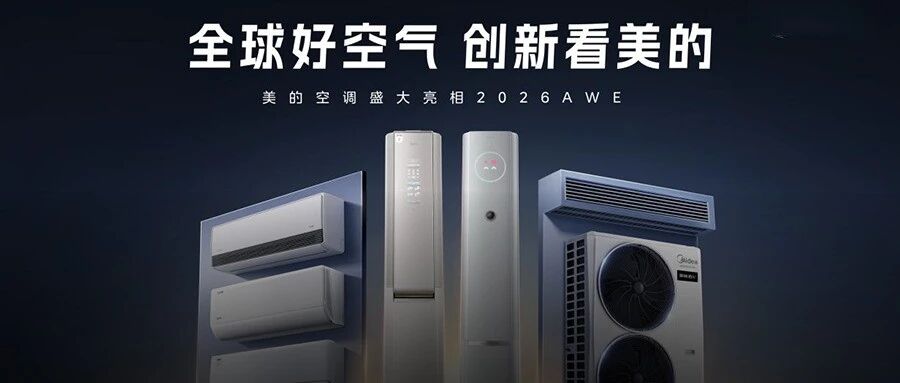
空调行业的底牌,早就被换掉了
虎嗅APP· 2026-03-13 13:25
Core Viewpoint - The article emphasizes the transformative impact of AI technology on the air conditioning industry, highlighting a shift from traditional cooling solutions to integrated systems that manage air quality and comfort more effectively [2][40]. Group 1: Industry Changes - The AWE2026 showcased a significant shift in the air conditioning sector, with Chinese brands like Midea gaining prominence over traditional Japanese brands, which have historically dominated the market [3][30]. - Midea's innovative product, the "Air Machine," represents a new direction for the air conditioning industry, moving beyond merely improving existing technologies to redefining the entire air conditioning experience [5][34]. - The air conditioning industry has been characterized by a lack of innovation, with products focusing on incremental improvements rather than addressing broader user needs [6][7]. Group 2: Evolution of Air Conditioning - The evolution of air conditioning can be categorized into three eras: the functional machine era, the platform machine era, and the current shift towards an integrated system that collaborates across functions [8][9]. - Traditional air conditioning units have been limited to executing specific functions without the ability to adapt or learn from user behavior, leading to a disjointed user experience [8][17]. - The introduction of Midea's "Universal Air Architecture" signifies a move towards a more intelligent system that can proactively manage air quality and comfort, akin to a conductor coordinating an orchestra [11][21]. Group 3: Technological Advancements - Midea's air conditioning system incorporates advanced features such as real-time monitoring of air quality, humidity control, and the ability to learn user preferences, marking a significant leap in technology [22][23]. - The system's AI capabilities allow it to integrate with other smart home devices, creating a cohesive ecosystem that enhances user experience and convenience [25][34]. - The shift from focusing solely on compressor efficiency to a broader understanding of air management reflects a fundamental change in competitive dynamics within the industry [31][32]. Group 4: Market Implications - The success of Midea's air machine, with sales reaching 1.2 million units, indicates a strong consumer preference for enhanced user experiences over mere technical specifications [26][28]. - The article suggests that the air conditioning market is entering a new phase of "architecture competition," where the ability to create integrated systems will define future leaders in the industry [33][34]. - As Chinese brands continue to innovate and redefine air conditioning technology, they are positioned to lead the global market, leveraging extensive user data and diverse environmental conditions [34][36].

在AWE现场看“空调国家队”,美的凭什么反超日系登顶中央空调销冠?
经济观察报· 2026-03-13 11:20
Core Viewpoint - Midea Air Conditioning has become the market leader in China's central air conditioning sector, achieving the highest sales volume and maintaining the top global sales position for two consecutive years, with a projected global market share of 27.5% in 2024, meaning one in every four air conditioners sold worldwide is from Midea [1][7]. Group 1: Market Position and Trends - Midea Air Conditioning is recognized as the number one in sales volume in the Chinese central air conditioning market according to data from Aowei Cloud Network [1][7]. - The global sales data from Euromonitor International indicates that Midea has held the top position for two consecutive years, with a forecasted market share of 27.5% in 2024 [1][7]. - The traditional high-end market for central air conditioning has been dominated by Japanese brands for the past thirty years, but this trend is changing as Midea gains market share [5][6][44]. Group 2: Product Innovation and Technology - The Midea Navigator 4th generation central air conditioning system has gained significant attention at the AWE exhibition, being featured in four different exhibition areas, indicating its high visibility and importance [3][4]. - The Navigator 4th generation is positioned as a representative product targeting the high-end market, showcasing Midea's commitment to innovation [4][36]. - Midea's "Comfort Golden Triangle" concept integrates three key technologies: ultra-low frequency steady-state technology, continuous jet enhancement technology, and dual outlet indoor units, which collectively enhance user comfort and energy efficiency [10][30][24]. Group 3: Consumer Preferences and Market Dynamics - A study by Zhihu Research Institute shows that 73.2% of users prioritize "silent operation without interference" as a key comfort standard, while 57.9% focus on precise temperature control and 54.8% on energy-saving performance [32][34]. - The shift in consumer preferences indicates a move away from brand loyalty towards a focus on product performance and comfort features, as Midea's technologies align with user demands [50][51]. - The competitive landscape is evolving, with Midea's innovations challenging the long-standing dominance of Japanese brands, particularly in terms of technology and pricing [46][49].
成材:缺乏自身驱动跟随原料波动
Hua Bao Qi Huo· 2026-03-12 03:44
Group 1 - Report's industry investment rating: Oscillatory operation [3] Group 2 - The report's core view: The finished products lack their own drivers and mainly fluctuate following the raw material end. The price is mainly consolidating. Driven by raw materials such as iron ore, the price center has shifted upward. After the domestic meeting, the output of some steel mills in the northern region may continue to rise. The current focus of steel is on the start - up of downstream demand [1][2] Group 3 - Automobile sales data: In February, China's automobile sales were 1.805 million, a year - on - year decrease of 15.2%. New energy vehicle sales were 765,000, a year - on - year decrease of 14.2%. In February, automobile exports were 672,000, a year - on - year increase of 52.4% [2] - Project start - up data: In February 2026, 1,062 projects started across the country, with a total investment of about 514.583 billion yuan [2] - Home air - conditioner export situation: Since the continuous escalation of the Middle East conflict, the export production schedule of home air - conditioners has been significantly reduced compared with the previous plan. Overseas customers have cancelled or postponed orders due to freight increases or war surcharges by shipping companies. It is expected to be reduced by more than 500,000 units in March [2] - Later concerns: Macroeconomic policies; downstream demand [3]
产业亮点之六:如何看空调铝代铜降本空间及普及节奏?
Changjiang Securities· 2026-03-11 14:45
Investment Rating - The industry investment rating is "Positive" and maintained [9] Core Insights - The report highlights the increasing attention on aluminum replacing copper in air conditioning systems due to the widening price gap between copper and aluminum, as well as policy and industry guidance [4][7] - The theoretical cost savings from using aluminum heat exchangers in air conditioning units can be significant, with potential savings of approximately 105.4 yuan per unit for heat exchangers alone, and up to 511.8 yuan if aluminum replaces all copper components [5][27] - The report emphasizes the need for further optimization of aluminum's physical properties and the importance of consumer acceptance and installation services for the widespread adoption of aluminum-based air conditioners in the competitive domestic market [6][41] Summary by Sections Why Focus on Aluminum Replacing Copper? - Since 2025, multiple factors such as Federal Reserve interest rate cuts and tariff adjustments have led to a rising trend in copper prices, with the copper-to-aluminum price ratio reaching 4.1, indicating aluminum's cost advantage [4][16] - The Chinese government has issued policies promoting aluminum consumption, specifically targeting the air conditioning sector [19] Theoretical Cost Reduction Potential of Aluminum Replacing Copper - In air conditioning units, copper and aluminum account for 17% and 13% of the total weight, respectively, making them sensitive to price changes [22] - The report estimates that if aluminum replaces 50%, 75%, or 100% of copper components, the theoretical cost savings could reach 255.9, 383.8, and 511.8 yuan per unit, respectively [27] Feasibility of Aluminum Replacing Copper in the Domestic Market - Globally, markets like Japan and South Korea have seen significant adoption of aluminum heat exchangers, with domestic brands like Midea and Haier also making strides in this area [28][32] - However, the adoption of aluminum in China is slow due to material property limitations and consumer trust in traditional copper units [40] Investment Recommendations - The report suggests focusing on leading white goods manufacturers that have cost advantages and integrated supply chains, specifically recommending Midea Group, Haier Smart Home, and Gree Electric Appliances [41]


数码家电行业周度市场观察-20260308
Ai Rui Zi Xun· 2026-03-08 06:34
Investment Rating - The report does not explicitly provide an investment rating for the industry Core Insights - The digital home appliance industry is experiencing significant trends driven by advancements in AI and robotics, with a focus on commercialization and market adaptation [2][4][11] Industry Environment - The rise of embodied intelligence, propelled by models like ChatGPT, has made robots a focal point for AI application, with a financing scale reaching 735.43 billion yuan in 2026. However, challenges in technology and commercialization persist [2] - The space photovoltaic sector is transitioning from concept to commercialization, with a market size projected to reach trillions. Companies like SpaceX are leading the deployment of low-orbit satellites, while domestic firms are also advancing in this area [2] - Major tech companies are racing to integrate AI models into hardware, such as smart glasses, creating a new battleground for human-computer interaction. The global market for AI glasses is expected to exceed 10 million units by 2026 [4] - The AI education sector is becoming a competitive focus for major internet companies, with a monthly active user base exceeding 120 million. The market is divided into technology-driven and traditional education companies [4] - The air conditioning industry is witnessing a collective price increase of 3%-10% due to rising copper prices and tightening energy efficiency subsidy policies, marking a shift towards value competition [5] - The AI hardware landscape is diversifying into two paths: "pen" devices focusing on natural interaction and "screen" devices integrating AI into traditional platforms [6] - AI glasses are targeting the 2 billion global eyeglass-wearing population, with a projected shipment of 2.75 million units in China by 2025, despite challenges in comfort and battery life [8] - The AI pet market is projected to reach 3.866 billion yuan by 2025, addressing loneliness among urban dwellers, but faces challenges in maintaining user engagement [9] - The cleaning appliance sector is exploring commercialization of embodied intelligence, with significant growth in sales and technological advancements [10] - The year 2026 is anticipated to be a pivotal year for AI, marking a shift from tool assistance to autonomous entities, with significant implications for the tech industry [11] Top Brand News - ByteDance has launched the Seed2.0 language model, focusing on practical applications and aiming to transform AI into a productivity tool [14] - The company "Wujie Power" has completed over 200 million yuan in financing to develop general-purpose intelligent robots, emphasizing technological breakthroughs [18] - Amazon is shifting towards self-developed AI, citing data security concerns, which raises questions about efficiency and innovation balance [21]