价值突围

Search documents
3万店叩关全民咖啡时代,瑞幸的本土生长启示录
新浪财经· 2026-02-11 11:07
Core Viewpoint - Luckin Coffee has successfully transformed the coffee consumption landscape in China, achieving a milestone of 30,000 stores by focusing on accessibility, affordability, and quality, thus redefining coffee as a daily necessity rather than a luxury item [2][4][40]. Group 1: Market Context - Before Luckin's emergence, the Chinese coffee market was perceived as elitist, with a significant barrier between high-end brands and ordinary consumers [5][6]. - The market was dominated by international brands that maintained high prices and limited access for new entrants, creating an uneven playing field [6][7]. - Luckin Coffee's entry disrupted this status quo, challenging the established norms and offering a new approach to coffee consumption [8][9]. Group 2: Business Model and Strategy - Luckin's strategy focuses on scale, affordability, and a robust supply chain, allowing it to penetrate the market effectively [11][12]. - The company emphasizes convenience with a network of stores designed to be easily accessible, integrating coffee into daily life across various locations [11][12]. - By offering coffee at a price point of 9.9 yuan, Luckin has effectively lowered the barrier for consumers, making quality coffee accessible to a broader audience [15][16][19]. Group 3: Quality and Supply Chain - Luckin maintains high quality by directly sourcing coffee beans from global production areas, ensuring control over the supply chain and product quality [20][31]. - The company has established partnerships with key coffee-producing countries, such as Brazil and Colombia, to secure high-quality beans and maintain consistent supply [31][32]. - The integration of a digital supply chain enhances operational efficiency, allowing for real-time monitoring and optimization of processes from bean roasting to store delivery [35][36]. Group 4: Consumer Engagement - Luckin understands the emotional needs of young consumers, positioning coffee as a comforting and accessible beverage rather than a status symbol [12][14][24]. - The brand's marketing strategy focuses on relatable messaging, making coffee a part of everyday life rather than an exclusive experience [14][24]. - By prioritizing value over price, Luckin has cultivated a loyal customer base that appreciates quality without the burden of high costs [19][24]. Group 5: Future Outlook - With its extensive network and innovative supply chain, Luckin is poised to expand beyond China, aiming to establish itself as a global coffee brand [36][41]. - The company's success serves as a model for local brands, demonstrating that understanding consumer needs and maintaining quality can lead to significant market breakthroughs [40][41]. - Luckin's journey reflects a broader trend of local brands redefining industries through innovation and deep market understanding [42].



3万店叩关全民咖啡时代,瑞幸的本土生长启示录
Feng Huang Wang Cai Jing· 2026-02-10 12:48
Core Insights - Luckin Coffee has opened its 30,000th store, marking a significant milestone in China's coffee industry and reflecting its growth trajectory over eight years [1][3][24] - The brand has transformed coffee consumption in China from a niche luxury to an everyday necessity, breaking down barriers between coffee and the average consumer [3][7][26] Group 1: Market Transformation - Before Luckin, the coffee market in China was perceived as elitist, with high prices and limited accessibility for the average consumer [3][4] - Luckin's strategy focused on affordability and convenience, positioning itself as a brand that meets the everyday needs of consumers rather than as a luxury item [7][10] - The brand's rapid expansion has created a dense network of coffee outlets, making coffee easily accessible across various urban settings [7][10] Group 2: Pricing Strategy - The introduction of a 9.9 yuan price point for coffee has disrupted the traditional pricing structure in the industry, challenging perceptions of quality associated with low prices [9][11] - Luckin emphasizes that its low prices do not compromise quality, as it maintains high standards in sourcing and production [11][13] - The brand's approach is to create value through efficiency and a strong supply chain, rather than engaging in price wars [11][13] Group 3: Supply Chain and Digitalization - Luckin's extensive supply chain is a key competitive advantage, allowing it to maintain quality and manage costs effectively [14][20] - The company has established deep partnerships with coffee-producing countries, ensuring a stable supply of high-quality beans [20][21] - A digital supply chain system enhances operational efficiency, allowing for real-time monitoring and optimization across its 30,000 stores [23][24] Group 4: Brand Philosophy and Future Outlook - Luckin's philosophy centers on understanding consumer needs and providing a product that fits seamlessly into daily life, rather than being a status symbol [10][13] - The brand's success serves as a lesson for local companies, highlighting the importance of long-term commitment, quality, and innovation in achieving market breakthroughs [26] - Luckin is expanding its presence internationally, aiming to establish itself as a global coffee brand while continuing to innovate in the domestic market [23][24]

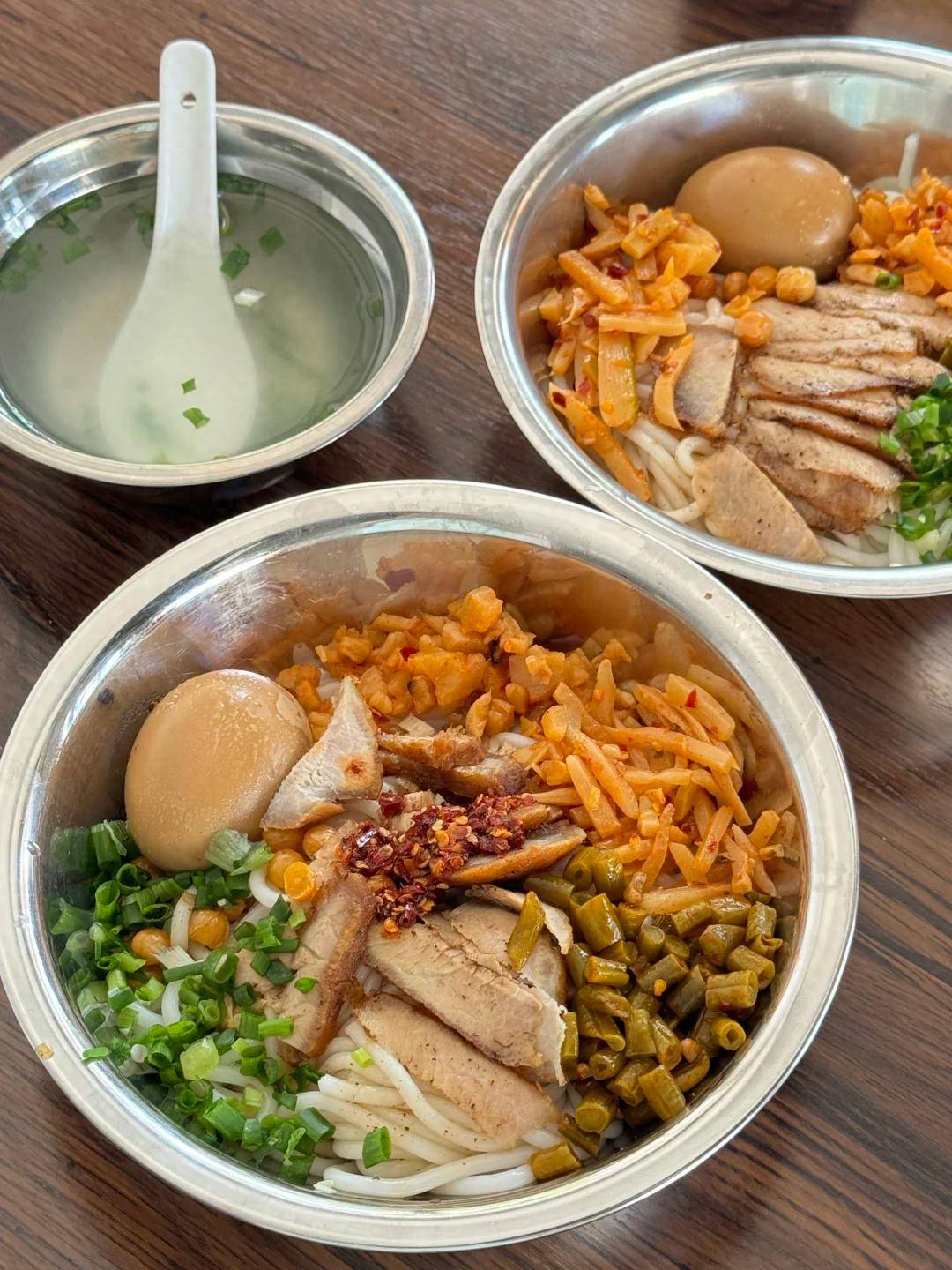
桂林担子米粉丨遇到同行搞价格战,聪明的餐饮老板一招致胜!
Sou Hu Cai Jing· 2025-09-15 10:59
Core Insights - The article emphasizes that in the competitive restaurant industry, the focus should shift from price competition to value differentiation, as customers prioritize perceived value over low prices [1][8]. Group 1: Value Reconstruction Strategies - The first strategy is upgrading dish value, breaking the cycle of "lower price equals lower quality." For instance, a hotpot restaurant in Chengdu increased the quality of beef while maintaining a higher price point, resulting in a 20% increase in average spending and a rise in repurchase rate from 35% to 58% [3]. - The second strategy involves deepening service value by transforming standardization into personalization. A community noodle shop in Hangzhou implemented a "memory menu" to cater to individual customer preferences, leading to a higher average spending despite a slight price increase [5]. - The third strategy focuses on expanding scene value, turning restaurants into spaces with stories rather than just places to eat. A Shaanxi cuisine restaurant in Xi'an incorporated local cultural elements, creating a unique dining experience that attracted customers even without price discounts [7]. Group 2: Market Positioning - The competition in the restaurant industry ultimately hinges on who can deliver higher value to customers, rather than who can offer lower prices. Smart restaurant owners have already established "irreplaceable" core competitiveness through dish upgrades, service enhancements, and scene expansions [8].