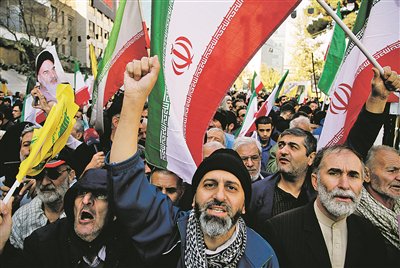
伊朗弹道导弹问题

Search documents
美媒:若美伊谈判失败 特朗普支持以色列空袭伊朗弹道导弹设施
Xin Lang Cai Jing· 2026-02-15 23:23
Group 1 - The core viewpoint of the articles highlights the potential military support from the U.S. to Israel regarding airstrikes on Iranian missile facilities if diplomatic negotiations fail [1] - U.S. military and intelligence officials are reportedly discussing how to assist Israel in conducting airstrikes, including aerial refueling and securing overflight permissions from other countries [1] - Concerns are raised about Iran's missile capabilities, with analysts noting that Iran possesses medium-range missiles that can strike anywhere in Israel and short-range missiles targeting U.S. military bases in the region [1] Group 2 - U.S. Secretary of State Rubio expresses a preference for diplomatic solutions to U.S.-Iran issues, confirming participation in indirect nuclear negotiations in Geneva [2] - Iranian media reports indicate that Iran seeks a nuclear agreement that would provide economic benefits, potentially involving joint oil fields and mining investments [2]
美伊新一轮谈判在即,以总理:伊朗必须拆除核设施,而不仅是暂停铀浓缩进程
Xin Lang Cai Jing· 2026-02-15 22:55
Core Viewpoint - Israeli Prime Minister Netanyahu has set clear red lines regarding post-war arrangements in Gaza and the Iranian nuclear issue, emphasizing the need for the complete dismantling of Iran's nuclear infrastructure and the disarmament of Hamas [1][11]. Group 1: Israeli Position on Iran - Netanyahu expressed skepticism about the upcoming US-Iran negotiations, stating that any agreement must include the complete dismantling of Iran's nuclear capabilities, not just a pause in uranium enrichment [3][11]. - He highlighted that Hamas must fully disarm, with an estimated 60,000 rifles and other weapons needing to be surrendered or removed from Gaza [3][11]. - The Israeli military has reportedly destroyed approximately 150 kilometers of Hamas tunnel networks [3][11]. Group 2: US-Iran Negotiations - The next round of US-Iran negotiations is scheduled for the 17th in Geneva, with a US delegation including special envoy Hook and Jared Kushner participating [4][12]. - Iranian Foreign Minister Zarif is also heading to Geneva for these talks, which will include meetings with Swiss and Omani officials [6][12]. Group 3: Potential Military Actions - Reports indicate that if the US-Iran negotiations fail, former President Trump has promised to support Israeli airstrikes on Iranian missile facilities [6][14]. - Discussions within the US military and intelligence community are reportedly focused on how to assist Israel in such an operation, including air refueling for Israeli aircraft [8][16]. - There is uncertainty regarding which countries might allow US aircraft to use their airspace for these operations, with Jordan, Saudi Arabia, and the UAE publicly opposing such actions [9][16]. Group 4: Broader Implications - The White House is primarily concerned with Iran's nuclear program, while Israel is focused on the rapid development of Iran's ballistic missile capabilities, which are seen as an urgent threat [9][16]. - US Secretary of State Rubio has indicated a preference for diplomatic solutions to the US-Iran issues, confirming participation in the upcoming negotiations [17].

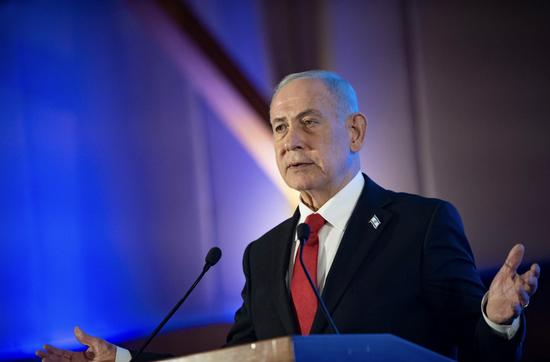
释新闻|内塔尼亚胡紧急提前访美,说动特朗普打击伊朗了吗?
Xin Lang Cai Jing· 2026-02-12 06:08
Group 1 - The core viewpoint of the articles revolves around the ongoing diplomatic efforts and military preparations concerning Iran, with U.S. President Trump expressing a preference for reaching an agreement with Iran rather than resorting to military action [2][4][6] - Trump and Israeli Prime Minister Netanyahu's meeting did not yield substantial results, with both leaders discussing the need for continued coordination on Iran and regional security issues [4][5] - There is skepticism from both U.S. and Israeli officials regarding the likelihood of a successful agreement with Iran, with discussions focusing on a potential "joint action plan" if negotiations fail [5][6] Group 2 - Iranian President Raisi stated that Iran is ready for any verification of its nuclear program but will not yield to excessive demands during negotiations [3] - Netanyahu's urgent visit to the U.S. was driven by concerns that the U.S. might make concessions to Iran that would not meet Israel's security needs [7] - Israeli officials have articulated their demands, including the complete dismantling of Iran's nuclear enrichment facilities and restrictions on its missile program [7][8] Group 3 - The U.S. military is ramping up preparations in the Middle East, with indications that a second aircraft carrier strike group may be deployed in response to potential military actions against Iran [2][10] - Reports indicate that Israel is concerned about Iran's missile capabilities, estimating that Iran could possess 1,800 to 2,000 missiles capable of striking Israel in the near future [8] - The U.S. is considering measures such as seizing oil tankers transporting Iranian oil to further pressure Iran economically, although this could provoke retaliatory actions from Iran [10]
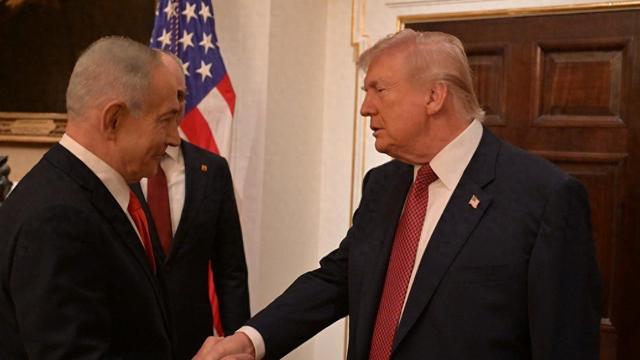
特朗普:正考虑派第二艘航母去中东 伊朗不会拥有核武器或导弹
Mei Ri Jing Ji Xin Wen· 2026-02-11 08:32
Group 1 - The U.S. is considering deploying a second aircraft carrier strike group to the Middle East in preparation for potential military action against Iran if negotiations fail [1][4] - The USS Abraham Lincoln carrier strike group is currently deployed in the region and could theoretically launch military operations within "one or two days" if ordered by the White House [3] - President Trump emphasized that any agreement with Iran must address not only nuclear issues but also ballistic missile concerns, indicating a desire for a comprehensive deal [4][10] Group 2 - The U.S. government is contemplating the seizure of oil tankers transporting Iranian oil as a means to exert pressure on Iran, although this action could provoke retaliation from Iran [5][7] - Over 20 vessels transporting Iranian oil have already been sanctioned by the U.S. Treasury, making them potential targets for seizure [7] - Israeli Prime Minister Netanyahu is expected to provide new intelligence regarding Iran's military capabilities during his visit to the U.S., particularly concerning Iran's ballistic missile capabilities [8] Group 3 - Iran's Foreign Ministry has warned that any military aggression against Iran will result in a "devastating" response, indicating a high level of tension in the region [9] - Iran's diplomatic efforts are focused on strengthening regional cooperation, and they have expressed a willingness to reach a new agreement on nuclear issues that surpasses the previous Obama-era deal [10][11]
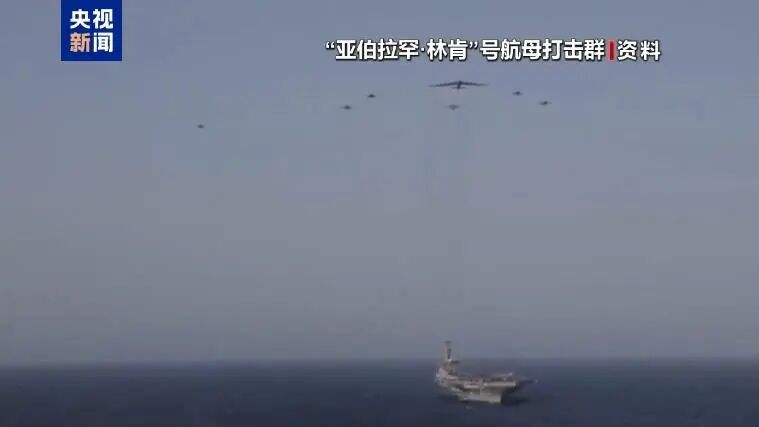
特朗普:正考虑派第二艘航母去中东,伊朗不会拥有核武器或导弹
Mei Ri Jing Ji Xin Wen· 2026-02-11 07:40
Group 1 - The U.S. is considering deploying a second aircraft carrier strike group to the Middle East in preparation for potential military action against Iran if negotiations fail [1][4] - The USS Abraham Lincoln carrier strike group is currently deployed in the Central Command area, and could theoretically launch military operations within "one or two days" if ordered by the White House [3] - President Trump emphasized that any agreement with Iran must address not only nuclear issues but also ballistic missile concerns, indicating a desire for a comprehensive deal [4][10] Group 2 - The U.S. government is contemplating the seizure of oil tankers transporting Iranian oil as a means to exert pressure on Iran, although this action could provoke retaliation from Iran [5][7] - Over 20 vessels transporting Iranian oil have already been sanctioned by the U.S. Treasury, making them potential targets for seizure [7] - Israeli Prime Minister Netanyahu is expected to provide new intelligence regarding Iran's military capabilities during his visit to the U.S., particularly concerning Iran's ballistic missile capabilities [8] Group 3 - Iran's Foreign Ministry has warned that any military aggression against Iran will result in a "devastating" response, indicating a high level of tension in the region [9] - Iran's Foreign Minister stated that the country is capable of reaching a new agreement on nuclear issues that surpasses the previous Obama-era deal, emphasizing the potential for a more favorable outcome [10][11] - Iran has expressed skepticism regarding the U.S.'s trustworthiness in negotiations, citing past experiences of attacks during talks as a significant concern [11]
伊朗空军司令:军队目前处于最高级别战备状态!俄罗斯最新发声!以色列释放对伊“单独行动” 信号意欲何为?
Mei Ri Jing Ji Xin Wen· 2026-02-10 08:17
Group 1 - Iran's air force is currently at the highest level of combat readiness, having learned valuable lessons from the "Twelve-Day War" to reshape its operational capabilities against new threats [1] - Iran's air force is prepared to respond decisively to any acts of aggression [1] Group 2 - Iranian National Security Council Secretary Larijani is visiting Oman to discuss regional and international issues, as well as economic cooperation [3] - Indirect negotiations regarding Iran's nuclear issues took place between Iran and the U.S. in Muscat [3] Group 3 - Russian Foreign Minister Lavrov expressed concerns about Iran's future and welcomed Oman's mediation efforts regarding the Iranian situation [4] - Lavrov emphasized that military solutions to the Iranian issue would complicate matters further and not enhance security for any nation [4] Group 4 - Israeli officials have indicated that Iran's ballistic missile program poses an existential threat to Israel, and if Iran crosses certain red lines, Israel may take unilateral action [5] - The Israeli government is signaling a potential shift towards independent military action against Iran, especially in light of upcoming discussions with U.S. President Trump [6] Group 5 - Military experts suggest that Israel may prefer coordinated action with the U.S. against Iran, but if red lines regarding missile capabilities are crossed, Israel might act independently [6] - The Israeli delegation visiting the U.S. includes intelligence and military leaders to coordinate strategies against Iran [6]
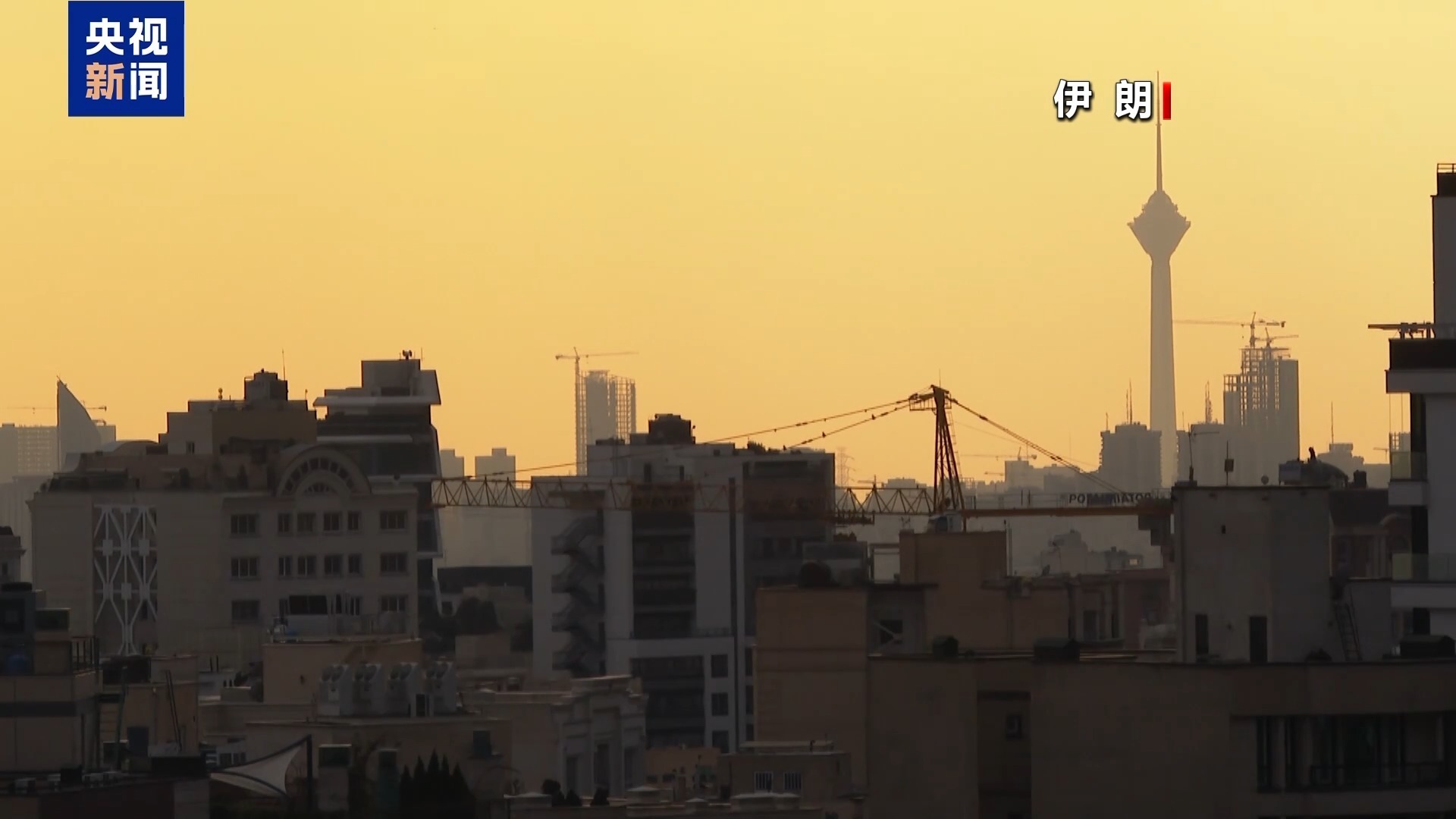
美国与伊朗谈不谈得拢?
Xin Lang Cai Jing· 2026-02-01 22:24
Group 1 - The core viewpoint of the articles indicates that both the US and Iran show willingness to negotiate, but the high demands from the US make the outcome of the talks uncertain, with the threat of war still looming over the region [2][4][8] - US President Trump stated that Iran is negotiating with the US and expressed hope for a satisfactory agreement to prevent Iran from acquiring nuclear weapons, while emphasizing the desire to avoid military action [2][4] - Iranian President Raisi highlighted that resolving differences through diplomacy is a priority for Iran, but it must be based on equality and free from threats [2][4] Group 2 - Experts believe that the US is cautious about military action against Iran due to the potential for a drawn-out conflict that could destabilize the entire Middle East and negatively impact the global economy [4][5] - The US is currently mobilizing military forces to pressure Iran, using military options more as a tool for intimidation rather than an immediate plan for war [5][9] - There are significant disagreements between the US and Iran regarding nuclear capabilities, with the US demanding that Iran not develop nuclear weapons or ballistic missile capabilities, while Iran insists on its right to peaceful nuclear energy [7][8] Group 3 - Despite the potential for negotiations, the possibility of military conflict remains high, as the US has set stringent conditions that Iran may find unacceptable [8][9] - The US is reportedly considering limited military actions against Iran if negotiations fail, with the aim of targeting Iran's nuclear program and missile capabilities [8][9] - Iranian Supreme Leader Khamenei warned that any US provocation could lead to a regional war, indicating the high stakes involved in the ongoing tensions [10]