传统手工艺传承

Search documents
宣芸:指间棕艺蕴自然
Xin Lang Cai Jing· 2025-12-24 23:56
Core Viewpoint - The article highlights the revival and innovation of traditional palm weaving craft by a local artisan, Xuanyun, who integrates local cultural elements into her creations, thereby promoting the craft and engaging the community. Group 1: Artisan's Journey - Xuanyun was inspired by her grandfather's palm weaving skills and began to explore this craft seriously in 2019 after witnessing its popularity at a local market [1][2] - She learned various techniques of palm weaving, utilizing fresh and dried palm leaves to create intricate animal figures [2] Group 2: Creative Works - Xuanyun's creations range from small insects to larger animals, showcasing her ability to capture the essence of different species through careful observation and technique [2] - A notable piece she created features local elements, such as a teapot symbolizing the region's tea culture, which was displayed at the first folk craft exhibition in Huzhou [3] Group 3: Community Engagement - Xuanyun actively participates in various local markets and exhibitions, promoting traditional crafts and engaging with the community [3] - She has become a representative inheritor of the palm weaving craft in Deqing County, encouraging local schools and communities to learn this traditional skill [3]
32岁潮州女孩,带一帮退休阿姨搞钱,火爆出圈
3 6 Ke· 2025-10-21 03:25
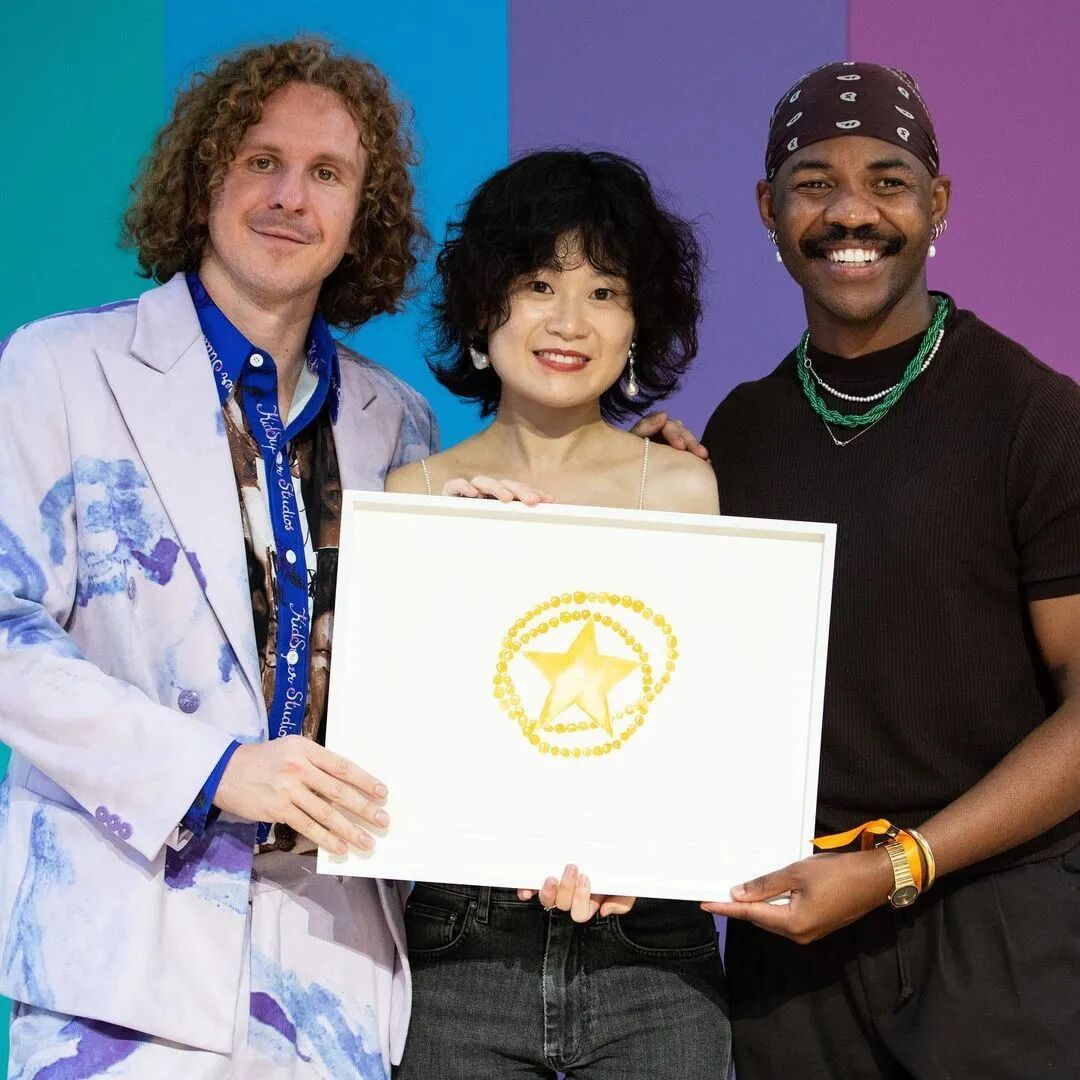
Group 1 - The article highlights the stories of young female creators who are passionate about their art, unafraid of controversy, and boldly exploring new fields, embodying freedom, avant-garde spirit, and courage [1] - Zhou Rui, a fashion designer born in 1994, received the LVMH Prize Special Jury Award in Paris in 2021, becoming the first Chinese designer to win this award [1][3] - Zhou Rui's designs challenge traditional beauty standards by embracing diverse body types, aiming to encourage women to overcome body shame [3][21] Group 2 - Qin Yuling, a post-90s artist from Hunan, studied glass art in Japan and returned to Jingdezhen to establish her own glassblowing studio, becoming one of the few artists in China specializing in this craft [6][34] - Qin Yuling's work involves high-temperature glassblowing, often working for over ten hours in extreme heat, and she views glass art as her life's mission [6][36] Group 3 - A 32-year-old designer named Banana returned to her hometown in Chaoshan to save her family's crochet factory from bankruptcy by leading local women in crochet entrepreneurship [10][50] - Banana's designs incorporate modern aesthetics and themes related to gender and emotions, aiming to preserve traditional crochet techniques while innovating [10][54] - The crochet project not only provides financial support for the women involved but also fosters a sense of pride and identity among them [61][75]

柚罐漆韵
Jing Ji Ri Bao· 2025-09-06 01:32
Core Viewpoint - The article highlights the efforts of Wang Boyang in preserving and innovating the traditional craft of making pomelo containers, which is an important part of Guangxi's intangible cultural heritage, while also contributing to local economic development through the pomelo container industry [1][2][3] Group 1: Traditional Craft and Innovation - Wang Boyang has dedicated over 20 years to studying the traditional making techniques of pomelo containers, which originally involved 60 to 70 processes, but he has streamlined it to 12 to 15 processes while maintaining the essence of the craft [2] - The traditional pomelo container making process includes multiple steps such as drying and shaping, which require meticulous attention to detail to ensure quality [1][2] Group 2: Economic Impact and Community Involvement - The pomelo container industry has seen significant growth, with an annual output value of approximately 30 million yuan, benefiting over 2,000 local residents through flexible employment opportunities [3] - The production of pomelo containers has stimulated the cultivation of pomelo trees among over 300 local households, covering more than 3,000 acres [3] - The pomelo containers have gained popularity as souvenirs among tourists and are also exported to countries like the United States and Singapore [3]
何以中国 | 一版一墨藏匠心,一代一脉续传承
Zhong Guo Xin Wen Wang· 2025-08-09 11:14
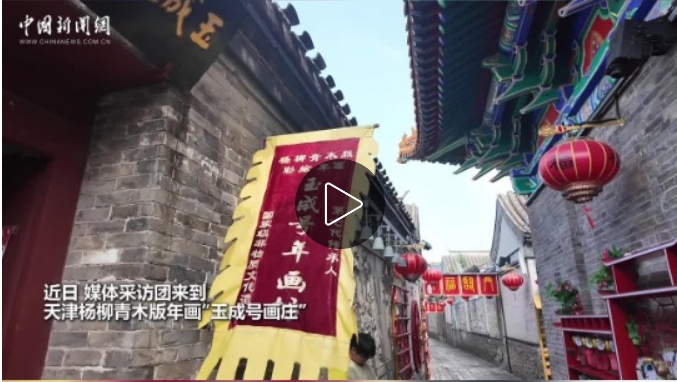
Group 1 - The media interview team visited the Yangliuqing woodblock New Year paintings in Tianjin, highlighting the cultural significance and artistic value of this traditional craft [1]
文化中国行丨300℃到800℃里烙出一张中国画
Yang Shi Xin Wen Ke Hu Duan· 2025-04-27 07:13
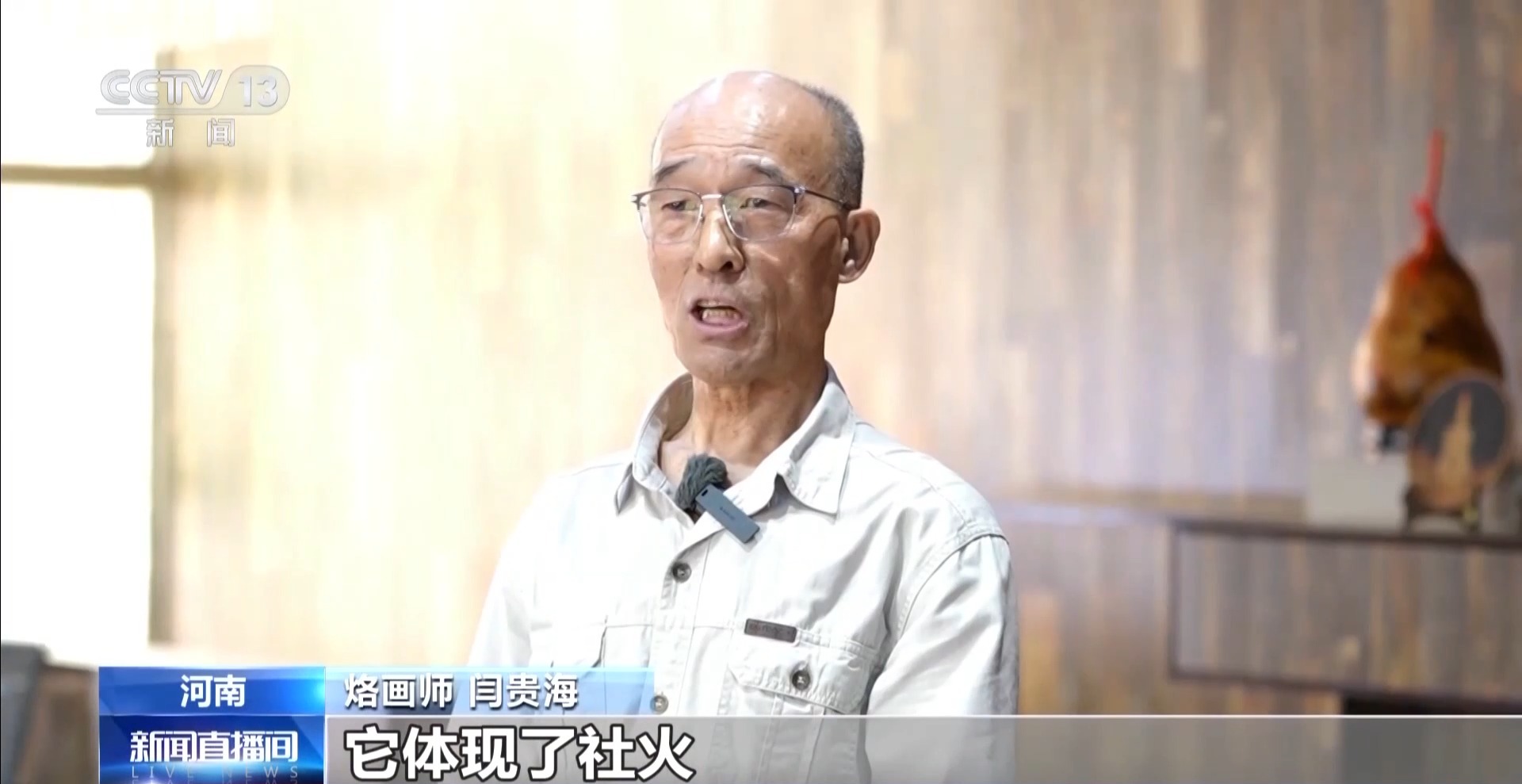
Core Viewpoint - The article highlights the significance of Nanyang Luohua (burning painting) as a traditional Chinese art form, emphasizing its historical roots, unique techniques, and contemporary adaptations to attract younger audiences [1][19]. Group 1: Historical Background - Nanyang Luohua originated in the Western Han Dynasty and reached its peak during the Ming and Qing Dynasties [5]. - In 2021, Luohua was recognized as a national-level intangible cultural heritage [1]. Group 2: Artistic Techniques - The creation of Luohua involves several key processes including composition, material selection, burning patterns, and mounting [5]. - The core techniques of Luohua include "outline, texture, dot, and burn," which are influenced by traditional Chinese painting [9]. - The temperature control during the burning process is critical, ranging from 300°C to 800°C, especially for delicate materials like silk and rice paper [11]. Group 3: Contemporary Innovations - Recent creations have incorporated modern elements and themes that resonate with younger audiences, such as animated works and three-dimensional forms [17]. - The integration of practical applications, from large screen paintings to small decorative items, showcases the blend of art and utility in Luohua [19]. Group 4: Preservation and Promotion - Local initiatives include hosting exhibitions, training programs, and collaborations with universities to promote Luohua and engage the community [19]. - Government support through subsidies aims to encourage young people to participate in the preservation of Luohua techniques [21].