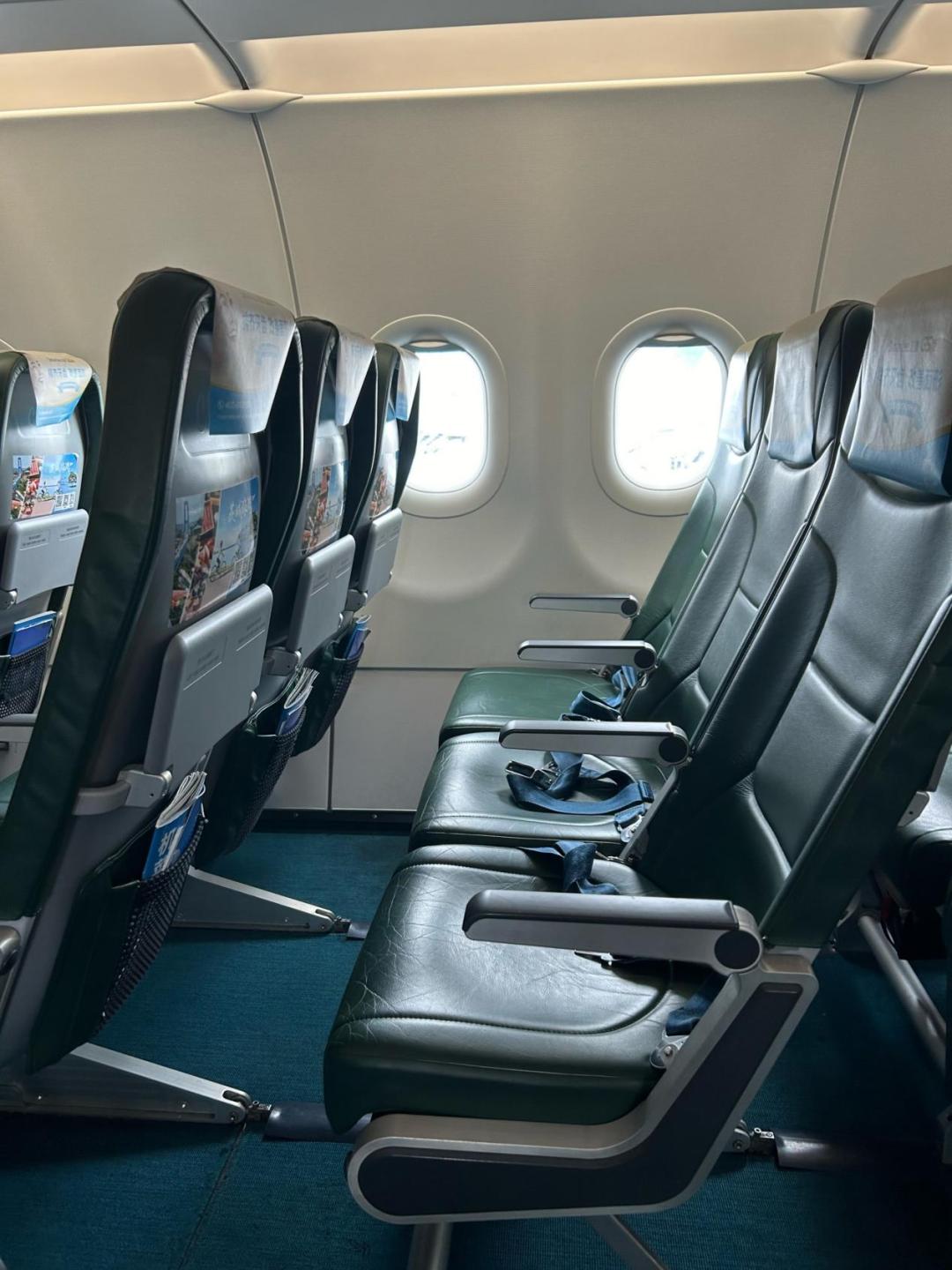
低价高量模式

Search documents
春秋航空赚钱的秘密:天上没有免费的午餐
3 6 Ke· 2025-10-14 00:16
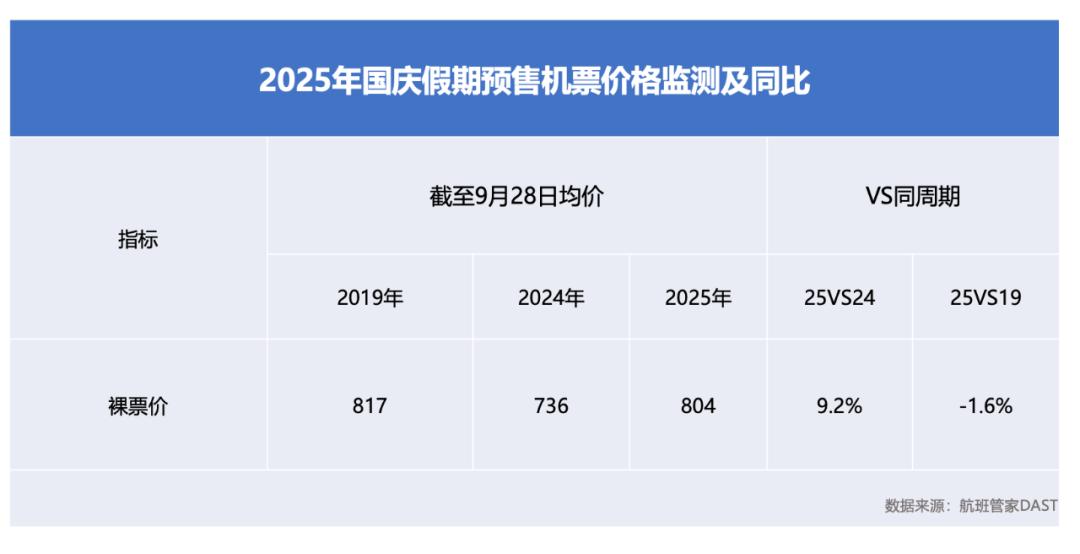
Core Viewpoint - The article discusses the contrasting dynamics in the airline industry during the 2025 National Day holiday, highlighting the significant increase in ticket prices and the challenges faced by traditional airlines compared to the success of Spring Airlines, which has adopted a low-cost, high-efficiency business model [1][3][18]. Airline Industry Overview - The National Day holiday in 2025 is expected to see a rise in ticket prices, with the average ticket price reaching 804 yuan, a 9.2% increase from 736 yuan in 2024 [1][2]. - Despite the increase in ticket prices, the airline industry is still struggling with profitability, as many airlines are caught in a cycle of low prices and high operational costs, leading to a situation where they are "busy with passengers but not making profits" [2][11]. Spring Airlines' Performance - Spring Airlines has emerged as the most profitable airline, reporting a net profit of 1.169 billion yuan in the first half of the year, with a net profit margin exceeding 10%, while major state-owned airlines collectively reported losses exceeding 4.7 billion yuan [3][4]. - The airline's success is attributed to its "extreme low-cost" business model, which focuses on cost control and operational efficiency rather than luxury services [3][4][21]. Cost Control Strategies - Spring Airlines maintains a significantly lower unit cost per seat kilometer compared to major airlines by avoiding free meals and focusing on high flight utilization and passenger load factors [4][6]. - The airline's decision to eliminate free meals has proven effective in reducing operational costs, as evidenced by the rising costs of in-flight meals for traditional airlines [6][8]. Market Dynamics - The airline industry is experiencing a supply surplus, leading to intense competition and price sensitivity among consumers, which has resulted in a decline in average travel spending during peak seasons [12][14][18]. - The rise of high-speed rail as a competitive alternative to air travel has further complicated the pricing strategies of airlines, as many routes overlap with rail services [12][14]. Future Challenges - The article notes that while Spring Airlines has found success through its low-cost model, the overall competitive landscape remains challenging, with traditional airlines beginning to lower prices to attract customers [22]. - The need for airlines to balance low prices with service quality is emphasized, as excessive cost-cutting may negatively impact customer experience and brand reputation [21][22].


29元一晚的“县城招待所”巨头,如今估值570亿
3 6 Ke· 2025-09-17 00:29
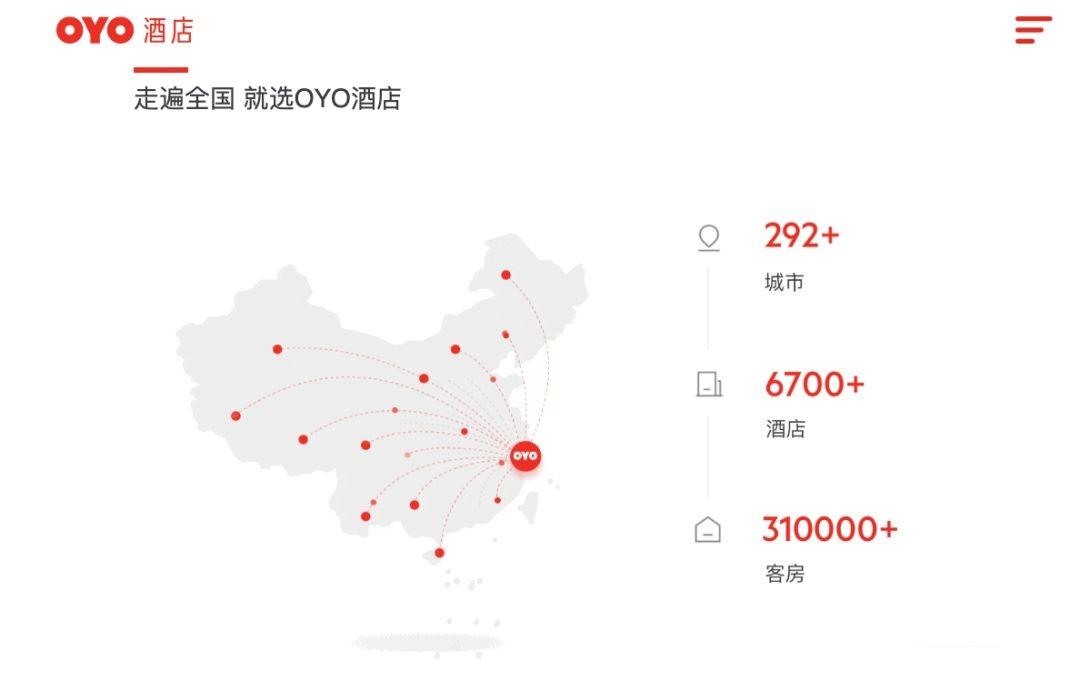
Core Viewpoint - OYO, the Indian hotel chain known as the "king of budget hotels," is preparing for an IPO with a target valuation of $8 billion (approximately 57.2 billion RMB) scheduled for November 2023, following a challenging period in the Chinese market where it faced significant losses and operational issues [1][20]. Group 1: Company Background and Expansion - OYO rapidly expanded in China, covering over 300 cities and partnering with more than 10,000 hotels within 20 months, significantly outpacing competitors like Home Inn and 7 Days Inn [1][19]. - At its peak in 2019, OYO had approximately 1.2 million hotel rooms globally, making it the second-largest hotel chain after Marriott [2][19]. - The company initially focused on low-cost, budget accommodations, leveraging a light-asset model that primarily generated revenue through commission from franchise hotels [7][9]. Group 2: Challenges and Setbacks - OYO faced criticism for its rapid expansion strategy, which relied heavily on franchise agreements with minimal quality control, leading to a proliferation of low-quality hotels [10][12]. - By 2020, OYO's aggressive growth resulted in significant financial losses, with monthly expenditures reaching approximately 150 million RMB while generating only 13 million RMB in commission income [12][15]. - The company experienced a drastic reduction in its Chinese operations, with the number of hotels plummeting from over 10,000 to just over 1,000 due to management issues and market exit [19][20]. Group 3: Financial Recovery and Future Plans - OYO has reported a turnaround in its financial performance, achieving its first quarterly profit in Q2 of the 2024 fiscal year, with a net profit of over 13.6 million RMB [20][24]. - The company aims to expand its presence in core growth markets, including India, Indonesia, Europe, and Malaysia, while also exploring opportunities in the U.S. and China [20][24]. - OYO's recent acquisition of Motel 6 for $525 million marks its largest acquisition to date, indicating a strategic shift towards enhancing its portfolio and market presence [23][24]. Group 4: Market Trends and Competitive Landscape - The domestic low-tier market is growing at a rate 150% faster than high-tier markets, presenting significant opportunities for budget hotel chains like OYO [20][28]. - OYO's low-price strategy aligns with current consumer trends, where price-sensitive consumers are increasingly seeking value, creating a fertile ground for budget offerings [28][30]. - The company's approach of attracting a large user base through low prices and achieving profitability through scale and cost control is becoming increasingly relevant in today's economic climate [29][30].
春秋航空、蜜雪冰城、拼多多……为何越低价越赚钱?
3 6 Ke· 2025-09-15 04:49
Core Viewpoint - Spring Airlines has emerged as the most profitable airline in China for the first half of 2025, despite a decline in net profit, while major airlines like Air China, China Eastern, and China Southern continue to report significant losses [1][2]. Financial Performance - In the first half of 2025, Spring Airlines reported revenue of 10.304 billion yuan, a year-on-year increase of 4.35%, and a net profit of 1.169 billion yuan, a decrease of 14.11% [1]. - Air China, China Eastern, and China Southern reported losses of 1.806 billion yuan, 1.431 billion yuan, and 1.533 billion yuan respectively, with Air China and China Southern experiencing losses for three consecutive quarters and China Eastern for 22 consecutive quarters [1]. Market Reaction - Despite being the most profitable airline, Spring Airlines' stock price fell after the earnings report, declining from 56.83 yuan at the beginning of the year to 53.32 yuan by September 10, 2025, a drop of 6.2% [1]. - In contrast, Air China's stock price increased by 2% following its earnings report, while China Southern also saw a slight rise [1]. Cost Structure and Strategy - Spring Airlines employs a low-cost model, focusing solely on economy class, which allows for a higher seat capacity compared to competitors that offer multiple classes [6][8]. - The airline's cost control is evident, with sales and management expenses significantly lower than those of major competitors, at 1.248 billion yuan and 1.485 billion yuan for the first half of 2025 [7][6]. - Spring Airlines has a high passenger load factor of 90.6% in Q1 2025, compared to 78.5%, 79.1%, and 80.3% for Air China, China Eastern, and China Southern respectively [3]. Pricing Strategy - The airline's pricing strategy includes extremely low ticket prices, with fares as low as 9 yuan, which has contributed to its high load factor [3]. - Spring Airlines has reduced ticket prices by 5%, the lowest among major airlines, while competitors saw declines of 9%, 11%, and 8% [3]. Ancillary Revenue - Spring Airlines generates additional revenue through ancillary services, such as charging for meals and baggage, which has become a significant part of its income [24]. - In 2024, ancillary services contributed 1.03 billion yuan to Spring Airlines' revenue, marking a 14.4% increase year-on-year [24]. Competitive Positioning - The airline's unique operational strategies, such as high proportions of red-eye flights and direct sales channels, have allowed it to maintain a competitive edge in a challenging market [8][24]. - Spring Airlines' business model aligns with current consumer trends, focusing on cost-effectiveness and catering to price-sensitive customers [21][25].