低利率目标

Search documents
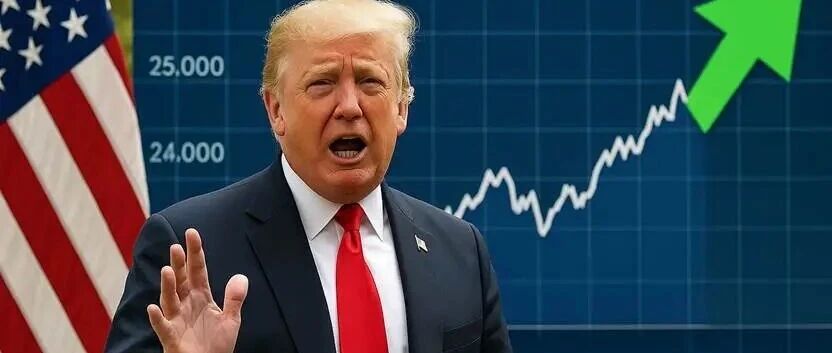
华尔街日报:不确定经济政策能否赢中选,特朗普质疑“有好消息股市反而跌,特别好消息股市就会崩盘”,这都是美联储的错!
美股IPO· 2025-12-15 07:15
Core Viewpoint - The article discusses President Trump's acknowledgment of uncertainty regarding the effectiveness of his economic policies before the upcoming midterm elections, attributing market reactions to the Federal Reserve's hawkish stance and emphasizing the need for low interest rates and tariffs to stimulate the economy [1][3][5]. Group 1: Economic Policy and Midterm Elections - Trump expressed uncertainty about whether his economic policies will help the Republican Party win the midterm elections, admitting that the full effects of economic activities may not be seen until the second quarter of next year [3][4]. - Despite boasting about creating a strong economy, Trump noted that many Americans are not feeling the benefits of economic growth due to slow job growth and rising prices of everyday goods and services [3][7]. Group 2: Federal Reserve Criticism - Trump criticized the Federal Reserve for creating a "good news is bad news" market phenomenon, where positive economic data leads to market declines due to fears of interest rate hikes [5][6]. - He stated a strong desire for a 1% interest rate target, contrasting sharply with the current Federal Reserve stance, indicating potential conflicts between the White House and the Fed if economic data remains strong [5][6]. Group 3: Tariff Policy and Government Intervention - Trump reiterated his reliance on tariffs, claiming they have brought wealth to the U.S. and provided leverage in international negotiations, although his tariff policies face legal challenges [6]. - He defended government intervention in the economy, confirming plans for the government to invest in defense and critical industries, suggesting a shift towards more active industrial policy [6]. Group 4: Inflation Challenges - Inflation remains a core challenge for Trump, who blames it on previous administrations while asserting that he has lowered prices; however, prices for essential goods have risen significantly during his term [7].