低成本航空运营模式

Search documents
告别航班“锁座”?争议多年后行业新规有望出台
Hua Xia Shi Bao· 2026-01-24 01:31
Core Viewpoint - The issue of "seat locking" in China's aviation industry has gained regulatory attention due to growing public controversy, leading to the China Air Transport Association's initiative to establish standardized rules for seat reservation practices [1][2]. Group 1: Regulatory Response - The China Air Transport Association announced plans to create a group standard for seat reservation rules, aiming to address the types, scope, and disclosure of seat reservation practices [1][2]. - The new standards will be open for public consultation, inviting feedback from travelers and the broader community [2]. Group 2: Industry Practices - The practice of charging for seat selection began over a decade ago, initially involving a limited number of premium seats, but has expanded significantly, leading to reduced choices for passengers [2][3]. - A report from the Jiangsu Consumer Rights Protection Committee highlighted issues such as excessive locking of quality seats and unclear disclosure of seat reservation rules by airlines [2][3]. Group 3: Consumer Concerns - Consumers often discover seat locking only after purchasing tickets, with airlines citing reasons like special passenger reservations and emergency seat allocations, yet the actual locking rates exceed necessary levels [3]. - The lack of a unified standard for seat locking practices has led to distrust among travelers, as airlines provide inconsistent explanations for their policies [3][7]. Group 4: Comparison with Global Practices - Globally, low-cost airlines have adopted paid seat selection as a standard practice, often offering low base fares while charging for additional services like seat selection and baggage [5][6]. - Traditional airlines are increasingly adopting low-cost strategies by unbundling services, yet some still maintain a proportion of seats available for free selection to avoid customer dissatisfaction [6][7].
15元毛毯风波:春秋航空一边“喊冤”,一边狂赚22亿
Xin Lang Cai Jing· 2025-08-26 09:23
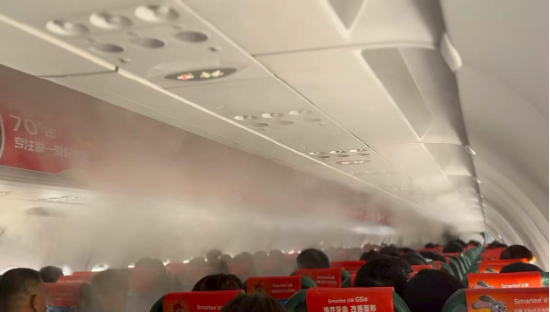
Core Viewpoint - The controversy surrounding Spring Airlines' alleged practice of lowering cabin temperatures to sell blankets for 15 yuan has sparked significant consumer backlash and discussions on social media, highlighting the airline's low-cost operational model and customer service issues [2][3][5] Group 1: Customer Complaints and Reactions - Passengers have expressed dissatisfaction with the airline's policy of charging for blankets, with many feeling that the cabin temperature is uncomfortably low and questioning the airline's motives [2][3] - Some consumers have shown understanding of the airline's low-cost model, noting that the ticket prices are lower than traditional carriers and that purchasing a blanket is optional [5] - The airline has received a total of 16,790 complaints on the Black Cat Complaints platform, primarily regarding unreasonable ticket change fees, baggage charges, and poor customer service [12] Group 2: Airline's Response and Business Model - Spring Airlines has firmly denied the allegations, stating that they maintain cabin temperatures within a comfortable range and that the sale of blankets has always been a paid service [5][7] - The airline's low-cost model involves eliminating traditional passenger services, which has led to a reputation for being "stingy" and has resulted in a high volume of customer complaints [7][12] - Despite the complaints, Spring Airlines remains the most profitable airline in China, with a reported revenue increase of 11.5% to 20 billion yuan and a net profit of 2.273 billion yuan in 2024 [14][16] Group 3: Revenue from Ancillary Services - The airline's ancillary revenue, which includes charges for baggage, seat selection, and in-flight meals, contributed over 600 million yuan annually, with 2024 figures reaching 1.03 billion yuan, a 14.44% increase from 2023 [16] - The company plans to continue focusing on developing ancillary revenue as a core competitive advantage in the future [16]