低温雨雪灾害

Search documents
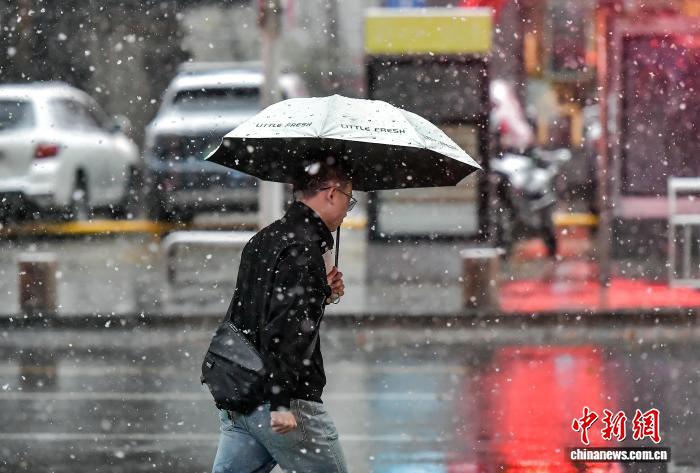
【省气象局】陕西将有雨雪降温吹风天气
Shan Xi Ri Bao· 2026-02-06 00:30
Weather Impact on Transportation and Energy - A significant weather event is expected in Shaanxi from February 6 to 7, with rain, snow, and temperature drops affecting transportation infrastructure, leading to slippery roads, ice, low visibility, and high crosswind risks [1] - Transportation and traffic management departments are advised to enhance control measures on critical road sections prone to icing, such as bridges and mountainous areas, and to prepare for snow and ice removal [1] - The energy sector is warned about potential issues with power distribution equipment due to ice and snow, suggesting that energy departments conduct demand analysis and ensure proper energy reserves and distribution [1] Agricultural Impact - The weather conditions are likely to cause insufficient light and low temperatures in agricultural facilities in Guanzhong and southern Shaanxi, affecting the growth of fruits and vegetables [2] - Recommendations include implementing temperature and light enhancement measures and precise management of fertilizers and water to mitigate the impact on crops [2] - Areas in northern Shaanxi, eastern Guanzhong, and Shangluo are advised to inspect and reinforce agricultural facilities to protect against strong winds [2]
中国气象局:2月将有4次冷空气过程
Yang Shi Xin Wen· 2026-01-29 08:36
Group 1 - In January 2026, the average temperature in China was -4.2°C, which is 0.7°C higher than the same period in previous years, with four cold air processes affecting the country, which is 1.2 times more than usual [2] - A significant cold air event occurred from January 16 to 21, leading to severe weather conditions including heavy snow and freezing rain, impacting electricity, transportation, and agriculture [2] - The average precipitation in January was 4.5 mm, which is 65.1% less than the historical average, resulting in drought conditions in several regions, including Jiangsu, Shanghai, and Guangdong [2] Group 2 - In February 2026, four cold air processes are expected, with varying intensities, affecting temperature and precipitation across the country [4] - Most regions in southern China are expected to have temperatures 1 to 2°C higher than the historical average, while northern areas may experience temperatures close to or slightly below average [4] - Precipitation is forecasted to be higher in northern regions and lower in southern areas, with some regions experiencing a 20% to 50% increase in precipitation compared to historical averages [4] Group 3 - There is a warning for potential strong cold spells, heavy snowfall, and strong winds in northern regions, with recommendations for agricultural and transportation sectors to prepare for adverse weather conditions [5] - Increased dust storm days and intensity are expected in the northwest and southern Xinjiang, while fog or haze days may increase in the Fenwei Plain and Yangtze River Delta [5]
2025年我国平均气温创新高 北京降水历史最多
Xin Hua She· 2026-01-04 11:32
Group 1 - The average temperature in China is projected to reach 11.0℃ in 2025, marking the warmest year since 1961, with a 1.1℃ increase compared to the normal average of 9.9℃ [1] - Beijing is expected to experience the highest rainfall since 1961, with 41 national meteorological stations recording daily precipitation that exceeds historical extremes [1] - The summer of 2025 (June to August) will see an average temperature of 22.3℃, which is 1.1℃ higher than the normal, tying with 2024 for the highest summer average since 1961 [1] Group 2 - Northern regions should prepare for adverse effects from low temperatures and snow, while southern areas need to guard against potential meteorological drought impacts [2] - The eastern part of Northeast China, northeastern Inner Mongolia, and western Xinjiang are expected to have lower temperatures and higher precipitation compared to the same period in previous years [2] - Central and southern regions of East China are forecasted to have significantly less precipitation, with temperatures close to or above normal, indicating a potential development of meteorological drought [2]
2026年1月气候趋势预测来了→
Xin Lang Cai Jing· 2025-12-31 10:40
Summary of Key Points Core Viewpoint - December 2025 experienced significantly higher average temperatures across China, with notable fluctuations, while precipitation was below the historical average, leading to a "more in the north, less in the south" distribution pattern [2][3]. Temperature Analysis - The national average temperature in December was -1.2°C, which is 1.8°C higher than the historical average, marking the second highest since 1961, only behind 2016 [3]. - There were five cold air events affecting the country, which is above the historical average of 1.4 events [3]. - A nationwide cold wave occurred from December 11 to 15, characterized by significant temperature drops, extensive coverage, and prolonged duration, with 164 national stations reporting maximum temperature drops of 14.0°C or more [3]. Precipitation Analysis - The national average precipitation was 7.5 mm, which is 33.8% lower than the historical average for December [4]. - In early December, the northern part of Jiangnan experienced high temperatures and low rainfall, leading to the development of meteorological drought; however, this was alleviated in late December due to increased precipitation [4]. January Climate Trend Forecast - For January, temperatures in northeastern Inner Mongolia, most of Northeast China, southeastern East China, southeastern South China, southern Southwest China, and western Xinjiang are expected to be lower than the historical average, with some areas like eastern Heilongjiang and eastern Jilin forecasted to be 1-2°C lower [12]. - Conversely, other regions are expected to have temperatures close to or above the historical average, particularly in parts of northwest Sichuan, southern Gansu, and southeastern Tibet [12]. Precipitation Forecast - Precipitation in most of Northeast China, eastern Inner Mongolia, and parts of Northwest China is expected to be higher than the historical average, with some areas forecasted to exceed the average by 20-50% [12]. - In contrast, regions such as central and southern Jiangsu, Shanghai, and parts of Hunan and Guangdong are expected to see precipitation levels 20-50% lower than the historical average [13].


元旦假期:北方降雪较强 南方湿冷明显
Xin Hua She· 2025-12-30 10:05
Core Viewpoint - The China Meteorological Administration has issued a weather forecast for the New Year's holiday and the following ten days, indicating significant snowfall in the north and noticeable damp cold in the south, with three waves of cold air expected to impact the country [1][2][3]. Weather Impact Summary - The majority of China will experience weak precipitation during the New Year's holiday, with lower temperatures in the central and eastern regions, and noticeable damp cold in the south [2]. - From December 30 to January 2, a strong cold air mass will affect most of the central and eastern regions, causing temperatures to drop by 6°C to 8°C, with some southern areas experiencing drops of over 10°C [4]. - A second cold air mass will impact the country from January 4 to 6, leading to temperature decreases of 4°C to 6°C in most central and eastern regions, with localized drops exceeding 8°C [5]. - A third cold air mass is expected around January 8, affecting most areas from west to east [6]. Public Safety and Health Advisory - The public is advised to prepare for travel disruptions due to weather conditions, particularly in northern regions where cold and snowy weather is common [6]. - In southern regions, the damp cold and rainy weather necessitate precautions against hypothermia and slippery road conditions [6]. - Increased risks of flu and other illnesses are anticipated due to the cold, especially in the south, prompting the need for public health measures [2]. Agricultural and Infrastructure Preparedness - Regions experiencing low temperatures and snow should prepare agricultural and livestock facilities for cold weather, while transportation, energy, and power sectors need to develop risk management plans for low-temperature and snow-related disasters [7][8]. - Areas in East and Central China are facing a potential drought, requiring monitoring and management of water resources to ensure supply for urban and rural needs [8].
北方大部地区已入冬,局地偏早20天以上
Zhong Guo Xin Wen Wang· 2025-10-31 07:54
Core Points - The northern regions of China have entered winter earlier than usual, with some areas experiencing winter conditions up to 20 days ahead of the normal schedule [3][4] - The average national temperature in October was 11.1°C, close to the historical average, but the month saw a significant temperature drop in the latter half [2][3] - October recorded the third-highest rainfall for the month in history, with an average precipitation of 51.5 mm, which is 51.8% more than the historical average [4] Temperature Trends - The temperature in early October was historically high, but a strong cold air mass from October 16 to 21 caused a drop of 8°C to 14°C across much of central and eastern China [3] - Northeastern and northern regions, including parts of Inner Mongolia and Heilongjiang, experienced early winter conditions, while some areas in the northwest and southwest saw delayed winter by up to 20 days [3] Precipitation and Weather Events - October saw six significant rainfall events, leading to localized flooding in provinces such as Shandong and Sichuan [4] - The 21st typhoon, "Maidum," made landfall in Guangdong and Guangxi, causing heavy rainfall, with the highest recorded daily precipitation reaching 369.4 mm in Guangxi [4][5] November Climate Forecast - For November, temperatures in northeastern and eastern Inner Mongolia are expected to be lower than the historical average, while most other regions will be close to or above average [7][8] - Increased precipitation is anticipated in northeastern regions, with warnings for potential low-temperature rain and snow disasters, particularly in the first half of the month [8]