
低碳旅游

Search documents
新形态带来新活力
Xin Lang Cai Jing· 2026-02-10 20:03
Group 1: Low-Carbon Tourism and Green Consumption - Jiangxi Zixi is transforming its ecological advantages into development momentum through low-carbon tourism, making green consumption a new trend in tourism [3][4] - The Dajue Mountain scenic area features a 13.14 km long cliff train system that operates at altitudes of 800 to 1100 meters, with a maximum daily capacity of 25,000 passengers, significantly reducing pollution and carbon emissions [4] - The "carbon currency" mechanism allows tourists to earn carbon credits through eco-friendly behaviors, which can be exchanged for discounts on tickets and other services, promoting a closed-loop of green behavior [5] - In 2025, Zixi received 10.6371 million tourists, a year-on-year increase of 8.96%, generating a total tourism revenue of 4.721 billion yuan, up 11.52% year-on-year [5] Group 2: Traditional Chinese Medicine and Health Consumption - Traditional Chinese medicine (TCM) is becoming more accessible and appealing to young consumers in Weifang, with various health markets and wellness products gaining popularity [6][7] - Weifang is leveraging its rich TCM resources to develop food and health products, including a wellness kitchen that offers a variety of herbal dishes and drinks, attracting younger demographics [7] - In 2023, Weifang launched several TCM health tourism routes, integrating health services into daily life and drawing significant participation from young people [7][8] Group 3: Smart Consumption and Digital Integration - Chengdu's Chunxi Road business district is integrating technology to create smart consumer experiences, including interactive robot activities and digital service platforms [9][10] - The "Cloud Chunxi" service platform enhances management and consumer engagement, providing real-time data on business operations and safety [11] - The "Code to Tour Jinjiang" mini-program facilitates international tourists' navigation and shopping experiences in the district, showcasing the integration of 5G and AR technologies for enhanced consumer interaction [11]

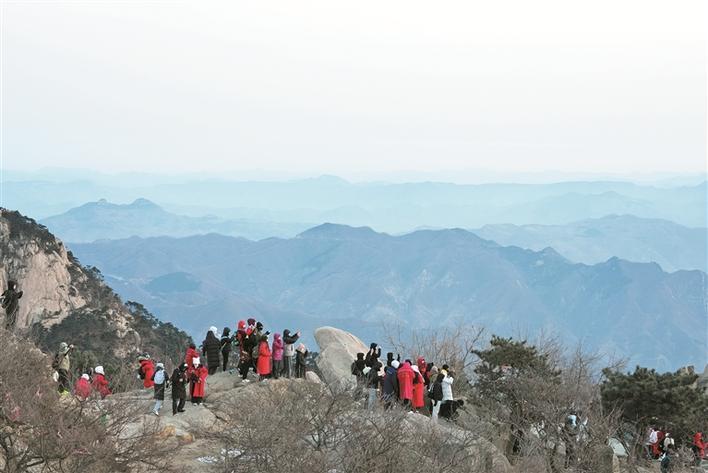
长三角议事厅·周报|长三角文旅协同:从机制破壁到价值共创
Xin Lang Cai Jing· 2025-05-26 08:08
Core Viewpoint - The integration of tourism associations in the Yangtze River Delta region aims to enhance regional coordination and development through cultural and tourism collaboration, breaking down administrative barriers and reconstructing transportation networks [1][2][3]. Group 1: Institutional Breakthroughs - The implementation of the "same city treatment" mechanism allows for cross-provincial tourism with mutual recognition of standards, data sharing, and regulatory interaction, facilitating innovative initiatives like the "high-speed rail tourism annual pass" [2]. - The "Shanghai-Disneyland-Suzhou Gardens-Hangzhou West Lake" tourism route is projected to see a 28% increase in visitor numbers in 2024, driving over 35% growth in surrounding consumption [2]. - The "High-Quality Integrated Development Cooperation Agreement for Inbound Tourism" set to launch in 2025 aims to optimize the 240-hour transit visa exemption policy, enhancing the appeal of the "Shanghai-Hangzhou-Suzhou" tourism products [2]. Group 2: Regional Planning - The Shanghai metropolitan area is actively developing land-based tourism circle plans, with Jiangsu focusing on upgrading scenic spots and vacation areas, while Zhejiang emphasizes "transportation and tourism integration" [3]. - Anhui is promoting cultural tourism integration, embedding "Hui culture" into the broader Yangtze River Delta market [3]. Group 3: Practical Innovations - Brand collaboration is driving regional tourism consumption, with events like the Shanghai Tourism Festival and Jiangsu Rural Tourism Festival creating a celebratory matrix across the four regions [4]. - The "Four Seasons Anhui" promotional campaign is creating a tourism loop by integrating high-quality resources from Anhui with Shanghai [4]. - The high-speed rail network, exceeding 6,500 kilometers, facilitates a "1-hour metropolitan area, 3-hour city group, and 5-hour regional travel" model [4]. Group 4: Resource Integration - The Yangtze River Delta has established a competitive tourism product system based on seven core resources, creating 30 unique tourism routes and 8 world-class corridors [5]. - The launch of the "Shanghai Holiday Train: Enjoy the Yangtze River Delta" tourism train connects top attractions, transitioning regional tourism from "point supply" to "chain operation" [5]. Group 5: Value Co-Creation - The region is moving from "platter-style integration" to "systematic coupling" of cultural resources, enhancing cultural identity and value recognition [6][7]. - Collaborative projects, such as exhibitions and product development between cultural institutions, exemplify the trend of cultural integration [7]. - Future initiatives may include joint applications for intangible cultural heritage projects and shared performance resources to deepen cultural collaboration [7].