低碳电力

Search documents
最穷的发达国家,一分钟下线一辆车
汽车商业评论· 2026-03-03 23:04
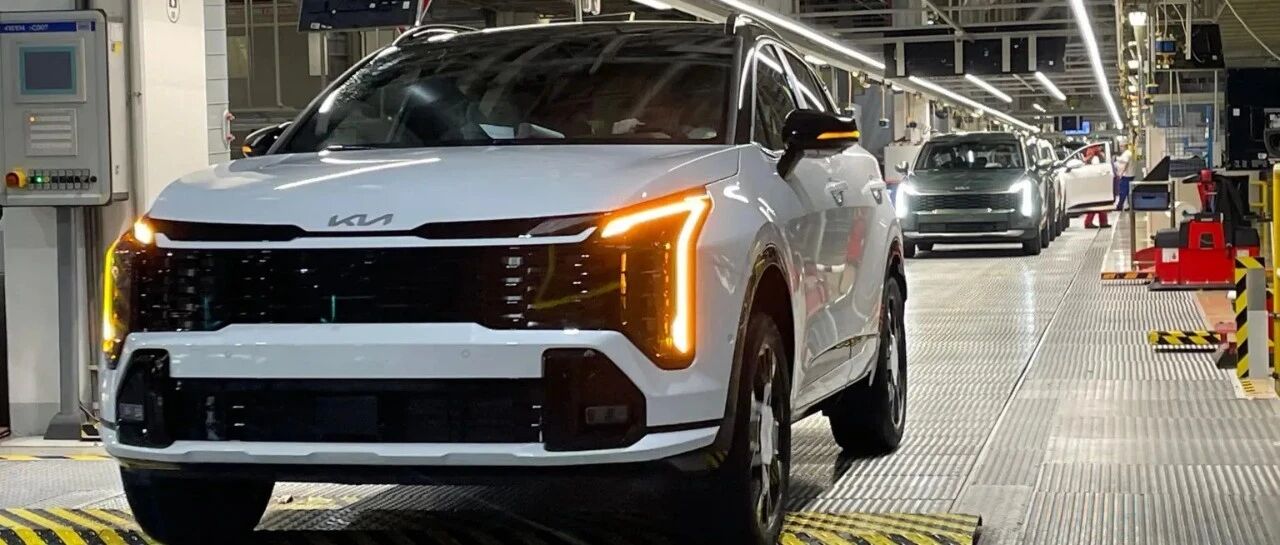
Core Viewpoint - Slovakia has emerged as the world's leading car manufacturer in terms of per capita production, with a projected output of approximately 993,000 vehicles in 2024 and a rebound to about 1.07 million in 2025, despite its overall production being lower than other countries [4][5]. Group 1: Production Capacity and Workforce - Kia's factory in Zilina has an annual production capacity of 350,000 vehicles and employs around 3,700 people, with a cumulative investment of approximately €2.5 billion from 2004 to 2024 [7]. - The average monthly salary at the Kia factory is €2,400, significantly higher than Slovakia's overall average monthly salary of about €1,400 in 2023 [9][10]. - Slovakia's automotive industry directly employs about 170,000 people, contributing approximately 10.4% to the GDP and accounting for about 46.5% of industrial production revenue in 2023 [17]. Group 2: Competitive Advantages - Slovakia's labor costs are about 60% of those in Western Europe, maintaining competitiveness despite rising wages [9]. - The country benefits from a strong local supply chain with over 365 local suppliers and a favorable geographic location that connects it to a market of approximately 740 million consumers within a 2,000 km radius [13]. - Slovakia's low-carbon electricity share is around 85%, with nuclear power accounting for about 63% and hydropower for about 14%, making it easier for locally produced electric vehicles to meet subsidy conditions in various markets [14]. Group 3: Industry Development and Challenges - The automotive industry in Slovakia has seen significant foreign investment since the Velvet Revolution in 1989, with major manufacturers like Volkswagen, Stellantis, Jaguar Land Rover, and Kia establishing operations [17]. - The planned establishment of a new electric vehicle factory by Volvo in Kosice, with a projected annual capacity of 250,000 vehicles, highlights the potential impact of new projects on production and employment dynamics in the country [18]. - As the industry faces pressures from rising costs and the transition to electric vehicles, the ability to retain competitive advantages will be crucial for Slovakia's automotive sector [17].


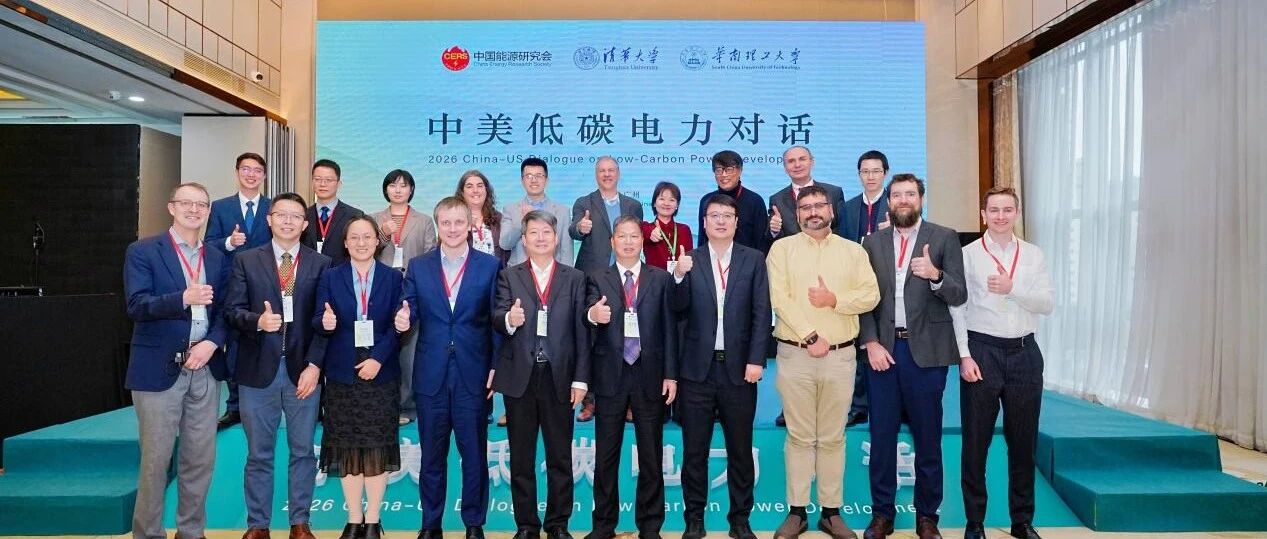
2026中美低碳电力对话活动在广州举办
中国能源报· 2026-01-30 09:59
Core Viewpoint - The second "China-US Low Carbon Power Dialogue" successfully held in Guangzhou focused on the latest policies, market planning, and mechanism design in the context of low-carbon power development between China and the US, highlighting the importance of collaboration in the energy sector [1][13]. Group 1: Event Overview - The event was co-hosted by the China Energy Research Society, Tsinghua University, and South China University of Technology, with participation from experts and scholars from both countries [1]. - Keynote speeches were delivered by renowned experts from various institutions, including Johns Hopkins University and Cornell University, emphasizing the significance of the dialogue [3]. Group 2: Discussion Topics - The dialogue featured four main topics: 1. Policies and market design to promote clean power production, transmission, and consumption [5]. 2. Planning and market practices supporting low-carbon flexibility and resource adequacy [7]. 3. Market design for high-proportion renewable energy power systems [9]. 4. Energy system planning and operation considering demand-side coordination [11]. Group 3: Key Insights from Each Topic - **Topic 1**: Discussions included global cooperation experiences in clean energy systems and the characteristics of the US power market, with insights on the development and reform of the Southern regional power market [5]. - **Topic 2**: Focused on global power market structures and the impact of data center load coordination on capacity adequacy, alongside China's new energy storage strategy [7]. - **Topic 3**: Addressed the applicability of marginal pricing theory in high renewable environments and the importance of modeling quality in power system planning [9]. - **Topic 4**: Explored the role of demand-side response in high renewable systems and successful practices in virtual power plants [11]. Group 4: Future Implications - The event established a high-level platform for academic and industry collaboration between China and the US, addressing common challenges in low-carbon power development and emphasizing the long-term significance of ongoing dialogue for global carbon reduction efforts [13].