低空经济战略

Search documents
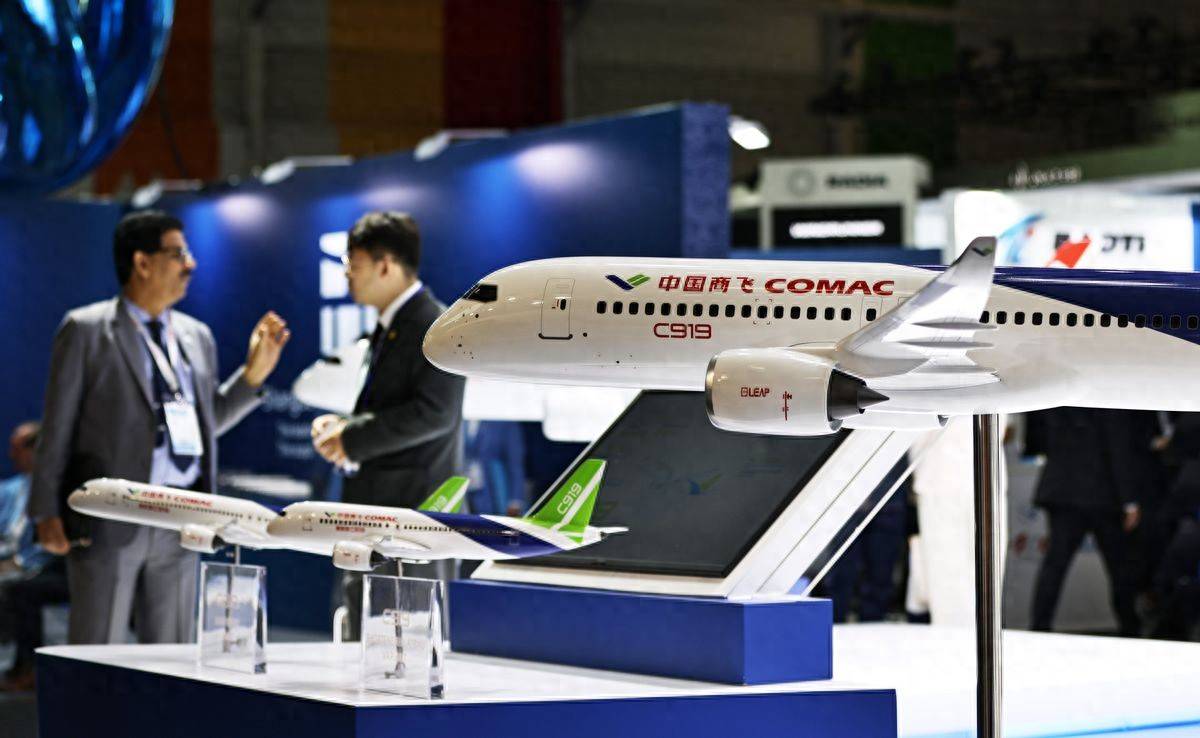
欧洲执意卡中方脖子!欧空局认可C919,但就是不发适航证
Sou Hu Cai Jing· 2026-01-17 06:17
Core Viewpoint - The successful acquisition of airworthiness certification from either Europe or the United States will allow China to officially enter the global commercial aircraft competition, with the C919 potentially benefiting millions of families worldwide [1][3]. Group 1: C919 Development and Evaluation - The European Union Aviation Safety Agency (EASA) has sent a team to Shanghai to conduct a comprehensive evaluation of the C919's test flights, which received high praise for safety and performance, with only minor software adjustments needed [1]. - China had previously submitted an application to the EASA for the C919's airworthiness certification to enter European airspace [1]. Group 2: Geopolitical Considerations - The rejection of China's application by Europe was unexpected, but the renewed evaluation of the C919 may indicate a need for mutual understanding between China and Europe, possibly influenced by U.S. pressure [3]. - The EASA's assessment of the C919 is viewed more as a political maneuver rather than a purely commercial evaluation, aimed at easing trade tensions between China and Europe [5]. Group 3: Market Dynamics and Competition - The EU may impose high barriers to entry for China to maintain the existing market structure dominated by Airbus and Boeing, as the C919 could quickly become the third-largest commercial aircraft manufacturer if successful in international markets [6]. - The rapid development of China in the industrial sector poses a threat to the high-profit industries of the U.S. and Europe, which may lead to reluctance in allowing the C919 to enter the market [8]. Group 4: Future Strategies - China is pursuing a low-altitude economic strategy, planning to introduce flying cars and small manned aircraft to end-users, indicating that the approval of foreign airworthiness certificates may not be a priority for China [10]. - If the U.S. and Europe were to understand China's development strategy and open their markets, it could lead to faster growth in the global civil aviation market, benefiting consumers with more affordable and higher-quality flight services [12].