
住宅新标准

Search documents
高楼将停建?确定:住宅实施新标准,未来两类房屋吃香
Sou Hu Cai Jing· 2025-11-23 12:40
Core Viewpoint - The shift in buyer preferences from high-rise to low-rise residential buildings is evident, driven by the disadvantages associated with high-rise living, such as larger shared areas, reduced usable space, and safety concerns during emergencies [1][3][4]. Summary by Sections Buyer Preferences - The proportion of buyers choosing low-rise residential buildings increased from 18.5% in 2018 to 29.8% in 2020, while the preference for high-rise buildings dropped from 57.8% to 36.5% during the same period [1]. Disadvantages of High-Rise Buildings - High-rise buildings typically have larger shared areas, leading to reduced usable space for residents. They also have higher building density, which negatively impacts indoor ventilation and lighting, and can create crowded living conditions with parking difficulties [1]. - In emergencies like fires or earthquakes, the reliance on elevators can hinder evacuation and rescue efforts [1]. Challenges in High-Rise Development - High-rise buildings face significant challenges regarding demolition due to high costs associated with relocating numerous residents. As buildings age, maintenance costs increase, adding to the financial burden on homeowners [3]. - Experts express concerns about the future value of high-rise buildings, particularly in smaller cities, suggesting they may decline in value and potentially become undesirable living spaces [4]. Regulatory Changes - The Ministry of Housing and Urban-Rural Development and the National Development and Reform Commission have issued guidelines to limit the construction of super-tall buildings, with a focus on restricting new buildings over 500 meters and requiring thorough justification for those over 100 meters [4][5]. - New regulations mandate that new residential buildings in county towns should primarily be low-rise, with a maximum height of 18 stories [5]. Future Opportunities - The advantages of low-rise buildings include smaller shared areas, better cost-effectiveness, lower building density, improved green space, and enhanced safety and accessibility, making them attractive to both first-time buyers and those seeking improved living conditions [6]. - The renovation of old neighborhoods presents another opportunity, as these properties often occupy prime locations and can be modernized to enhance living conditions and value [8].

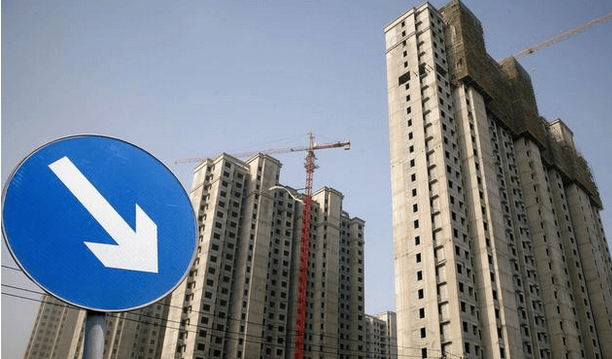
高楼将停建?确定了:住宅实施新标准,未来两类房子吃香了
Sou Hu Cai Jing· 2025-10-22 06:12
Core Insights - There is a significant shift in homebuyer preferences from high-rise buildings to multi-story residences, with the proportion of buyers choosing multi-story homes increasing from 18.5% in 2018 to 29.8% in 2020, while high-rise purchases dropped from 57.8% to 36.5% [1][3] Group 1: Reasons for Preference Shift - High-rise buildings typically have larger shared areas, reducing actual usable space, while multi-story homes offer better cost-effectiveness due to smaller shared areas [3] - High-rise buildings often have higher plot ratios, leading to narrower spacing between buildings, which negatively impacts ventilation and lighting [3] - The risk of emergencies, such as fires or earthquakes, poses significant challenges for high-rise residents, particularly if elevators fail [3] - The difficulty and high costs associated with the demolition of high-rise buildings, especially in lower-tier cities, may lead to a decline in their value over time [5] Group 2: Government Actions - The Ministry of Housing and Urban-Rural Development and the National Development and Reform Commission have issued guidelines to limit the construction of super-tall buildings, with a focus on restricting new buildings over 250 meters and requiring thorough justification for buildings over 100 meters [5][6] - A joint opinion from multiple government departments emphasizes that new residential buildings in county towns should primarily be six stories or lower, with a minimum of 70% of new residential area being six stories or below [8] - New regulations require that any new super-tall buildings in cities with populations under 3 million must undergo strict approval processes, indicating a significant reduction in the number of new high-rise constructions [10] Group 3: Future Housing Trends - The demand for newly constructed multi-story residences is expected to rise due to their advantages, including lower shared areas, better cost-effectiveness, improved green space, and enhanced safety [11] - Renovated older neighborhoods are also gaining popularity, as these properties often have prime locations and upgraded amenities, making them attractive to homebuyers [11]