住宅楼层选择

Search documents
从40层搬到3楼,我换来了生活的烟火气
Sou Hu Cai Jing· 2026-02-27 14:42
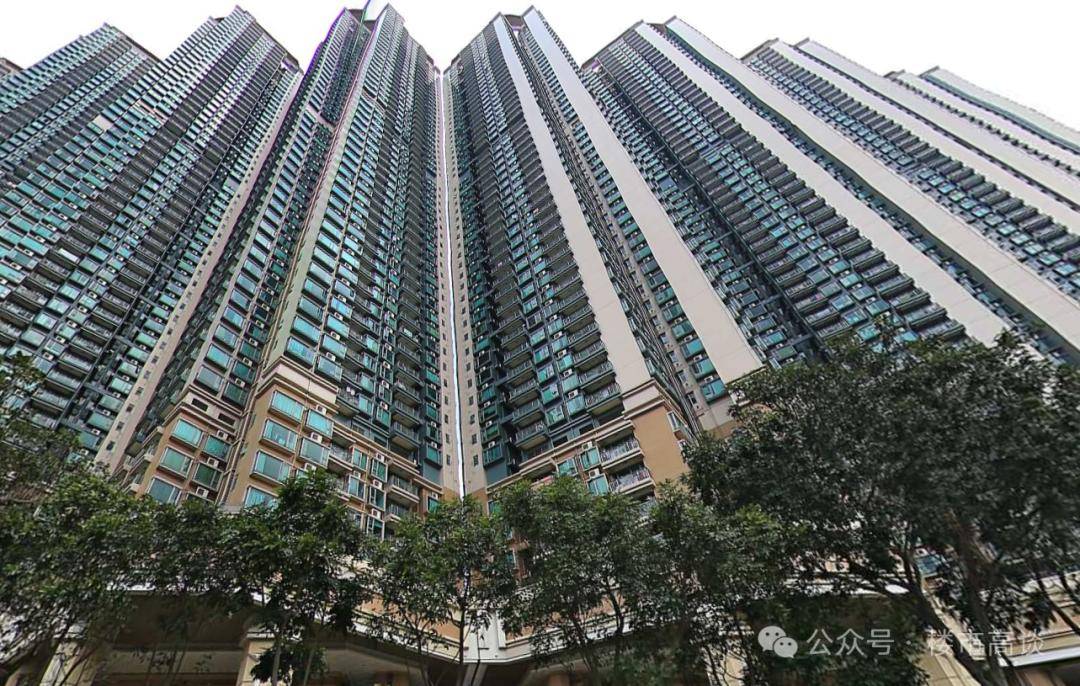
我卖掉两套房换来的教训:别被"高层景观"忽悠了 去年做了个让周围人都觉得不可思议的决定——把手里一套步梯顶楼复式和一套总高40层的16楼住宅全卖了,二换一,换了套总高只有八层的三楼。朋友都 说我疯了,从"俯瞰全城"到"接地气",这不是降级是什么?但住进新家这半年,每天早晨被窗外的鸟叫唤醒,坐在客厅就能看见银杏叶从绿变黄,我才真正 体会到什么叫"生活在房子里",而不是"住在水泥格子里"。 先说说那套让我又爱又恨的16楼。 当初买它的时候,销售指着沙盘上那栋最南边的楼说:"这可是楼王位置,视野无敌。"我信了。建面95平,房产证上看着挺宽敞,实际到手套内只有74平。 公摊吃掉了整整21平,相当于少了一个房间。房子格局显得特别局促,明明南北通透的户型,却因为面积缩水,每个房间都小得转不开身。后来我才明白, 高层住宅的公摊就是这么残酷——两梯四户的配置,长长的走廊、宽敞的电梯厅,每户都在为这些公共区域买单。 最折磨人的是电梯。总高40层,一单元160户,算算平均每户三口人,早晚高峰近五百人共用两部电梯。我住在16层,属于不上不下的尴尬位置。早上七点 半出门,电梯从顶楼下来,几乎每层都停,等到了我这层,里面已经挤得像沙丁 ...


换房3次才摸清的门道:这6个楼层越住越舒服,妥妥的黄金楼层
Sou Hu Cai Jing· 2025-11-25 02:25
买房选楼层,真得自己住过才知道门道。前两年我跟着工作变动换了 3 次房,第一次图便宜选了高层低区 2 楼,潮湿不说,楼下商铺噪音、行人说话声昼夜 不停;第二次跟风买了 33 层顶楼,夏天暴晒得空调 24 小时不停,遇到停电爬楼直接崩溃;第三次精挑细选后才明白,选楼层不用追热门、不用听售楼顾问 的 "套路话",找对适合自己的才是关键。历经 3 次换房的折腾,我总结出 6 类 "宝藏楼层",住着舒心不说,后期转手也不愁,今天就用大白话跟大家好好 聊聊。 一、顶楼复式带露台:告别 "顶楼焦虑",解锁空中花园 一提顶楼,很多人第一反应就是 "避雷":夏天暴晒、冬天严寒,还怕漏水渗水,后期维修麻烦。但现在的顶楼,早就不是当年的 "烫手山芋" 了,尤其是带 露台的复式户型,妥妥的 "宝藏房源"。 我朋友就入手了一套顶楼复式,原本 120 平的房子,现浇拓展出二层空间,实用面积直接翻倍。最让人惊喜的是超大露台,闲暇时种上月季、多肉,打造一 个小花园;周末约上朋友,在露台上烤肉喝茶,抬头就是蓝天,晚上还能躺着看星星,比去景区度假还惬意。而且顶楼完全不用担心楼上邻居的噪音干扰, 没有小孩跑跳、没有家具挪动的声响,清净得不像话。 ...
风向变了,越来越多的人搬回低层,高层住宅越来越难卖了!
Sou Hu Cai Jing· 2025-10-14 18:14
Core Viewpoint - There is a significant shift in residential preferences, with more people moving from high-rise apartments to low-rise homes, indicating a decline in the desirability of high-rise living [1][11]. High-rise Residential Market - High-rise apartments, once seen as prestigious, are now struggling to sell, with a 45% market share for mid-rise (6-11 floors) in new residential sales as of mid-2025 [3][9]. - A real estate agent noted that high-rise listings are often met with reluctance, and properties may require significant price reductions to sell [3][9]. Challenges of High-rise Living - High-rise living presents three main challenges: 1. **Elevator Dependency**: High-rise residents face significant inconvenience when elevators malfunction, with complaints about elevator issues being four times higher than in low-rise buildings [4]. 2. **Water Pressure and Quality**: High-rise buildings often experience inadequate water pressure and potential water quality issues due to secondary water supply systems [4]. 3. **Safety Concerns**: High-rise buildings pose challenges during emergencies, such as fires, where escape routes may be limited [4]. Low-rise Residential Market - Low-rise homes are gaining popularity due to their advantages: 1. **Convenience**: Residents can easily access their homes without waiting for elevators, making them more suitable for families with children or elderly members [7]. 2. **Affordability**: Low-rise properties generally have lower prices compared to high-rises, allowing families to allocate savings for other expenses [7]. 3. **Safety and Peace of Mind**: Low-rise living offers quicker escape routes during emergencies, enhancing residents' sense of security [7]. Future Trends - The market is shifting towards low-density, low-rise housing, which is expected to become increasingly desirable. This trend reflects a preference for practical living over status symbols [9][11]. - Data indicates that low-rise projects are performing well in major cities, with a notable increase in demand for properties that prioritize living experience [9]. Recommendations for Homebuyers - For those with limited budgets, it is advisable to consider mid-rise options around 10 floors to balance noise and elevator dependency [9]. - Families with elderly or young children should prioritize low-rise options below 6 floors for convenience and safety [9].