低层住宅

Search documents
风向变了,越来越多的人搬回低层,高层住宅越来越难卖了!
Sou Hu Cai Jing· 2025-10-14 18:14
Core Viewpoint - There is a significant shift in residential preferences, with more people moving from high-rise apartments to low-rise homes, indicating a decline in the desirability of high-rise living [1][11]. High-rise Residential Market - High-rise apartments, once seen as prestigious, are now struggling to sell, with a 45% market share for mid-rise (6-11 floors) in new residential sales as of mid-2025 [3][9]. - A real estate agent noted that high-rise listings are often met with reluctance, and properties may require significant price reductions to sell [3][9]. Challenges of High-rise Living - High-rise living presents three main challenges: 1. **Elevator Dependency**: High-rise residents face significant inconvenience when elevators malfunction, with complaints about elevator issues being four times higher than in low-rise buildings [4]. 2. **Water Pressure and Quality**: High-rise buildings often experience inadequate water pressure and potential water quality issues due to secondary water supply systems [4]. 3. **Safety Concerns**: High-rise buildings pose challenges during emergencies, such as fires, where escape routes may be limited [4]. Low-rise Residential Market - Low-rise homes are gaining popularity due to their advantages: 1. **Convenience**: Residents can easily access their homes without waiting for elevators, making them more suitable for families with children or elderly members [7]. 2. **Affordability**: Low-rise properties generally have lower prices compared to high-rises, allowing families to allocate savings for other expenses [7]. 3. **Safety and Peace of Mind**: Low-rise living offers quicker escape routes during emergencies, enhancing residents' sense of security [7]. Future Trends - The market is shifting towards low-density, low-rise housing, which is expected to become increasingly desirable. This trend reflects a preference for practical living over status symbols [9][11]. - Data indicates that low-rise projects are performing well in major cities, with a notable increase in demand for properties that prioritize living experience [9]. Recommendations for Homebuyers - For those with limited budgets, it is advisable to consider mid-rise options around 10 floors to balance noise and elevator dependency [9]. - Families with elderly or young children should prioritize low-rise options below 6 floors for convenience and safety [9].

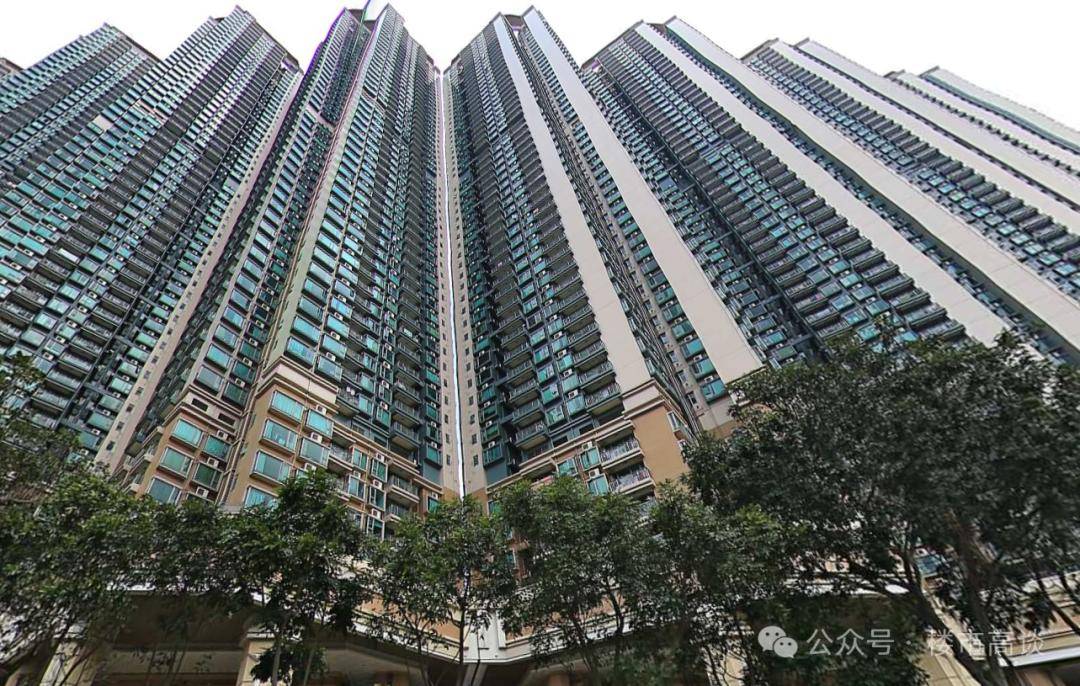
后悔买了28楼,果断卖掉换2楼,心踏实了,来看看高楼层的5大硬伤
Sou Hu Cai Jing· 2025-10-05 10:20
Core Viewpoint - The article discusses the disadvantages of living in high-rise buildings, highlighting the challenges faced by residents and suggesting that lower floors may offer a more comfortable and convenient living experience [1][12]. Group 1: Key Disadvantages of High-Rise Living - High reliance on elevators, with average malfunction rates of 8-12 times per year, leading to significant inconvenience during outages [3][4]. - Increased wind pressure at higher elevations, with wind speed rising by over 25% and pressure increasing by approximately 40% above 20 floors, causing noise and potential water leakage issues [4][8]. - Water pressure instability, particularly during peak usage times, resulting in inadequate water flow for daily activities [7][8]. - Poor insulation and energy efficiency, with high-rise buildings consuming 15-30% more energy than lower ones, leading to higher utility bills [8][12]. - Greater safety risks, especially for families with children and elderly members, as high-rise buildings have a threefold higher casualty rate in fires compared to lower buildings [9][12]. Group 2: Market Trends and Preferences - A growing recognition among homebuyers of the advantages of lower floors, with properties between 3-6 floors commanding a 5-10% higher price in the second-hand market [12]. - The importance of selecting a living space that aligns with personal lifestyle and family needs, suggesting that lower floors may be more suitable for families with children and elderly members [12].