住房调控解决方案

Search documents
住房数量已过剩,老百姓仍买不起房,如何解决?解决方案来了
Sou Hu Cai Jing· 2025-09-14 11:47
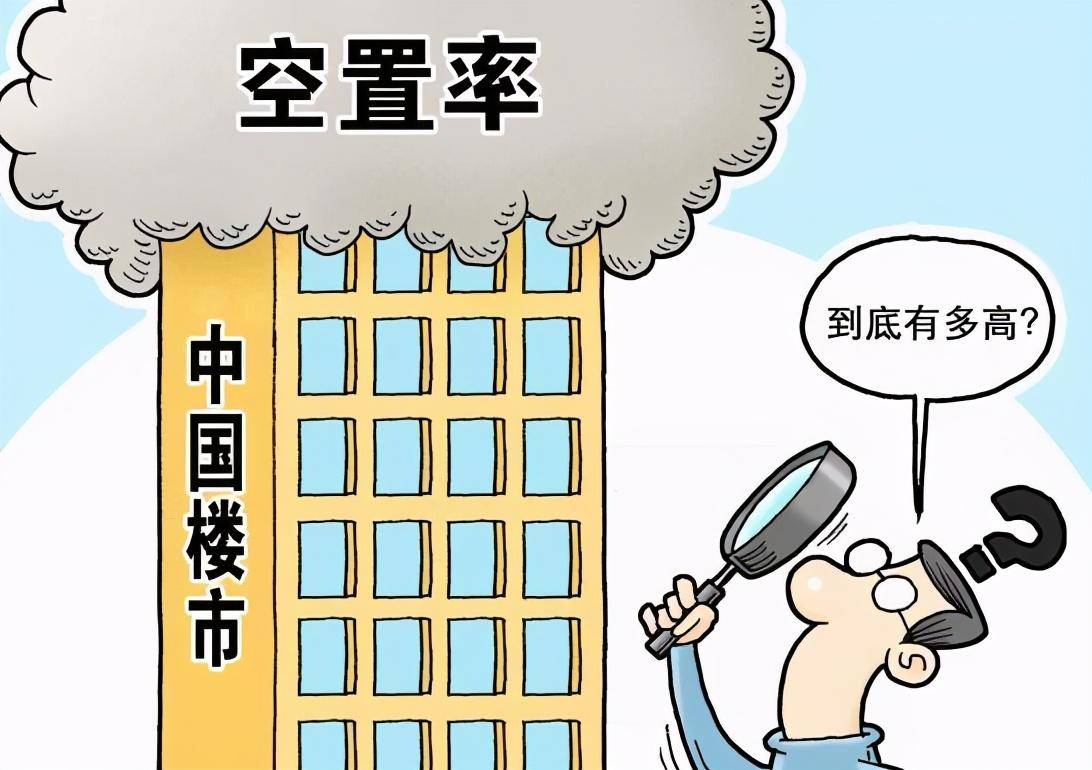
Core Insights - The article highlights the paradox of housing surplus and affordability issues in China, indicating a mismatch between housing supply and demand, as well as income levels [1][2][5]. Housing Supply and Demand - As of 2025, the total urban housing area in China reached 3.3 billion square meters, with an average of 1.15 housing units per household, indicating an oversupply [1]. - The national vacancy rate for commercial housing was 17.3% as of June 2025, an increase of 2.1 percentage points from the same period in 2024 [1]. Distribution and Structural Issues - Housing demand is concentrated in first- and second-tier cities, with a vacancy rate of only 8.7%, while third- and fourth-tier cities face a high vacancy rate of 22.5% [4]. - There is a disproportionate supply of large and high-end housing, with only 23% of housing units being smaller than 70 square meters, which are more suitable for young and middle-income families [4]. - The average price of commercial housing reached 11,723 yuan per square meter in the first half of 2025, while the average disposable income for urban residents was 25,876 yuan per half year, requiring 10.5 years of income to afford a 90-square-meter unit [4]. Causes of the Housing Market Imbalance - The reliance on land finance has led local governments to maintain high land prices, contributing to elevated housing prices [6]. - The perception of real estate as a primary investment vehicle has resulted in 21.3% of urban households owning multiple properties, further inflating prices [6]. - Urban development disparities have caused population concentration in major cities, driving up prices in those areas while leaving properties in smaller cities vacant [7]. - Financial leverage through low down payments and interest rates has allowed buyers to purchase beyond their means, indirectly raising housing prices [8]. Proposed Solutions - Development of a long-term rental market to shift societal perceptions about renting and enhance legal protections for tenants [11]. - Adjusting housing supply to increase the proportion of smaller units to meet the needs of diverse demographic groups [12]. - Implementation of shared ownership housing models to lower entry barriers for homebuyers [14]. - Activation of existing vacant housing through policies like vacancy taxes and support for elderly housing resources [15]. - Expansion of affordable housing initiatives, with a target of adding 5 million units over the next five years [17]. - Exploration of "rent-to-own" models to reduce purchasing risks for first-time buyers [18]. - Differentiated regulatory approaches tailored to the specific housing challenges faced by different cities [19]. Long-term Reforms - Breaking the dependency on land finance to disrupt the cycle of high land and housing prices [20]. - Changing the perception of housing as the sole appreciating asset to encourage investment in diverse sectors [21]. - Promoting balanced urban development to mitigate population concentration in major cities [22]. Individual Strategies - Encouraging a rational approach to home buying, focusing on actual needs rather than speculative investments [24]. - Advocating for diversified asset allocation to reduce risk and enhance returns [25]. - Flexibility in housing choices based on personal financial situations and lifestyle needs [26]. - Staying informed about policy changes to leverage potential housing benefits [27].