
体态焦虑

Search documents
打工人的三十岁,开始靠健身解决体态问题
虎嗅APP· 2025-10-17 13:42
Core Viewpoint - The article discusses the increasing prevalence of posture-related issues among working individuals in their 30s, highlighting the connection between sedentary lifestyles and physical discomfort, as well as the rising demand for fitness solutions to address these problems [4][11][12]. Summary by Sections Posture Issues and Trends - Many individuals aged 30 and above are experiencing posture problems such as rounded shoulders, scoliosis, and pelvic tilt, often leading to pain management concerns [4][10]. - The most popular fitness courses among users aged 24 to 44 focus on relaxation and stretching, indicating a shift towards addressing discomfort rather than calorie burning or muscle building [4][6]. Market Response and Consumer Behavior - The rise of posture correction products and services, such as back braces, has seen significant sales, particularly through platforms like Douyin, where purchases have reached over 1 billion [6][8]. - The massage industry has also flourished, with over 16,000 massage establishments in Shanghai alone, catering to the growing demand for pain relief among young professionals [8][9]. Impact of Sedentary Lifestyle - A survey by the National Sports General Administration in 2022 revealed that over 5 million youths in China suffer from posture abnormalities, while chronic pain patients exceed 300 million, with a yearly increase of 10 to 20 million [9][10]. - The article emphasizes that poor posture is often a result of long-term bad habits rather than age, with many individuals developing issues due to their work environments and lifestyle choices [12][13]. Fitness Solutions and Industry Growth - The fitness industry is responding to the demand for posture improvement, with many trainers and influencers offering specialized programs aimed at correcting posture-related issues [14][15]. - The article suggests that while exercise can help alleviate pain and improve posture, long-term maintenance requires consistent effort and self-care [17][18]. Conclusion - The article concludes that while posture issues are common and often not severe, they should not be ignored. Engaging in physical activity remains an effective method for addressing these concerns [20].

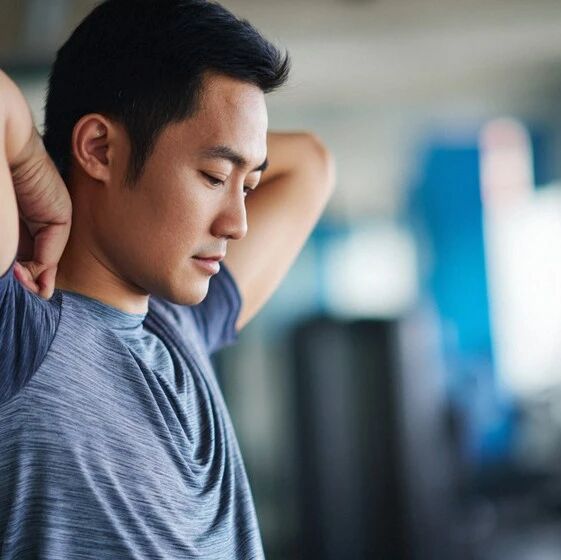
打工人的三十岁,开始靠健身解决体态问题
Hu Xiu· 2025-10-16 23:31
Core Insights - The article highlights the increasing prevalence of posture-related issues among workers in their 30s, driven by sedentary lifestyles and the resulting physical discomfort [1][6][16] - There is a growing trend towards "posture anxiety," with various corrective products and fitness programs emerging to address these concerns [5][9][23] Group 1: Posture Issues and Trends - Common posture problems include rounded shoulders, hunching, and pelvic tilt, which are becoming more recognized among the workforce [17][18][21] - The popularity of "relaxation and stretching" courses among individuals aged 24-44 indicates a shift in fitness preferences towards pain management rather than traditional muscle building [2][4] - The rise of social media influencers and fitness coaches focusing on posture correction reflects a burgeoning market for posture improvement solutions [4][24] Group 2: Market Demand and Consumer Behavior - The massage industry is thriving, with over 16,000 massage establishments in Shanghai alone, catering to the demand for pain relief and relaxation [9][10] - Young consumers, particularly those born after 1985, are driving the sales of massage devices, indicating a shift in consumer spending towards health and wellness products [10][11] - The fitness industry is adapting to these needs, with gyms and trainers offering specialized programs aimed at correcting posture and alleviating pain [27][29] Group 3: Long-term Implications and Solutions - The article suggests that while exercise can help improve posture, long-term maintenance requires consistent effort and self-care [28][30] - It emphasizes the importance of recognizing that not all posture issues are severe, and some may not require immediate intervention [26][32] - The narrative around posture improvement is evolving, with a focus on balancing awareness of body mechanics and the potential for over-commercialization of posture-related concerns [32][33]