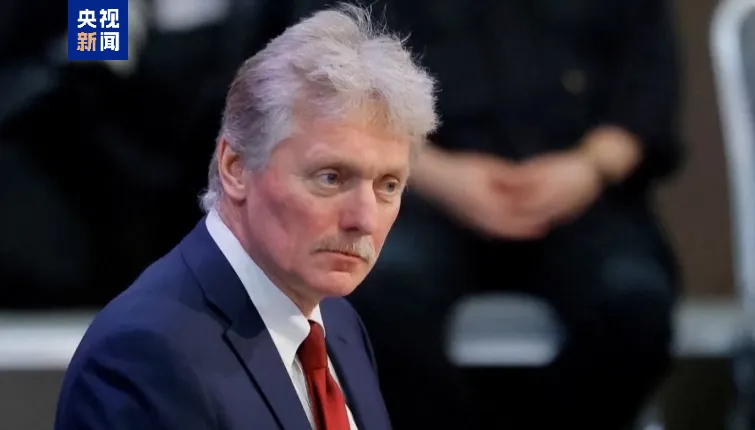
俄乌冲突解决

Search documents
俄美乌还有哪些问题没谈拢
Xin Lang Cai Jing· 2026-02-01 19:22
Core Viewpoint - The recent trilateral talks in Abu Dhabi involving Russia, Ukraine, and the United States mark a significant attempt to explore a political resolution to the ongoing conflict, although no joint statement or specific consensus was reached [1] Group 1: Meeting Structure and Outcomes - The talks were structured in a "dual-track" format, with separate military and political discussion groups [1] - Initial discussions were exploratory, followed by focused negotiations on military and political issues [1] - Military discussions included technical issues related to conflict de-escalation, such as frontline troop disengagement and establishing ceasefire monitoring mechanisms [1] Group 2: Key Issues Discussed - Sensitive topics included the future status of the Donbas region and arrangements for the Zaporizhzhia nuclear power plant [1] - Russia emphasized the withdrawal of Ukrainian forces from Donbas as a crucial condition for mediation [1] - Ukraine insisted that any discussions on territorial issues should be based on current control lines [1] Group 3: Security Concerns - Security guarantees emerged as a critical unresolved issue, with Ukraine seeking concrete security measures while Russia expressed concerns over potential threats [1] - The U.S. proposed a framework for necessary security conditions for peace, although details remain undisclosed [1] Group 4: Future Negotiations - Both Russia and Ukraine expressed willingness to continue dialogue, indicating a potential for a "dense negotiation phase" ahead [1] - The role and stance of the U.S. in the negotiations could introduce uncertainties, particularly regarding sanctions and asset discussions [1] - The complexity of the issues involved suggests that significant breakthroughs are unlikely in the early stages of negotiation [1]
俄美乌首次三方会谈:俄乌“只剩”哪个问题?
Xin Lang Cai Jing· 2026-01-25 22:24
Core Viewpoint - The first trilateral talks involving representatives from Russia, the United States, and Ukraine concluded in Abu Dhabi, marking the first direct contact between Russia and Ukraine since the escalation of the conflict in February 2022. The discussions touched on several substantive issues, but no joint statement or concrete consensus was reached, indicating ongoing differences, particularly regarding territorial disputes [1][2][3]. Group 1: Meeting Details - The talks were divided into two phases, with preliminary discussions on the 23rd and negotiations on political and military issues on the 24th [2]. - Military representatives from both Russia and Ukraine participated, with discussions potentially yielding progress on security conditions necessary to end the war. A list of topics for future discussions was established [2]. - Key issues included the establishment of buffer zones and monitoring mechanisms, as well as a potential ceasefire concerning energy facilities [2]. Group 2: Territorial Disputes - The territorial issue remains a significant point of contention, with both sides expressing stark differences. The U.S. envoy indicated that only one issue remains to be resolved, which is believed to be related to territorial claims [3]. - Ukrainian President Zelensky emphasized that the territorial question is a critical agenda item, while Russian officials stated that resolving this issue is essential for any long-term agreement [3]. - Experts suggest that both sides are not prepared to compromise on territorial matters, particularly concerning the Donbas region, indicating a stalemate in negotiations [3]. Group 3: Future Negotiations - The trilateral talks are expected to continue next week in Abu Dhabi, with analysts suggesting that this could initiate a complex and lengthy negotiation process [5]. - Despite the potential for dialogue, ongoing military actions between the two sides continue, complicating the prospects for peace [5]. - Experts caution that while the talks represent a diplomatic effort, significant disagreements on key issues will likely hinder the achievement of a peace agreement [5].
国际观察|俄美乌首次三方会谈:俄乌“只剩”哪个问题?
Xin Lang Cai Jing· 2026-01-25 12:06
Core Viewpoint - The first trilateral talks involving Russia, the United States, and Ukraine took place in Abu Dhabi, marking the first direct contact since the escalation of the Russia-Ukraine conflict in February 2022. The discussions did not result in a joint statement or specific agreements, but touched on several substantive issues, indicating a potential positive development [1][6]. Group 1: Meeting Details - The talks were divided into two phases, with preliminary discussions on January 23 and negotiations on January 24, focusing on political and military aspects [2][7]. - Ukrainian President Zelensky mentioned that the U.S. proposed a "possible solution" regarding the conditions for ending the war, and military representatives established a list of topics for future discussions [2][7]. - The meeting included high-ranking military officials from both Russia and Ukraine, indicating a serious approach to military discussions [2][7]. Group 2: Key Issues Discussed - The discussions covered critical technical issues, differing from previous negotiations that only addressed prisoner exchanges and the return of soldiers' remains [3][8]. - Territorial issues, particularly concerning the Donbas region and the Zaporizhzhia nuclear power plant, were highlighted as key topics, with both sides showing significant disagreement [4][9]. - The Russian side emphasized the withdrawal of Ukrainian forces from the Donbas as a crucial condition for mediation, while Ukraine maintained that the Donbas issue is central to the negotiations [4][9]. Group 3: Future Negotiation Outlook - The trilateral talks are expected to continue next week in Abu Dhabi, potentially leading to a complex and lengthy negotiation process [5][10]. - Experts suggest that while the talks represent a positive start towards resolving the conflict, the ongoing military actions and significant differences on key issues may hinder progress [5][10]. - The situation remains fluid, with both sides likely to continue military engagements while negotiating, as they seek to gain leverage in the discussions [5][10].
普京与特朗普连续第二天通话,乌无人机袭击普京官邸令特朗普震惊
Xin Hua Cai Jing· 2025-12-30 00:18
Core Viewpoint - The recent phone conversations between Russian President Putin and U.S. President Trump highlight escalating tensions following a drone attack on Putin's residence, with both leaders discussing the implications for U.S.-Ukraine relations and conflict resolution efforts [1][2]. Group 1: Phone Conversations - Putin and Trump had consecutive phone calls, with Trump briefing Putin on his meeting with Ukrainian President Zelensky [1] - The discussions emphasized the need for Ukraine to take concrete measures to resolve the conflict rather than seeking temporary ceasefires [1] - Trump expressed shock at the drone attack on Putin's residence, indicating it would affect U.S. cooperation with Ukraine [2] Group 2: Reactions to the Drone Attack - Trump described the drone attack as a "madness" and noted the timing was inappropriate for such actions [2] - Zelensky denied the allegations of the drone attack, claiming they were fabricated by Russia to undermine Ukraine's cooperation with the U.S. [2] - Russian officials indicated that the drone attack would lead to a reassessment of previous negotiations and positions [1]
特朗普称俄乌“接近达成协议”,不排除三方会晤
21世纪经济报道· 2025-12-28 23:14
Core Viewpoint - The discussions between the U.S. and European leaders regarding the Russia-Ukraine conflict have made significant progress, with nearly 95% of key issues addressed, indicating a potential agreement is close [1] Group 1 - The U.S. has communicated with leaders from the UK, Germany, NATO, and the EU, describing the exchanges as "very smooth" [1] - President Trump emphasized that the negotiations have reached a stage that is "very close to reaching an agreement" [1] - Key issues remain unresolved, particularly concerning the Donbas region, which requires further negotiation [1] Group 2 - Trump mentioned that there are still "one or two very tricky issues" in the negotiations, but the overall direction is positive [1] - The U.S.-Ukraine security arrangements are reported to be "about 95% complete," although Trump refrained from overemphasizing specific percentages [1] - A potential trilateral meeting involving Trump, Putin, and Zelensky is not ruled out, depending on the timing and necessity to facilitate an agreement [2]


大外交|“好事多磨”的德国外长访华之行:在与中方互动中寻求稳定性
Xin Lang Cai Jing· 2025-12-09 13:52
Group 1 - The visit of German Foreign Minister Baerbock to China from December 8 to 9 is a reciprocal trip following Wang Yi's visit to Germany in July, emphasizing the continuation of dialogue between the two countries [1][13] - Baerbock's visit, initially scheduled for October 26 but postponed for six weeks, highlights the importance of direct and in-depth dialogue with China amid a complex international situation [2][4] - The high-level meetings during Baerbock's visit, including discussions with Vice President Han Zheng and other key officials, reflect both sides' commitment to enhancing communication and addressing differences while seeking cooperation [2][8] Group 2 - The delegation led by Baerbock includes significant representatives from various German political parties and the economic sector, indicating the new German government's recognition of China's critical role in European and global affairs [3][15] - Baerbock's visit aims to pave the way for German Chancellor Merz's upcoming visit to China, highlighting the need for increased high-level exchanges between Germany and China [5][18] - Recent high-level interactions between Germany and China, including discussions on economic and geopolitical issues, aim to stabilize and deepen bilateral relations [19] Group 3 - The discussions during Baerbock's visit focused on key issues such as economic cooperation, rare earth elements, and the Ukraine crisis, with both sides exchanging views on potential solutions [6][9] - The German industrial sector is closely monitoring the outcomes of this visit, particularly in light of Germany's economic challenges and the need to rebalance its economic relationship with China [21][24] - Baerbock expressed concerns about China's overcapacity while emphasizing that Germany does not fundamentally pursue protectionist policies, indicating a cautious approach to trade relations [10][24][25]

俄乌突发!普京宣布停火条件
Zheng Quan Shi Bao· 2025-11-29 02:05
Group 1 - President Putin announced that a ceasefire with Ukraine can only be declared if Ukrainian forces withdraw from territories claimed by Russia [1][2] - Moscow has ruled out the possibility of a frozen conflict or unconditional ceasefire, believing it would allow Ukraine and its Western supporters to regroup [2] - Putin reiterated that military means will be employed to achieve withdrawal if Ukraine does not comply, without specifying the regions involved [2] Group 2 - Putin expressed appreciation for Hungary's balanced stance on the Ukraine issue and indicated a willingness to discuss solutions [3] - Hungary is experiencing significant economic losses due to the conflict and is willing to provide a platform for negotiations [3] - The bilateral trade between Russia and Hungary decreased by 23% last year but has seen a 7% recovery this year [4] Group 3 - The Russian presidential press secretary, Peskov, stated that negotiations regarding Ukraine are currently only taking place with the United States [5] - The U.S. and Ukraine recently held talks in Geneva, where a new plan to resolve the crisis was modified from 28 points to 19 [5] - Peskov emphasized that Russia prefers not to discuss the resolution of the Ukraine issue through public statements or extensive publicity [6]
突然 特朗普又“改口”了
Zhong Guo Ji Jin Bao· 2025-11-08 01:51
Group 1 - The core viewpoint is that President Trump expresses a desire to continue discussions with President Putin in Budapest regarding the Russia-Ukraine conflict and other issues [1][2][3] - Trump and Hungarian Prime Minister Orban believe that the Russia-Ukraine conflict will end soon [2][3] - Discussions between Trump and Orban are expected to cover trade, energy, and the situation in Ukraine [3] Group 2 - Following a phone call on October 16, Trump announced a planned meeting with Putin in Budapest, which was later canceled due to concerns about the lack of productive outcomes [3] - Russian presidential aide Ushakov indicated that while the timing of the meeting remains unclear, there is still interest in holding it [3][6] - Kremlin spokesperson Peskov noted that mutual distrust between Russia and Ukraine is a significant barrier to resolving the crisis [5]
“特普会” 最新消息→
Zheng Quan Shi Bao· 2025-11-08 01:32
Core Points - Trump expresses hope to continue discussions with Putin in Budapest, indicating ongoing interest in a meeting between the two leaders [1][5] - Trump and Hungarian Prime Minister Orban believe that the Russia-Ukraine conflict will end soon [2][3] - The Kremlin acknowledges the lack of mutual trust between Russia and Ukraine as a significant barrier to resolving the crisis [4] Group 1 - Trump is in discussions about a potential meeting with Putin in Budapest, which is still being planned [1][5] - The Kremlin has not commented on Trump's claims regarding progress in resolving the Russia-Ukraine conflict [3][4] - Despite the postponement of the planned meeting, both sides maintain interest in holding it in Budapest [5] Group 2 - The discussions between Trump and Orban are expected to cover trade, energy, and the situation in Ukraine [3] - The timeline for a potential meeting between Trump and Putin remains unclear, but the willingness to meet still exists [5]
“俄乌冲突将在不久的将来结束”!特朗普又“改口”了:还是希望和普京见
Hua Xia Shi Bao· 2025-11-08 00:39
Group 1 - The core viewpoint of the articles revolves around the ongoing discussions regarding a potential meeting between US President Trump and Russian President Putin in Budapest, Hungary, with a focus on the resolution of the Russia-Ukraine conflict [1][2][4] - Trump expressed optimism that the Russia-Ukraine conflict would end soon, aligning with Hungarian Prime Minister Orban's views during their meeting [1] - Despite the postponement of the planned meeting, both the US and Russia still show interest in holding a summit, emphasizing the need for careful preparation [4]