伊斯坎德尔导弹

Search documents
泽连斯基:俄对乌发动大规模空袭
Xin Lang Cai Jing· 2026-02-26 13:33
Core Points - The article reports on a large-scale airstrike by Russia on Ukraine, involving 420 drones and 39 missiles, including 2 Zircon hypersonic missiles [1] - The airstrike affected 8 regions in Ukraine, causing damage to gas infrastructure, industrial facilities, and power lines, resulting in power outages for nearly 20,000 households [1] - Ukrainian air defense successfully intercepted 406 out of 459 aerial targets, including 2 Zircon missiles, 4 Iskander missiles, and over 374 drones [1] - A trilateral meeting took place in Geneva between Russia, the US, and Ukraine, but no documents were signed, with further bilateral talks scheduled [1]
俄称控制四村镇 乌称港口铁路遭袭
Xin Hua She· 2026-02-14 06:55
Core Insights - The Russian Defense Ministry reported that Russian forces have controlled or occupied four villages in Ukraine over the past week, while Ukrainian officials reported drone attacks on Odesa, resulting in casualties [1][2]. Group 1: Military Actions - From February 7 to 13, Russian forces conducted a series of intensive strikes using various weapons against Ukrainian positions, including six group attacks targeting military industrial enterprises, energy and transportation facilities, ammunition depots, military airports, and drone production sites [1]. - Russian forces have reportedly captured two villages in Kharkiv and Sumy regions, specifically Chuhunivka and Sydorivka, and one village in Zaporizhzhia region, Zaliznychne [1]. - During the same period, Russian air defense systems intercepted multiple Ukrainian missiles and drones, including five Ukrainian "Firebird" cruise missiles, 28 guided aerial bombs, 39 rockets from the U.S. "HIMARS" system, four Ukrainian "Neptune" missiles, and 1,243 fixed-wing drones [1]. Group 2: Casualties and Damage - The drone attack on Odesa resulted in one death and six civilian injuries, damaging port facilities, fertilizer warehouses, and transportation vehicles [2]. - In Dnipropetrovsk region, Russian forces targeted railway facilities with drones, but there were no casualties or impact on railway operations [2]. - The Ukrainian State Emergency Service reported that the attacks led to significant damage to energy, residential, and industrial facilities in Odesa, with several high-rise residential buildings directly hit [2].
俄称控制四村镇 乌称港口铁路遭袭
Xin Hua She· 2026-02-14 03:27
Group 1 - The Russian Defense Ministry reported that Russian forces have controlled or occupied four villages in Ukraine over the past week [1] - Ukrainian officials confirmed that a drone attack by Russian forces on a port in Odesa resulted in one death and six injuries [2] - The Russian military conducted a series of strikes using various weapons, targeting military industrial enterprises, energy and transportation facilities, and military bases [1] Group 2 - Russian forces have claimed control of two villages in Kharkiv and Sumy regions, and one village in Zaporizhzhia [1] - Ukrainian emergency services reported damage to energy, residential, and industrial facilities due to Russian attacks, with several high-rise buildings directly hit [2] - The Ukrainian Air Force intercepted 111 out of 154 attacking drones launched by Russia during the same period [2]
乌克兰称俄罗斯空袭乌多地 30万人断水断电
Yang Guang Wang· 2026-02-13 01:29
Group 1 - The Russian Ministry of Defense reported a large-scale strike against Ukrainian energy infrastructure and drone production sites in response to attacks on Russian civilian facilities, with all designated targets hit [1] - Ukrainian President Zelensky stated that Russia launched a massive airstrike involving 25 missiles, including "Iskander" missiles, and 219 drones against multiple Ukrainian cities [1] - The Ukrainian State Emergency Service reported damage to energy and electricity infrastructure due to Russian airstrikes, including significant damage to a key substation in Odesa, affecting approximately 300,000 residents with water and power outages [1]
30万人停水断电!俄军深夜空袭乌克兰,多地能源设施遭重创
Sou Hu Cai Jing· 2026-02-12 14:38
Core Points - A large-scale airstrike hit multiple cities in Ukraine, resulting in at least 2 deaths and over 10 injuries, with significant damage to critical infrastructure, particularly in Odesa [1][3] - The Ukrainian Air Force reported that while most missiles and drones were intercepted, several targets, especially energy and power infrastructure, were hit, leading to severe disruptions in services for approximately 300,000 residents [3][5] - Ukrainian President Zelensky condemned the attacks as barbaric and called for increased international support, emphasizing the challenges posed by the damage to energy facilities [4] Summary by Sections Airstrike Impact - The airstrike involved 25 missiles and 219 drones targeting cities like Kyiv, Kharkiv, Dnipro, and Odesa, causing significant casualties and infrastructure damage [1] - Odesa's key transformer station was severely damaged, leaving around 300,000 residents without water and electricity, while thousands in Dnipro and Kyiv also faced heating disruptions [3] Response and Recovery Efforts - Ukrainian emergency services are actively working to repair the damaged infrastructure, but the extent of the destruction makes recovery timelines uncertain [5] - Local governments are distributing essential supplies like drinking water and food, and setting up temporary shelters for displaced residents [5] International Reactions - The international community, including the UN, EU, and the US, condemned the airstrikes and expressed concern for the humanitarian situation, pledging continued military and humanitarian support to Ukraine [4]

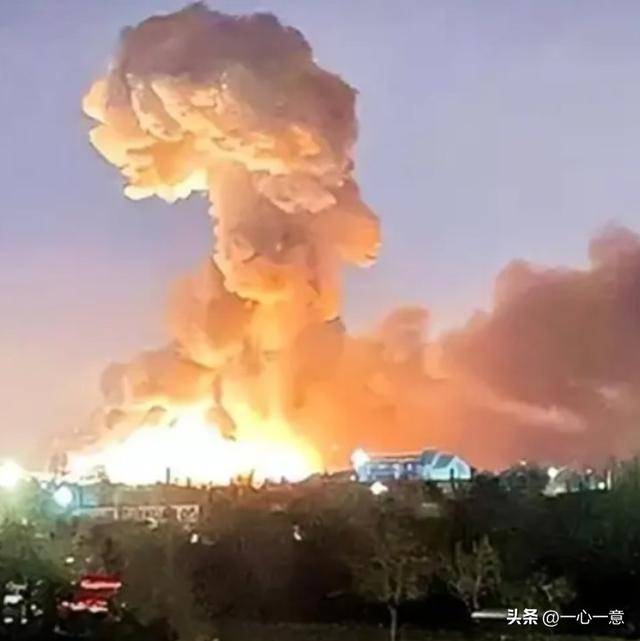
俄大规模打击乌军工设施
Xin Lang Cai Jing· 2026-01-13 18:48
Core Viewpoint - The UK is developing a new land-based tactical ballistic missile to enhance Ukraine's long-range strike capabilities in response to ongoing military actions by Russia, including the use of advanced hypersonic missiles against Ukrainian military facilities [4][5]. Group 1: Russian Military Actions - On January 12, Russia announced the use of "Zircon" hypersonic missiles and other precision weapons to target Ukrainian aircraft repair plants and military facilities [3]. - The Russian Defense Ministry reported that the "Zircon" missile struck the Lviv State Aircraft Repair Plant, crippling its operations, which include maintenance of Ukrainian military aircraft and production of drones for long-range attacks [3]. - The strikes also targeted drone assembly facilities in Kyiv and energy infrastructure supporting the Ukrainian military industrial complex [3]. Group 2: UK Missile Development - The UK Ministry of Defence announced plans to develop a new land-based tactical ballistic missile under the "Nightfall Project," aimed at providing Ukraine with enhanced long-range strike capabilities [4][5]. - The missile will have a range exceeding 500 kilometers and be capable of carrying a 200-kilogram conventional high-explosive warhead, designed to operate in high-threat environments with strong electronic interference [5]. - The estimated cost per missile is expected to be under £800,000 (approximately $1 million), with an initial production target of up to 10 systems per month [5]. Group 3: Project Implementation - The UK plans to award contracts worth £9 million to three teams for the design and development of the first three missiles, which are to be delivered within 12 months for testing [5]. - The "Nightfall Project" will focus on rapid prototyping, enhancing electronic warfare resistance, and scaling up production within the UK [5].

俄罗斯再发动大规模袭击
Zhong Guo Ji Jin Bao· 2026-01-13 06:52
Group 1 - Russia has launched a large-scale and precise attack on Ukrainian aircraft repair plants and military facilities using "Zircon" hypersonic missiles, "Iskander" missiles, and "Kalibr" cruise missiles [2] - The attack on January 9 targeted the Lviv State Aircraft Repair Plant, which is responsible for repairing military aircraft, including F-16s provided by Western countries, and producing medium and long-range attack drones [2] - The Russian Defense Ministry stated that the strikes were a response to an attack on President Putin's residence, although specific targets were not disclosed [2] Group 2 - The UK is developing a new land-based tactical ballistic missile to enhance Ukraine's long-range strike capabilities, with a project named "Nightfall" [3] - The missile will have a range exceeding 500 kilometers and be capable of carrying a 200-kilogram conventional warhead, designed to operate in high-threat environments [3] - The UK plans to award contracts worth £9 million to three teams for the development of the missile, with the first three prototypes expected to be delivered within 12 months for testing [3]
俄罗斯再发动大规模袭击
中国基金报· 2026-01-13 05:57
Group 1 - Russia has launched a large-scale and precise attack on Ukrainian military facilities using "Zircon" hypersonic missiles, "Iskander" missiles, and "Kalibr" cruise missiles, targeting aircraft repair plants and other military infrastructure [3] - The attack on January 9 included a strike on the Lviv State Aircraft Repair Plant, which is responsible for repairing military aircraft and producing medium and long-range attack drones [3] - The Russian Defense Ministry stated that the use of "Zircon" missiles was a response to an attack on President Putin's residence, although specific targets were not disclosed [3] Group 2 - The UK Ministry of Defence announced plans to develop a new land-based tactical ballistic missile to enhance Ukraine's long-range strike capabilities, with a project code-named "Nightfall" [5] - The new missile will have a range exceeding 500 kilometers and be capable of carrying a 200-kilogram conventional high-explosive warhead, with an estimated cost of no more than £800,000 (approximately $1 million) per missile [6] - The UK plans to award contracts worth £9 million to three enterprise teams to complete the design and delivery of the first three missiles for test firing within 12 months [6]

俄罗斯发动大规模打击!
中国能源报· 2026-01-13 05:54
Group 1 - Russia has conducted large-scale and precise strikes on Ukrainian military facilities using "Zircon" missiles and other weaponry, targeting aircraft repair plants and production facilities [1][2] - The strikes included attacks on the Lviv State Aircraft Repair Plant, which is responsible for maintaining Ukrainian military aircraft, including F-16s provided by Western nations [2] - The Russian Defense Ministry stated that these actions were a response to an attack on President Putin's residence, although specific targets were not disclosed [2] Group 2 - The UK is developing a new land-based tactical ballistic missile to enhance Ukraine's long-range strike capabilities, with a project named "Nightfall" [5] - The missile will have a range exceeding 500 kilometers and the ability to carry a 200-kilogram conventional warhead, designed to operate in high-threat environments [5] - The UK plans to award contracts worth £9 million to three teams for the development of the missile, aiming to deliver the first three test missiles within 12 months [5]

俄罗斯国防部:使用多种导弹大规模、精准打击乌克兰军工设施
Xin Lang Cai Jing· 2026-01-12 16:56
Core Viewpoint - The Russian Ministry of Defense reported a large-scale and precise strike on Ukrainian military facilities, including aircraft repair plants, using various missile systems, in retaliation for an attack on President Putin's residence [2] Group 1: Military Actions - The Russian military utilized "Hazel" missiles, "Iskander" missiles, and "Kalibr" sea-based cruise missiles to target Ukrainian aircraft repair plants and other military facilities [2] - On September 9, the "Hazel" missiles struck the Lviv State Aircraft Repair Plant, crippling its production facilities and warehouses, which are responsible for repairing aircraft for the Ukrainian armed forces, including Western-supplied F-16s [2] - The strikes also targeted two drone assembly facilities in Kyiv that are involved in producing drones for attacks on Russian territory, as well as energy facilities supporting the Ukrainian military-industrial complex [2] Group 2: Context and Implications - The Russian Defense Ministry indicated that the strikes were a response to an attack on President Putin's residence, although specific targets were not detailed in their social media statements [2]