
保税航油政策

Search documents
释放政策红利 拓展国际航线
Xin Lang Cai Jing· 2026-02-16 22:32
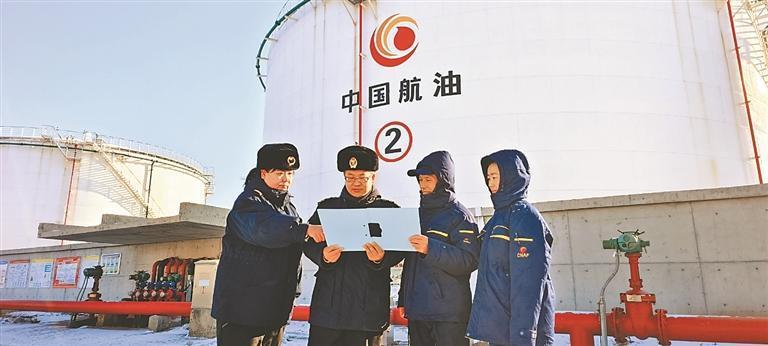
Core Insights - The bonded aviation fuel business at Harbin Taiping International Airport has been operating smoothly for one year, significantly reducing operational costs for airlines and facilitating the launch of new international routes, thus enhancing Harbin's international aviation network and economic openness [2] Group 1: Business Performance - As of now, the bonded aviation fuel business has supported 2,619 international passenger and cargo flights, providing 25,800 tons of bonded fuel and saving airlines over 7.56 million yuan in fuel costs [2] - The customs authority has implemented a bookkeeping regulatory model, allowing bonded and non-bonded fuel to be stored together, which has improved tank utilization [2] - The airport has optimized its route layout, increasing flight frequencies to traditional routes such as Russia, Japan, and South Korea, and successfully launched new international cargo and passenger routes [2] Group 2: Future Developments - The customs at Harbin Taiping International Airport plans to continue optimizing the operation and service guarantee of the bonded aviation fuel business, leveraging cost advantages to enhance the international aviation network and promote the development of the airport economy [3]

保税航油即加即走 湖北国际航线节约成本1亿多元
Sou Hu Cai Jing· 2025-12-31 16:13
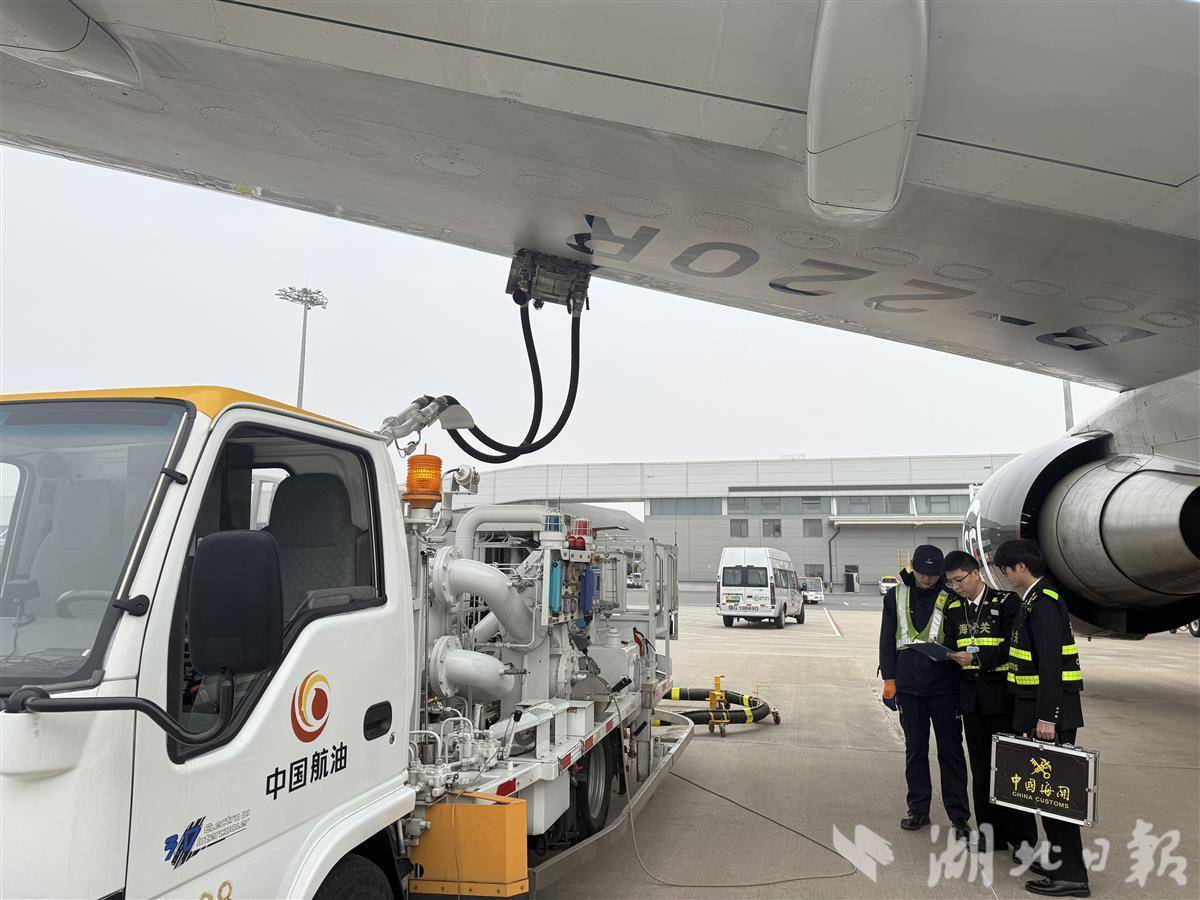
Core Insights - The implementation of a new regulatory model for bonded aviation fuel at Wuhan Customs has significantly increased the efficiency and volume of fuel supply for international flights, with a reported growth of 368% in volume and 378% in value year-on-year [1][3] Group 1: Regulatory Changes and Impact - The bonded aviation fuel policy allows airlines operating international routes to receive tax-exempt fuel, which is crucial for reducing operational costs and enhancing market competitiveness [3] - The new "smart supervision" model introduced in November 2024 allows bonded and non-bonded fuel to coexist in the same storage, improving tank utilization by over 20% [3][4] Group 2: Operational Efficiency and Cost Savings - The new model has led to a 75% improvement in customs clearance time compared to traditional methods, saving approximately 119 million yuan in tax and operational costs for the airports involved [1][4] - Airlines can save about 13% on fuel costs by using bonded aviation fuel, with an estimated savings of 400 yuan per ton [4] Group 3: Market Expansion and Airline Participation - Since the implementation of the new policy, six international airlines have established operations at Ezhou Huahu International Airport, opening 50 international cargo routes covering 42 destinations [4] - Atlas Air has expanded its international routes to include Ezhou to Chicago, Hanoi, and Nagoya, executing over 600 international cargo flights since 2025, resulting in fuel cost savings exceeding 4 million yuan [4]
福州机场保税航油实施半年:新开6条国际航线 国际业务显著增长
Zhong Guo Min Hang Wang· 2025-06-19 02:15
Group 1 - The implementation of the bonded aviation fuel policy at Fuzhou Changle International Airport has significantly reduced operational costs for airlines, saving them approximately 10%-12% on fuel expenses [2] - In the first half of the year, Fuzhou Airport opened six new international routes and has seen a daily average of nearly 16 aircraft refueled with bonded fuel, leading to a monthly fuel volume of 5,000 tons [1][2] - The airport's international flight operations increased by 24.9% year-on-year, with a total of 4,730 international flights and an 18.3% increase in inbound and outbound passenger throughput [1] Group 2 - The bonded fuel policy is expected to save airlines around 10 million yuan in fuel costs for the entire year, enhancing the competitiveness of Fuzhou's civil aviation market [1][2] - Future plans for Fuzhou Airport include the opening of new international routes and increasing flight frequencies to various destinations, aiming for a passenger throughput of over 1.8 million by 2025, representing a growth of over 33% [2]