光伏系储能发展路线

Search documents
光伏系储能崛起路线图:收购闪电战、自建持久战、合资合纵战
Tai Mei Ti A P P· 2025-08-13 12:08
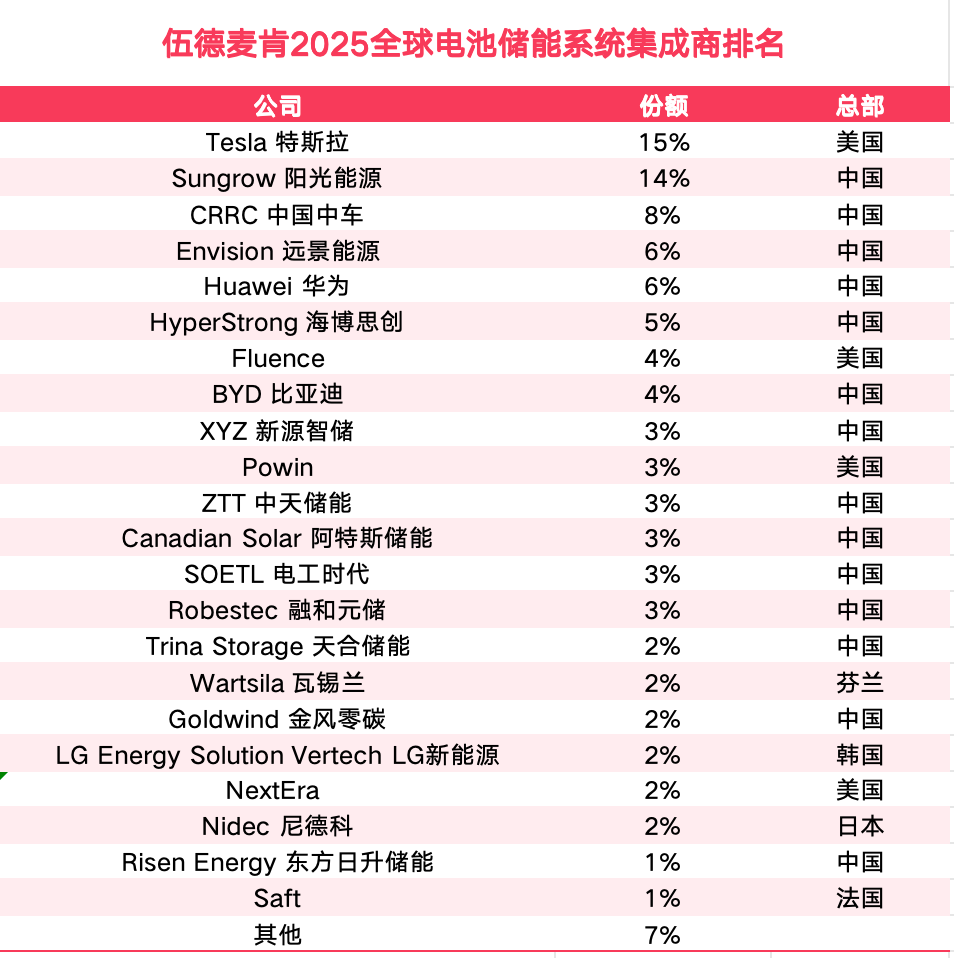
Core Viewpoint - The photovoltaic industry is seeking new growth opportunities, with energy storage becoming a crucial option for companies to enhance their business models and market competitiveness [1][30]. Group 1: Market Dynamics - The global demand for energy storage is rapidly increasing, prompting photovoltaic companies to explore various strategies to enter this market [10][30]. - Companies like Trina Storage, Canadian Solar, and others are emerging as significant players in the energy storage sector, as highlighted by Wood Mackenzie's 2025 global battery storage system integrators ranking [1][2]. Group 2: Strategies for Entering Energy Storage Acquisition Strategy - The acquisition of established energy storage companies allows photovoltaic firms to quickly enter the market, leveraging existing technologies, customer bases, and experienced teams [5][10]. - For instance, Risen Energy's acquisition of Tianjin Shuangyili in 2018 enabled it to integrate energy storage solutions into its existing photovoltaic offerings, significantly boosting its market presence [6][10]. - Chinese energy companies are also actively acquiring storage system integrators to enhance their capabilities, with cumulative project deliveries exceeding 500MW by 2024 [6][7]. Self-Build Strategy - Some companies opt for a self-build approach, developing their energy storage capabilities in-house to maintain control over technology and supply chains [11][20]. - Trina Solar and JinkoSolar are examples of companies that have invested in building their own energy storage production facilities, aiming for long-term competitiveness through technological mastery [13][17]. - Huawei has also adopted a self-research model, viewing energy storage as a natural extension of its photovoltaic business [18][20]. Joint Venture Strategy - Joint ventures provide a balanced approach, allowing photovoltaic companies to share resources and risks while entering the energy storage market [21][28]. - Companies like GoodWe and JinkoSolar have formed partnerships to establish production facilities, enabling them to quickly address market demands without heavy capital investment [23][25]. - The joint venture model allows for rapid market entry while mitigating the financial burdens associated with full ownership [28]. Group 3: Challenges and Considerations - Each strategy presents unique challenges, such as the complexity of integrating acquired teams and technologies in the acquisition model [9][10]. - The self-build approach requires significant capital and patience, as companies must navigate the complexities of technology development and project delivery [19][20]. - Joint ventures may face stability issues if partners cannot maintain alignment on goals and product development [28]. Group 4: Conclusion - The photovoltaic sector's entry into energy storage is multifaceted, with companies increasingly blending strategies to adapt to market demands [30]. - The competition is not merely a race but a long-term strategic battle where companies must continuously adjust their approaches to succeed in the evolving energy landscape [30].