
党风政风建设

Search documents
整治违规吃喝绝不是一阵风
Xin Lang Cai Jing· 2026-01-20 22:57
Group 1 - The article highlights the ongoing issue of officials engaging in illicit dining and drinking practices despite anti-corruption measures, indicating a persistent culture of misconduct within certain ranks [1][2] - Various methods are employed by officials to circumvent regulations, such as falsely inflating expenses, relocating gatherings to less scrutinized venues, and shifting costs to subordinates or business associates [1] - The narrative suggests that these violations often begin with minor infractions, which can escalate into more serious breaches of discipline and law, reflecting a troubling trend of moral decline among officials [1] Group 2 - The persistence of illicit dining practices is attributed to complex social dynamics, peer pressure, and a lack of understanding regarding the serious implications of such behaviors [2] - The article emphasizes that these practices are not merely trivial social interactions but are indicative of deeper issues related to power abuse and corruption [2] - It calls for a rigorous approach to enforcement and oversight, stressing the importance of addressing these issues to uphold party integrity and public trust [2]
以改进文风促实干之风
Zhong Yang Ji Wei Guo Jia Jian Wei Wang Zhan· 2025-12-25 01:04
Group 1 - The core viewpoint emphasizes the importance of improving writing style as a reflection of party and government conduct, with a focus on reducing formalism and bureaucratic practices to enhance grassroots effectiveness [1][3] - The 20th Central Committee's fourth plenary session calls for persistent implementation of the central eight regulations and the establishment of a long-term mechanism for style improvement [1] - The document outlines specific measures to reduce formalism, including streamlining documents, limiting meetings, and standardizing inspections and evaluations [1] Group 2 - Leadership must set an example in improving writing style by communicating concisely and authentically, which is crucial for fostering a positive writing culture [2] - Continuous improvement of writing style is seen as essential for addressing formalism and bureaucratic issues, reflecting the party's commitment to maintaining its traditions and political integrity [3] - The emphasis is placed on the necessity of aligning writing style with the party's loyalty to the people, ensuring that communication resonates with public sentiment [4] Group 3 - The approach to improving writing style must be problem-oriented, focusing on the satisfaction of the public as a key measure of success [4] - Engaging with the public and understanding their needs is vital for developing a writing style that is relatable and effective [4] - The process of improving writing style should be integrated into addressing the urgent issues faced by the public, ensuring that it reflects their concerns and aspirations [4]
以新时代家风建设筑牢党风政风基石
Hai Nan Ri Bao· 2025-12-24 01:35
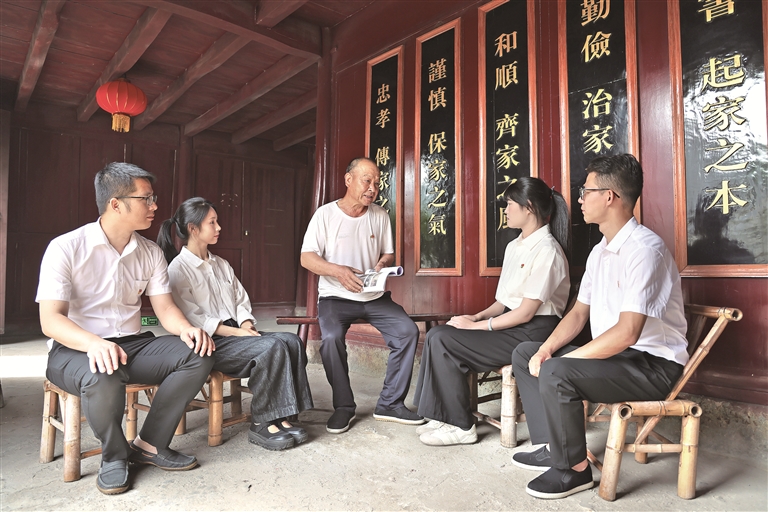
Core Viewpoint - The construction of family values is essential for the governance of the party and the state, emphasizing the connection between family ethics and broader political integrity [1][2]. Group 1: Importance of Family Values - Family values serve as the foundational principles and behavioral norms passed down through generations, impacting public affairs and the overall political landscape [2]. - Historical emphasis on family education and values in Chinese culture has been integral to the continuity of civilization, with traditional virtues deeply embedded in the national ethos [2]. - The deterioration of family values among party members often correlates with significant disciplinary violations, highlighting the need for strong family ethics to prevent corruption [2]. Group 2: Nurturing Good Family Values in the New Era - The construction of family values in the new era is not merely a replication of traditional values but involves innovative development that incorporates both traditional culture and modern values [3]. - Traditional family values provide a cultural foundation for contemporary family ethics, emphasizing integrity and diligence as key components [3]. - Revolutionary family values from historical figures serve as a spiritual guide for party members, promoting a clear distinction between public and private interests [3]. Group 3: Role of Family Values in Political Integrity - The socialist core values serve as a guiding framework for family value construction, encouraging individuals to integrate personal efforts with national development goals [4]. - Good family values are essential for fostering a clean political culture in the context of Hainan's free trade port, helping to combat corruption and promote integrity [4][5]. - The promotion of family values can transform societal norms, fostering a culture of lawfulness and mutual respect within the community [5]. Group 4: Mechanisms for Enhancing Family Values - Effective family value construction requires a multi-faceted approach, including education, institutional constraints, and cultural immersion [6]. - Leadership figures play a crucial role in exemplifying good family values, necessitating a robust accountability system for their family members [6][7]. - Utilizing local cultural resources and historical figures can enhance family value education, creating a rich educational environment that resonates with both history and contemporary relevance [6][7]. Group 5: Institutional Support for Family Values - Institutional frameworks are necessary to ensure the sustainability of family value initiatives, including dynamic management of family members' professional activities [7]. - Collaborative mechanisms among various departments can strengthen the guidance and evaluation of family value initiatives [7]. - The integration of red cultural elements into family value education can reinforce the ethical standards expected of party members [7].
学纪知纪明纪守纪 | 自觉涵养新时代共产党人良好家风
Zhong Yang Ji Wei Guo Jia Jian Wei Wang Zhan· 2025-07-30 01:05
Core Viewpoint - The article emphasizes the importance of family values and education in shaping the integrity of party members, particularly leaders, highlighting that family culture is closely linked to the overall political climate and governance standards in the country [4][6][10]. Group 1: Family Values and Political Integrity - Family values and education are crucial for party members, especially leaders, as they directly influence political integrity and governance [4][6]. - The relationship between family values and political conduct is profound, with positive family culture contributing to a clean political environment [4][5]. - Historical examples, such as the family values of prominent leaders, serve as benchmarks for current party members, reinforcing the need for integrity in both personal and public life [4][5]. Group 2: Consequences of Poor Family Values - Poor family values often lead to significant disciplinary and legal consequences for party members, as they can result in corruption and misconduct [8][10]. - Common manifestations of poor family values include nepotism, misuse of power for personal gain, and a lack of accountability among family members [8][9]. - The article outlines specific disciplinary actions that can be taken against party members who fail to manage their family values appropriately, including violations of party discipline and potential legal repercussions [11][12][13]. Group 3: Strengthening Family Values - The article suggests that enhancing family values should be a priority for party members, with recommendations for daily supervision and education on the importance of family integrity [14][15]. - Initiatives such as sharing family stories and values can help reinforce the connection between personal conduct and political integrity [14][15]. - The need for a collaborative approach involving various departments to promote family values and integrity is emphasized, suggesting that this should be integrated into broader cultural and educational initiatives [17][18]. Group 4: Role of Leaders in Family Values - Leaders are encouraged to set an example by embodying integrity and promoting good family values, which can positively influence their families and the broader community [18][19]. - The article highlights the responsibility of leaders to educate their families about the importance of ethical conduct and the dangers of corruption [19][20]. - A clear distinction between personal and public life is necessary, with leaders expected to maintain high standards of conduct to prevent their families from engaging in unethical behavior [21][22].

服务窗口不是谋私“后门”(监督哨)
Ren Min Ri Bao· 2025-07-20 22:12
Group 1 - The article highlights issues of service quality and potential corruption at the real estate registration center in Liaoning Province, where some individuals were reportedly able to bypass queues due to connections with staff [1][2] - An investigation revealed that a specific window operated by a labor dispatch employee, Li, had a significantly lower call frequency and longer average waiting times compared to other windows, indicating possible misconduct [1] - The investigation uncovered that frequent visitors to this window were mostly local real estate agents, leading to Li admitting to allowing them to skip the queue in exchange for small payments [1][2] Group 2 - Li expressed regret over his actions, acknowledging that he was initially wary of the agents but eventually succumbed to their influence, which led to his misconduct [2] - As a result of the investigation, Li received a party warning and was dismissed from his position, emphasizing the need for strict adherence to regulations and the importance of maintaining public trust [2] - The case serves as a reminder of the broader implications of individual misconduct on public service and the necessity for zero tolerance towards actions that harm public interests and disrupt the business environment [2]
表态不如表率
Ren Min Ri Bao· 2025-05-07 22:25
Group 1 - The core message emphasizes the importance of leading by example and the necessity for leaders to translate their statements into actionable results, rather than merely making promises without follow-through [1][2][3] - It highlights that effective leadership requires a commitment to practical actions that resonate with the public, rather than just verbal commitments or written declarations [3][4] - The article stresses that leaders must engage directly with the issues at hand, demonstrating a proactive approach to problem-solving and policy implementation [2][3] Group 2 - The text outlines that the credibility of leaders is often undermined by a lack of genuine action, which can erode public trust and damage the image of the party and government [3] - It calls for leaders to adopt a mindset of responsibility and urgency, actively confronting challenges and setting a positive example for others to follow [3][4] - The ultimate measure of a leader's effectiveness is the tangible outcomes they achieve, as perceived by the public, rather than the quantity of meetings or speeches [4]