全球化悖论

Search documents
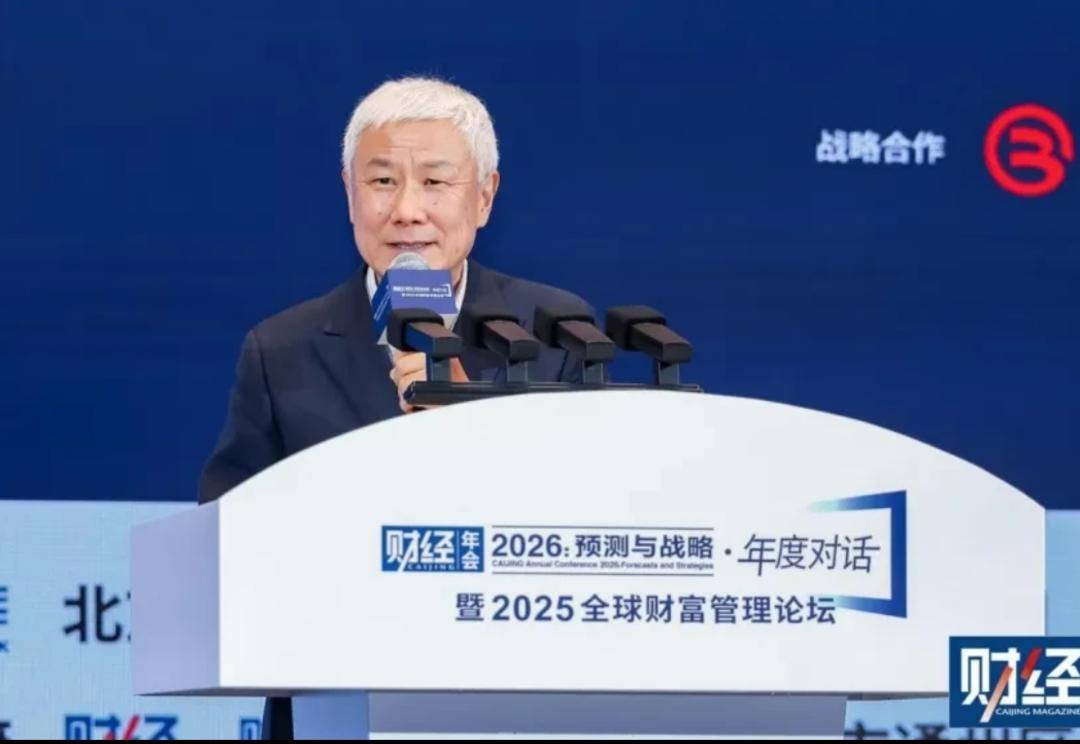
张燕生:历史与当下的反全球化力量,往往正是全球化推手
Cai Jing Wang· 2025-12-18 12:24
Core Viewpoint - The forum emphasizes the importance of domestic demand as a driving force for China's economic growth in the short term, while focusing on industry, technology, and domestic demand for long-term development [1][12]. Group 1: Economic Strategy - Zhang Yansheng, a researcher at the China Macroeconomic Research Institute, highlighted that the core of China's modernization and economic development is to strengthen consumption and investment to effectively counter international economic changes [1][12]. - The short-term annual plan will focus on "domestic demand as the main driver," while the medium to long-term strategy will involve promoting industry, technology, and domestic demand [1][12]. Group 2: Global Economic Environment - The current international policy environment and economic order are undergoing changes, making it crucial to steadily promote economic growth and stabilize exports in the coming years [4][12]. - The "globalization paradox" suggests that the forces against globalization often stem from those who were once its proponents, indicating a complex relationship between global cooperation and protectionism [4][8]. Group 3: Future Challenges - The future of global economic development will face multiple challenges, including the sustainability of globalization and the potential for increased protectionism and technological decoupling among major powers [8][11]. - Key factors influencing the next five years include the direction of global trade and investment, the advancement of technological revolutions, and the evolution of major power relations [6][8]. Group 4: Technological Revolution - The new technological revolution, characterized by artificial intelligence, cloud computing, big data, and blockchain, is expected to have profound impacts on the economy and industries [13]. - The forum discussed the importance of enhancing labor productivity and overall factor productivity through the application of new technologies [13].

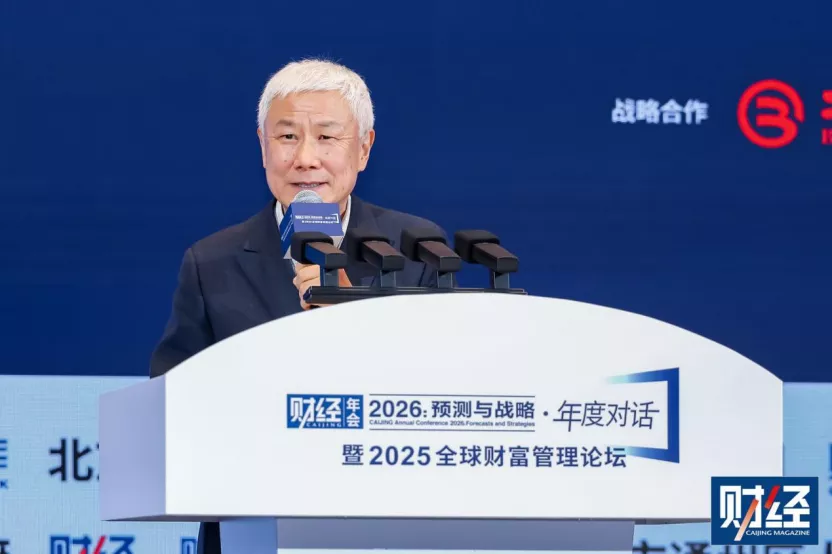
中国宏观经济研究院研究员张燕生:产业、科技和内需是未来十年的发展动力
Sou Hu Cai Jing· 2025-12-18 10:20
Group 1 - The core viewpoint emphasizes the importance of domestic demand in driving China's economic growth and stability in the face of changing international conditions [2] - Zhang Yansheng highlights that the short-term annual plan focuses on "domestic demand-led" strategies, while the medium to long-term plan will promote growth through industry, technology, and domestic demand over the next five to ten years [2] - The article discusses the "paradox of globalization," noting that the new globalization differs from the past by being based on market rules, enterprise subjects, and the empowerment of artificial intelligence, indicating a slow and complex process that aligns with global common interests [2] Group 2 - For the future global governance system over the next five years, Zhang Yansheng suggests maintaining strategic determination, historical patience, and bottom-line thinking as essential supports in a complex environment [3]