全直流供电技术

Search documents
全球首座!吊装能力突破三千吨级全直流供电风电安装船在烟台交付
Qi Lu Wan Bao Wang· 2025-10-16 08:54
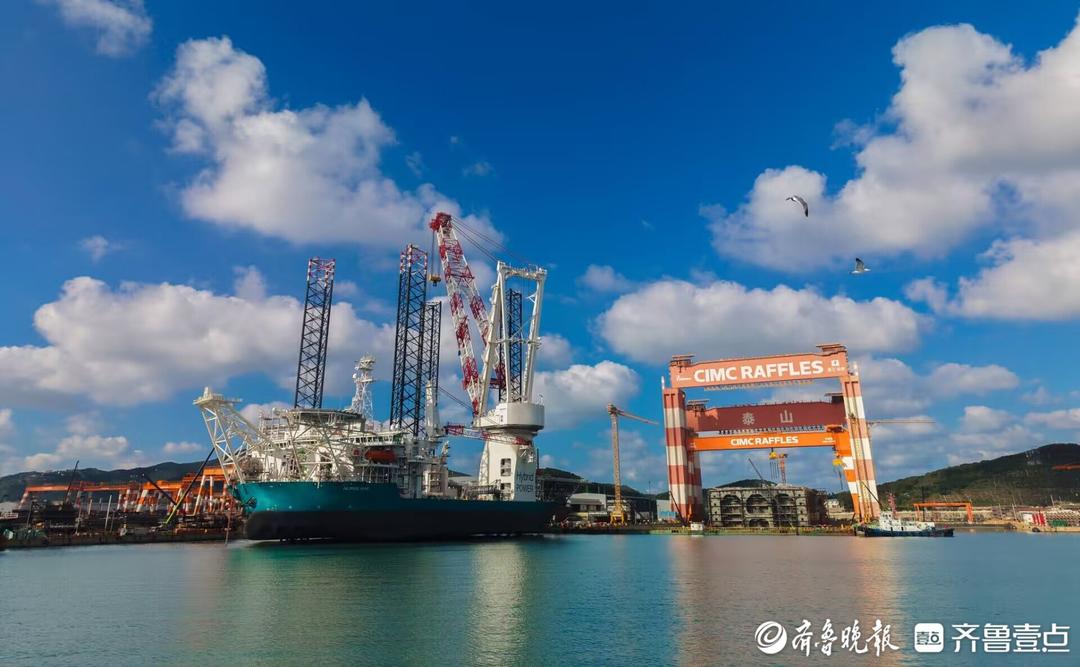
Core Insights - The "Nordic Wind" installation vessel, with a lifting capacity exceeding 3,000 tons, has been delivered, marking a significant advancement in China's offshore engineering equipment manufacturing and filling a global technical gap in ultra-large direct current wind installation vessels [1][3]. Company Overview - The "Nordic Wind" vessel was constructed by CIMC Raffles, a subsidiary of CIMC Group, for DEME, a leading company in the Belgian marine engineering sector [3]. - The vessel measures 146 meters in length and has a maximum displacement of 56,000 tons, equipped with a 3,200-ton main crane and a two-level dynamic positioning system [3]. Technical Advancements - The vessel is designed to operate in harsh conditions, including 8-level wind and wave scenarios in the North Sea and temperatures as low as -15°C, while being compatible with current mainstream 15 MW and 20 MW wind turbines [3]. - It features a state-of-the-art battery hybrid power drive system, overcoming the inefficiencies and high energy consumption associated with traditional alternating current power supply models [3]. Environmental Impact - The carbon emissions for installing wind power equipment on the "Nordic Wind" are only 30% of those from traditional alternating current vessels, with a reduction of over 70% in carbon emissions per megawatt [5]. - The successful delivery of the vessel enhances China's competitive edge in the international market for ultra-large wind installation equipment, incorporating core technologies such as full direct current power supply and large main crane integration [5]. Future Plans - The "Nordic Wind" will be deployed at the NordseeCluster wind farm in Germany, contributing to the global supply of clean energy [5].


新进展、新突破、新标准 这些科技“硬核”技术彰显中国力量
Yang Shi Wang· 2025-10-16 06:32
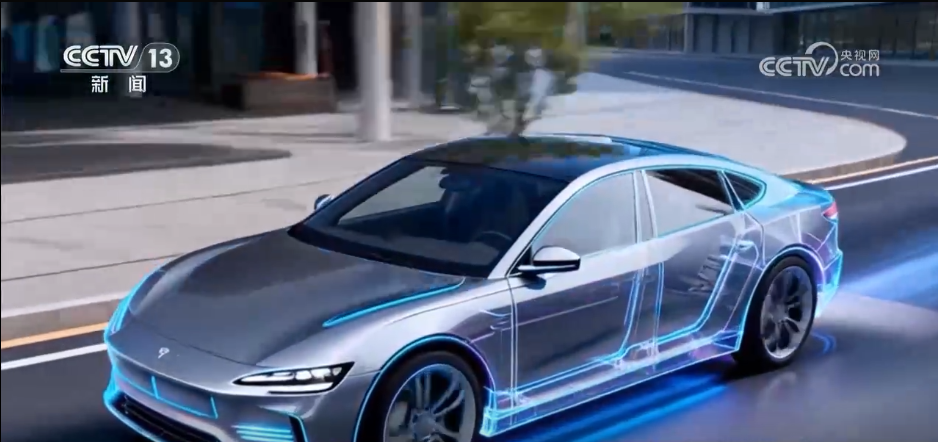
Group 1: Solid-State Battery Technology - Solid-state batteries represent a core technological direction for next-generation lithium batteries, with significant application prospects in new energy vehicles and low-altitude economy [1] - Chinese scientists have overcome critical challenges in all-solid-state lithium batteries, achieving a performance upgrade that could potentially double the range from 500 kilometers to over 1000 kilometers with a 100-kilogram battery [1][3] - The main challenges in solid-state battery commercialization stem from the interface issues between the hard solid electrolyte and the soft lithium metal electrode, which affect charging and discharging efficiency [3] Group 2: Key Technological Breakthroughs - The first breakthrough involves the development of "special glue" using iodine ions, which helps to fill gaps at the interface between the electrode and electrolyte, enhancing contact and efficiency [5] - The second breakthrough is a "flexible transformation" technique that uses polymer materials to create a robust framework for the electrolyte, allowing it to withstand significant deformation while improving lithium-ion mobility and increasing energy storage capacity by 86% [5] - The third breakthrough involves a fluorinated polymer that enhances the electrolyte's resistance to high voltage, ensuring safety and performance under extreme conditions [5] Group 3: Wind Power Installation Vessel - The "Nordic Wind" vessel, the world's first direct current wind installation ship with a lifting capacity exceeding 3000 tons, has been delivered, filling a technological gap in the market [6][8] - This vessel is designed to operate in harsh conditions, including 8-level winds and temperatures as low as -15°C, while being compatible with current mainstream wind turbine models [8] - The carbon emissions for installing wind power equipment with this vessel are only 30% of those from traditional AC supply vessels, significantly reducing the environmental impact [10] Group 4: International Standards Development - Since the "14th Five-Year Plan," China has actively participated in and led the formulation of international standards, achieving breakthroughs in key areas such as new energy and photovoltaic technology [11] - The establishment of unified international standards has reduced communication costs and accelerated research and development processes across the industry, enhancing safety and efficiency [14] - China has led the development of 1079 international standards during the "14th Five-Year Plan," nearly double the number from the previous five-year period, contributing to a total of 2032 international standards [14]