
公交网约化

Search documents
一线城市也有了网约公交,像网约车一样方便,票价一元!
Sou Hu Cai Jing· 2026-01-14 05:15
Core Viewpoint - Shanghai has launched a pilot program for on-demand public transport in the Lujiazui financial district, marking a significant step for first-tier cities to explore on-demand bus services [1]. Group 1: Service Features - Booking Method: Passengers can book rides through the "浦交行" mini-program on Alipay or WeChat [3]. - Response Time: Average wait time for a vehicle is 10-15 minutes, with real-time updates on vehicle information [3]. - Fare Policy: Free during the promotional period, with a future standard fare of 1 yuan [3]. Group 2: Operational Improvements - Enhanced Service: The on-demand bus service is an upgraded version of existing bus routes, connecting office buildings, subway stations, shopping areas, and attractions [5]. - Efficiency Breakthroughs: The service eliminates unnecessary stops, optimizes routes dynamically, and improves resource allocation during low passenger flow periods [9]. Group 3: Market Implications - Competitive Landscape: The new on-demand bus service combines the flexibility of ride-hailing with the efficiency of public transport, potentially attracting cost-sensitive commuters and diverting some ride-hailing orders [6][8]. - Expansion Potential: Based on the pilot's success, there are plans to gradually expand the service's coverage and operational hours, aiming for a responsive public transport system [8].

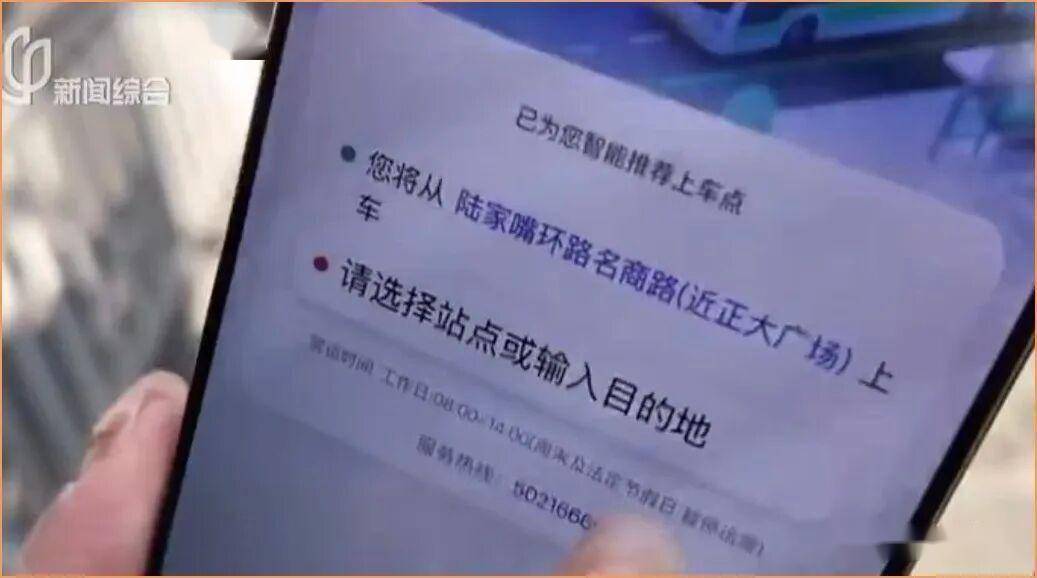
上海浦东启动常规公交网约化试点,为何选择陆家嘴区域?
Xin Lang Cai Jing· 2026-01-09 06:37
Core Viewpoint - The launch of the online bus reservation pilot in the Lujiazui area of Pudong New District marks the beginning of a new model for conventional bus services, integrating ride-hailing features to enhance public transportation efficiency and convenience [2][6]. Group 1: Pilot Program Details - The pilot program for online bus reservations started on January 9, 2026, in the Lujiazui area, with operations from 8:00 AM to 2:00 PM on weekdays [2][4]. - The bus service connects key locations within the Lujiazui financial district, including major office buildings, subway stations, and shopping centers [2][5]. - The service was tested starting in September 2025, transporting 480 passengers primarily consisting of office workers in the financial district [5]. Group 2: User Experience and Technology - Users can book rides through the "Puxiao Hang" app, which allows real-time tracking of bus locations and vehicle information [2][5]. - The system automatically generates optimal navigation routes and provides real-time updates to drivers, improving safety and efficiency [5]. - The app has been optimized based on user feedback, enhancing the interface and adding features like dynamic vehicle location tracking [5]. Group 3: Strategic Considerations - The choice of Lujiazui for the pilot is based on high passenger flow during peak hours and lower demand during off-peak times, allowing for a flexible service model [6]. - The demographic of young professionals and business people in Lujiazui shows a higher acceptance of the ride-hailing bus service, indicating potential for further expansion [6]. - The district plans to optimize the bus service layout based on operational data and may extend the service to areas with distinct passenger flow patterns [6].

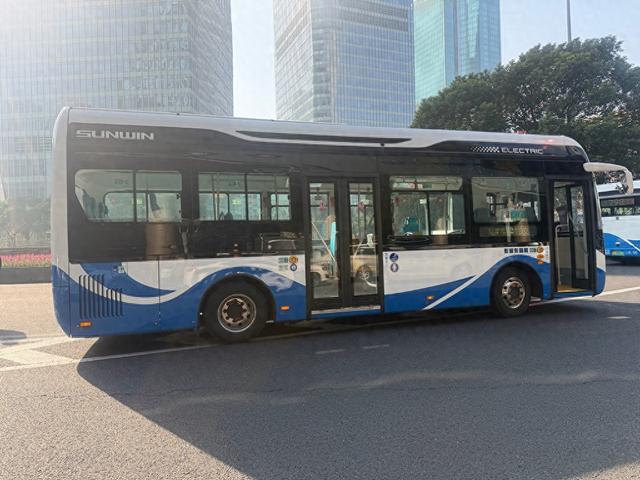
公交车也网约,行么
Jing Ji Ri Bao· 2025-11-20 00:20
Core Viewpoint - The introduction of ride-hailing bus services in cities like Shijiazhuang and Handan reflects a shift from traditional public transport to a more flexible, demand-driven model, leveraging technology to optimize resource allocation and reduce operational costs [1][2]. Group 1: Development of Ride-Hailing Bus Services - Cities across China, including Beijing and Xi'an, have been experimenting with ride-hailing bus services for several years, indicating a growing trend towards this innovative transport solution [1]. - The ride-hailing bus service allows citizens to book buses via mobile applications, providing a more tailored and efficient public transport experience [1]. Group 2: Challenges and Future Prospects - Despite filling gaps in traditional bus coverage and addressing last-mile connectivity issues, ride-hailing bus services are still in pilot phases and represent a small fraction of overall public transport usage [2]. - The transition to large-scale operations will require careful management of costs and operational efficiency, as well as improvements in infrastructure to support these services [2]. - Future developments should focus on enhancing public services and urban governance through more proactive ride-hailing bus operations, contributing to the creation of modern, resilient, and smart cities [2].