
公务用车管理

Search documents
过好紧日子 勤俭办事业
Xin Lang Cai Jing· 2025-12-19 19:25
Core Insights - The article highlights the efforts of various regions in China, particularly Jilin and Chongqing, to optimize the use of idle assets and improve operational efficiency in government agencies through the implementation of new regulations and digital platforms [1][2][6]. Group 1: Asset Optimization - Jilin Province has consolidated its administrative offices from six locations to one, significantly enhancing work efficiency and reducing operational costs [1]. - Chongqing's "Public Goods Warehouse Online" application has integrated asset management, covering over 4,000 units and accumulating more than 16,600 items valued at approximately 1.89 billion yuan [2]. - The national public goods warehouse service platform has activated 382,300 assets, saving around 2.166 billion yuan across 80 central departments and 18,000 units [2]. Group 2: Vehicle Management - Guangdong Province has developed a public vehicle management platform that tracks vehicle usage, costs, and real-time status across various administrative levels [3][4]. - The platform collects over 10 million data points annually, enhancing oversight and reducing misuse of public vehicles [4]. Group 3: Cost Reduction in Public Dining - In Xiangtan, the implementation of the "Xiangban Tong" app for meal payments has led to a 96.4% reduction in public dining events and a 97.6% decrease in related expenses from January to November 2025 [5]. - The app ensures transparency in public dining expenses, allowing for real-time verification and accountability [5]. Group 4: Promotion of Thrift Culture - Various regions are promoting a culture of thrift and efficiency in government operations, with a focus on reducing waste and enhancing the effective use of resources [6].
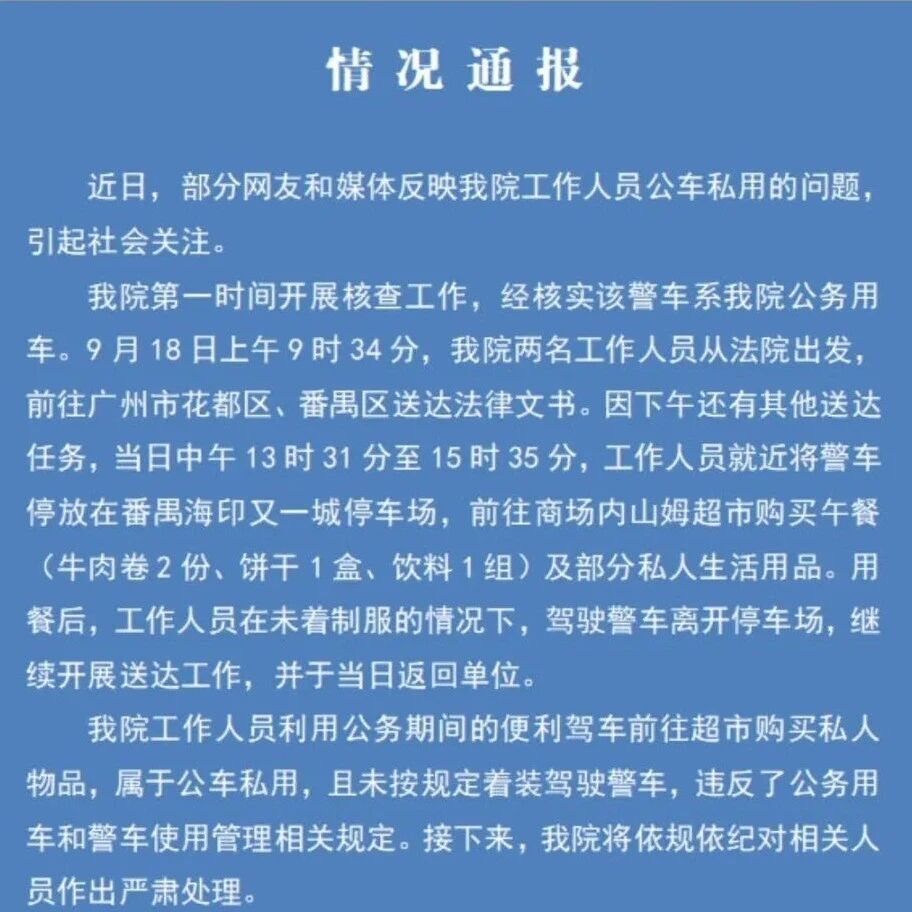
广东英德法院通报“警车现身山姆被质疑公车私用”:情况属实,相关人员将被严肃处理
新浪财经· 2025-09-27 06:35
Core Viewpoint - The incident involving the misuse of a court vehicle by staff members of the Yingde City Court has raised public concern, leading to an internal investigation and acknowledgment of management shortcomings [2][5][8]. Group 1: Incident Details - On September 18, court staff used a police vehicle during work hours to purchase personal items at a supermarket, which constitutes misuse of public resources [2]. - The staff members parked the police vehicle at a shopping center between legal document deliveries, violating regulations regarding the use of official vehicles [2][5]. - The court has admitted to a lack of strict management over vehicle usage and has committed to taking disciplinary action against the involved personnel [2][8]. Group 2: Response and Investigation - Following public reports, the court established a working group to investigate the allegations, including reviewing vehicle usage records and interviewing involved staff [8]. - The court expressed gratitude for public oversight and pledged to improve management practices and staff discipline in the future [3][8]. - The court's response indicates a commitment to transparency and accountability in handling the situation [8].

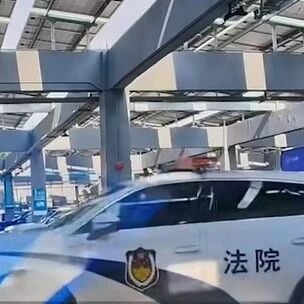
警车现身山姆超市,公车私用?英德法院通报
券商中国· 2025-09-27 02:29
Group 1 - The core issue revolves around the misuse of a government vehicle by staff from the Yingde Court, who used it for personal errands during official duties, violating regulations on public vehicle use [1] - The incident highlights a lack of strict management regarding public vehicle usage and a weak disciplinary awareness among certain staff members at the court [1] - The court has acknowledged the mistake and plans to implement stricter regulations on public vehicle management and staff behavior oversight in the future [1]
警车在山姆购物,确认是公车私用
第一财经· 2025-09-27 01:46
Core Viewpoint - The incident involving the misuse of a court vehicle by staff members of the Yingde City People's Court has sparked significant public interest and scrutiny regarding the management of official vehicles and staff discipline [3][6]. Summary by Sections Incident Details - On September 18, two staff members from the Yingde City People's Court used a court vehicle to deliver legal documents in Guangzhou. During a break, they parked the vehicle at a Sam's Club and purchased lunch and personal items, which constitutes misuse of public resources [3][6]. Official Response - The court confirmed that the vehicle was indeed a public vehicle and acknowledged the violation of regulations regarding the use of official vehicles and proper attire while driving. The court plans to take disciplinary action against the involved personnel [3][6]. Management Issues - The incident highlights deficiencies in the court's management of official vehicles and a lack of discipline among some staff members. The court has committed to improving regulations and oversight regarding the use of public vehicles and staff conduct in the future [3][6]. Public Acknowledgment - The court expressed gratitude to the public and media for their oversight and feedback regarding the incident, indicating a willingness to learn from the situation [4][7].
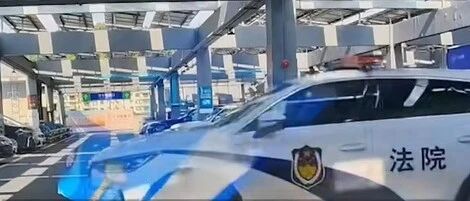
广东省英德市法院通报“公车私用”:情况属实,严肃处理
Yang Shi Wang· 2025-09-27 00:37
Core Points - The incident involving the misuse of a government vehicle by staff from the Yingde City People's Court has raised public concern and scrutiny [1] - The court confirmed that the vehicle in question was indeed a government vehicle used for official purposes [1] - The staff members were found to have used the vehicle during work hours to purchase personal items, violating regulations regarding the use of government vehicles [1] Summary by Sections - **Incident Details** - On September 18, two staff members from the Yingde City People's Court used a government vehicle to travel to Guangzhou for legal document delivery [1] - During a break, they parked the vehicle at a shopping center and purchased personal items, including two beef rolls, a box of cookies, and a set of drinks [1] - The staff left the shopping center without wearing uniforms, continuing their official duties afterward [1] - **Regulatory Violations** - The actions of the staff constituted misuse of a government vehicle and non-compliance with dress code regulations while operating the vehicle [1] - The Yingde City People's Court plans to impose strict disciplinary actions on the involved personnel in accordance with regulations [1] - **Management Issues** - The incident highlights deficiencies in the management of government vehicle usage and a lack of discipline among certain staff members at the Yingde City People's Court [1] - The court intends to learn from this incident and implement stricter regulations for government vehicle management and oversight of staff behavior during official duties [1]
锲而不舍落实中央八项规定精神 “一块屏”堵住公车管理漏洞
Zhong Yang Ji Wei Guo Jia Jian Wei Wang Zhan· 2025-06-25 02:32
Core Viewpoint - The article highlights the advancements in public vehicle management in Wuxi, Jiangsu Province, focusing on the implementation of a centralized management platform that enhances transparency and accountability in the use of public vehicles [1][2][3]. Group 1: Platform Implementation and Features - The Wuxi public vehicle management platform allows for real-time monitoring and management of public vehicles, addressing issues such as misuse and maintenance irregularities [1][4]. - The platform integrates various modules, including vehicle maintenance records and fuel management, creating a comprehensive oversight system for public vehicle usage [5]. - By utilizing big data and electronic monitoring, the platform can trigger alerts for abnormal vehicle usage, enhancing the effectiveness of supervision [4][5]. Group 2: Impact on Misuse and Accountability - The implementation of the platform has significantly reduced instances of public vehicle misuse, such as unauthorized personal use and inflated maintenance costs [3][4]. - The local disciplinary inspection and supervision authorities have successfully identified and penalized numerous cases of misuse, with 194 violations and 232 individuals disciplined to date [5]. - The platform's features, such as electronic fencing and real-time alerts, have improved the precision and efficiency of monitoring public vehicle activities [4][5].