
公司治理失效

Search documents
浙江永安退市倒计时:股票已停牌11个月 核数师信永中和宣布辞任 1.67亿资金谜案成导火索
Xin Lang Cai Jing· 2026-01-21 02:26
Core Viewpoint - Zhejiang Yong'an Rongtong Holdings Limited faces potential delisting from the Hong Kong GEM market due to the resignation of its auditor, which highlights significant financial internal control deficiencies and a compliance issue involving a total of 167 million yuan in prepayments [1][2][5] Financial Internal Control Collapse - The resignation of the auditor, Shinewing (HK) CPA Limited, was attributed to the company's failure to provide necessary materials for the 2024 financial audit, uncertainty in audit costs, and internal resource adjustments. The critical trigger was two non-compliant prepayments totaling 167 million yuan, which were not disclosed as required by GEM Listing Rule Chapter 20 [2][8] - The compliance issues have halted the progress of the financial audit, and if the company fails to remedy these violations by February 20, 2026, it will face delisting procedures [2][5] 1.67 Billion Yuan Payment Mystery and Related Party Transaction Concerns - The relationship between Zhejiang Yong'an and the payment recipients, Guizhou Yongli Enterprise Management Co., Ltd. and Zhejiang Yongli Industrial Group, has raised market suspicions. The similarity in names suggests potential undisclosed related party transactions or benefit transfers [3][9] - The Hong Kong Stock Exchange had previously issued additional resumption guidance to Zhejiang Yong'an regarding these compliance issues, but the company failed to rectify them, leading to the auditor's resignation [3][9] Deteriorating Operations and Liquidity Crisis - The company's main business has been declining, with a 42.67% year-on-year drop in revenue to 16.96 million yuan in the first half of 2024. Sales of woven fabrics decreased by 42.89% domestically and 37.93% in exports [4][10] - Despite achieving a net profit of 57.29 million yuan through asset sales, the core business remains under pressure, with a gross margin of only 4.81%. The liquidity situation is dire, with negative operating cash flow and a cash balance of 168 million yuan, which includes non-recurring income [4][10] Countdown to Delisting: Resumption Conditions Hard to Meet - To avoid delisting, Zhejiang Yong'an must meet three resumption conditions: rectify internal control deficiencies and disclose compliant fund transactions, publish all undisclosed financial results, and demonstrate ongoing viability. Currently, none of these conditions have been met [5][11] - The resignation of the auditor complicates the investigation into fund compliance, and the absence of an audit means the 2024 financial report cannot be published. The company's declining core business and cash flow pressures cast doubt on its ability to continue operations [5][11]
2026年首单ST落地 得润电子因连续三年造假被“戴帽”
Jing Ji Guan Cha Wang· 2026-01-03 05:04
Core Viewpoint - The company, Derun Electronics, is facing significant regulatory penalties and governance issues due to major violations in information disclosure, leading to a systematic risk exposure for over 75,000 shareholders [1][2][5]. Group 1: Regulatory Actions and Financial Misconduct - Derun Electronics has been placed under other risk warnings and will be renamed "ST Derun" starting January 6, 2026, following a notice from the Shenzhen Securities Regulatory Commission due to serious information disclosure violations [1]. - The company inflated its assets and profits by fabricating customer payments and concealing actual financial support from its controlling shareholder, resulting in fictitious receivables of CNY 395 million and CNY 113 million for 2020 and 2021, respectively [2]. - The company has been fined CNY 7 million, while the controlling shareholder, Qiu Jianmin, faces a personal fine of CNY 12 million and a five-year market ban, significantly limiting his influence over the company [2]. Group 2: Shareholder and Governance Impact - The controlling shareholder's stake has drastically decreased to 5.68% due to forced sales from debt defaults, raising concerns about potential changes in control and governance [3]. - The recent changes in shareholding structure, with new shareholders being individuals with undisclosed backgrounds, may challenge the existing board if they form a united front [3]. - The company has 75,253 ordinary shareholders, predominantly small investors, who lack the information and tools to mitigate risks, now facing the consequences of governance failures [5][6]. Group 3: Financial Performance and Market Reactions - Derun Electronics reported a net loss of CNY 1.225 billion for the year 2024, a decline of over 500%, with a further revenue drop of 15.70% in the first three quarters of 2025 [5]. - The transition to "ST Derun" will limit the company's refinancing capabilities and affect bank credit, further eroding confidence among customers and suppliers [5]. - The governance crisis exacerbates existing pressures from increased competition and declining profit margins in the automotive electronics and charging module sectors [5][6].

董事长涉案、财报难产,“水果第一股”明日退市
第一财经· 2025-12-29 09:17
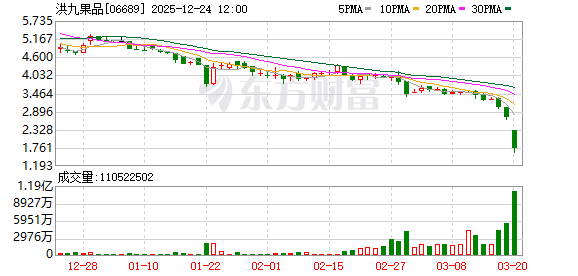
Core Viewpoint - Hongjiu Fruit (06689.HK) will have its listing status terminated on December 30, 2025, due to failure to meet the resumption conditions set by the Hong Kong Stock Exchange, following a series of financial and legal issues [3]. Group 1: Company Background - Hongjiu Fruit was founded in 2002 in Chongqing by Deng Hongjiu and his wife Jiang Zongying, and it is recognized as one of the "three giants" in the fruit supply chain and trade industry alongside Baiguoyuan and Xianfeng Fruit [3]. - The company went public on the Hong Kong Stock Exchange in September 2022, becoming the "first fruit stock" [3]. Group 2: Financial Issues - The company has been suspended since March 2024 due to its inability to publish financial reports on time, with KPMG raising concerns about a sudden increase of 3.4 billion yuan in prepayments for Q4 2023, questioning the identity of the payment recipients and the completeness of the accounting materials provided [3]. - Hongjiu Fruit's accounts receivable grew significantly, increasing by 106.7% in 2022 compared to 2021, indicating cash flow difficulties [4]. Group 3: Management and Legal Challenges - In April 2025, founder Deng Hongjiu and several executives were subjected to criminal coercive measures for alleged loan fraud and issuing false VAT invoices [3]. - The company's business model, which relies on direct sourcing from producers and immediate payment for fruits, has led to cash flow strain, exacerbated by the economic crimes of its executives and governance failures [4].


董事长涉案、财报难产,“水果第一股”明日退市
Di Yi Cai Jing· 2025-12-29 08:13
Core Viewpoint - Hongjiu Fruit's delisting is attributed to flaws in its business model and failures in corporate governance, following legal issues involving its chairman and delays in financial reporting [1][2]. Group 1: Company Overview - Hongjiu Fruit, founded in 2002 in Chongqing by Deng Hongjiu and his wife Jiang Zongying, is a traditional fruit supply chain and trading company, recognized as one of the "three giants" in the fruit industry alongside Baiguoyuan and Xianfeng Fruit [1]. - The company went public on the Hong Kong Stock Exchange in September 2022, becoming the "first fruit stock" [1]. Group 2: Financial Issues - Hongjiu Fruit has faced significant financial challenges, including a suspension of trading since March 2024 due to its inability to publish financial reports on time [1]. - The auditing firm KPMG raised concerns about a sudden increase of 3.4 billion yuan in prepayments for the fourth quarter of 2023, questioning the identity of the payment recipients and the completeness of the accounting materials provided by the company [1]. Group 3: Business Model Challenges - The company employs a traditional "end-to-end" model, sourcing fruits directly from producers, which allows for quality control but requires substantial capital due to immediate payment needs for purchases, while sales do not progress as quickly [2]. - The shift in domestic consumption trends post-pandemic has put pressure on the fruit industry, making it harder to recover accounts receivable, with Hongjiu Fruit's accounts receivable increasing by 106.7% in 2022 compared to 2021 [2]. Group 4: Governance and Legal Issues - The company's management has been embroiled in legal troubles, with founder Deng Hongjiu and several executives facing criminal charges for loan fraud and issuing false VAT invoices [1][2]. - The combination of a "high prepayment + long receivables" model has led to cash flow issues, exacerbated by compliance crises stemming from the alleged economic crimes of executives, ultimately resulting in the inability to disclose financial reports and subsequent delisting [2].
洪九果品迎来退市终局
Xin Lang Cai Jing· 2025-12-29 03:44
Core Viewpoint - Hongjiu Fruit, known as the "first fruit stock," is facing delisting from the Hong Kong Stock Exchange after a series of financial and governance issues, including failure to disclose financial reports, stock suspension, and investigations into its executives [3][5]. Group 1: Company Background and Financial Performance - Hongjiu Fruit was founded in 2002 by Deng Hongjiu and Jiang Zongying, and it quickly rose to prominence in the high-end fruit market, becoming the largest fruit distributor in China by sales revenue in 2022 [3][4]. - The company went public on September 5, 2022, with an initial share price of HKD 40, achieving a market capitalization of nearly HKD 19 billion on its first trading day. In 2022, it reported a revenue increase of 46.7% to CNY 15.081 billion and a net profit surge of 397.95% to CNY 1.452 billion [3][4]. Group 2: Financial Troubles and Governance Issues - The turning point for Hongjiu Fruit occurred on March 20, 2024, when it was suspended from trading due to its inability to disclose the 2023 financial report, which was questioned by its auditing firm, KPMG. The firm raised concerns about a prepayment balance of approximately CNY 4.47 billion, with CNY 3.42 billion paid to new suppliers in Q4 2023, many of whom had low registered capital and no social insurance contributors [4][5]. - Following the suspension, the company failed to release its 2023 annual report and subsequent periodic reports. As of the suspension date, its stock price had dropped over 95% to HKD 1.74, with a market capitalization of approximately HKD 2.795 billion [4][5]. Group 3: Legal and Operational Challenges - In April 2025, Hongjiu Fruit announced that several executives, including Chairman Deng Hongjiu, were under investigation for alleged loan fraud and issuing false VAT invoices, leading to various criminal measures against them [5][6]. - The company has faced ongoing financial pressure, leading it to apply for restructuring and consider bringing in strategic investors to support its recovery plan. The resignation of three independent non-executive directors in May 2025 left the company without independent oversight [6][7]. Group 4: Expert Analysis and Future Outlook - Experts suggest that the core issues leading to Hongjiu Fruit's delisting stem from a flawed business model and ineffective corporate governance. The company's cash flow issues, family-style management, and compliance crises contributed to its inability to disclose financial reports, ultimately resulting in its delisting [7]. - To recover post-delisting, Hongjiu Fruit must address challenges such as a broken cash flow, lack of core management, and loss of market trust. Strategies may include optimizing the supply chain, reducing costs, embracing e-commerce, and restructuring corporate governance to rebuild market confidence [7].
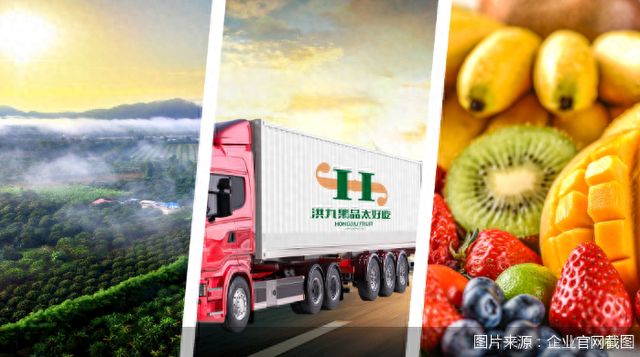
财报难产、高管被查 洪九果品终遭退市
Bei Jing Shang Bao· 2025-12-28 13:38
Core Viewpoint - Hongjiu Fruit, known as the "first fruit stock," is facing delisting from the Hong Kong Stock Exchange due to a series of financial and governance issues, culminating in its inability to disclose financial reports and ongoing investigations into its executives [2][3][4]. Company Overview - Hongjiu Fruit was established in 2002 by Deng Hongjiu and his spouse Jiang Zongying, and it quickly rose to prominence in the high-end fruit market through a self-built cold chain logistics system and direct procurement model [3]. - The company became the largest fruit distributor in China by sales revenue in 2022, with a revenue of 15.081 billion yuan, marking a 46.7% year-on-year increase, and a net profit of 1.452 billion yuan, up 397.95% [3]. Listing and Suspension - Hongjiu Fruit was listed on the Hong Kong Stock Exchange on September 5, 2022, at an issue price of 40 HKD per share, achieving a market capitalization of nearly 19 billion HKD on its first day [3]. - The stock was suspended from trading on March 20, 2024, due to the company's failure to disclose its 2023 financial report, which raised concerns from its auditing firm, KPMG [4]. Financial Issues - As of the last disclosed financial report, Hongjiu Fruit reported a revenue of 8.538 billion yuan for the first half of 2023, a 19.37% increase, but a net profit decline of 6.51% to 800 million yuan [4]. - The company faced significant financial scrutiny, with a prepayment balance of approximately 4.47 billion yuan as of the end of 2023, including 3.42 billion yuan paid to new suppliers, raising red flags about the legitimacy of these transactions [4]. Governance and Legal Challenges - Multiple executives, including Chairman Deng Hongjiu, are under investigation for alleged loan fraud and issuing false VAT invoices, leading to a crisis in corporate governance [4][5]. - Following the resignation of three independent non-executive directors, the company currently lacks independent oversight, exacerbating its governance issues [6]. Future Outlook - Hongjiu Fruit is attempting to restore operations amid financial strain and has filed for restructuring in May 2024, while also considering bringing in new investors [5]. - Experts suggest that the company needs to address its cash flow issues, improve its supply chain, and enhance corporate governance to regain market trust and adapt to new consumer trends in the fruit industry [6].
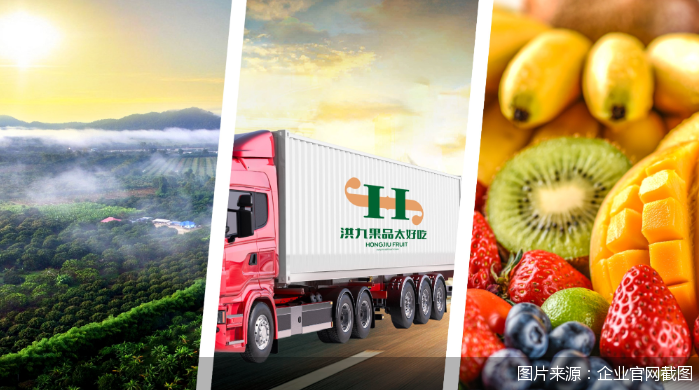
财报难产、高管被查,洪九果品终遭退市
Bei Jing Shang Bao· 2025-12-28 12:19
Core Viewpoint - Hongjiu Fruit, known as the "first fruit stock," is facing delisting after a series of financial and governance issues, including failure to disclose financial reports, stock suspension, and investigations into executives [1][3][5]. Group 1: Company Background and Performance - Hongjiu Fruit was founded in 2002 by Deng Hongjiu and Jiang Zongying, establishing itself as a multi-brand fresh fruit group with a differentiated competitive advantage through its cold chain logistics and direct procurement model [3][4]. - The company became the largest fruit distributor in China by sales revenue in 2022, with a revenue of 15.081 billion yuan, a year-on-year increase of 46.7%, and a net profit of 1.452 billion yuan, up 397.95% [3][4]. - Hongjiu Fruit went public on the Hong Kong Stock Exchange on September 5, 2022, with an initial share price of 40 HKD, achieving a market capitalization of nearly 19 billion HKD on its first trading day [3][4]. Group 2: Financial Issues and Suspension - The turning point occurred on March 20, 2024, when Hongjiu Fruit was suspended from trading due to its inability to disclose the 2023 financial report, with KPMG raising concerns about the company's prepayment balance of approximately 4.47 billion yuan [4][5]. - As of the suspension date, the company's stock price had dropped over 95% to 1.74 HKD per share, resulting in a market capitalization of about 2.795 billion HKD [4][5]. Group 3: Governance and Legal Challenges - Multiple executives, including Chairman Deng Hongjiu, are under investigation for alleged loan fraud and issuing false VAT invoices, leading to various criminal measures against them [5][6]. - The company has faced ongoing financial pressure, leading to a court application for restructuring and pre-restructuring, while also considering bringing in strategic investors to support its recovery plan [6][7]. Group 4: Future Challenges and Recommendations - Experts suggest that the core issues leading to delisting are a flawed business model and ineffective corporate governance, with recommendations for Hongjiu Fruit to optimize its supply chain, embrace e-commerce, and restructure its governance to rebuild market trust [7].
西藏珠峰控股股东遭立案调查,黄建荣家族股权流失背后的资本往事
Hua Xia Shi Bao· 2025-07-19 13:19
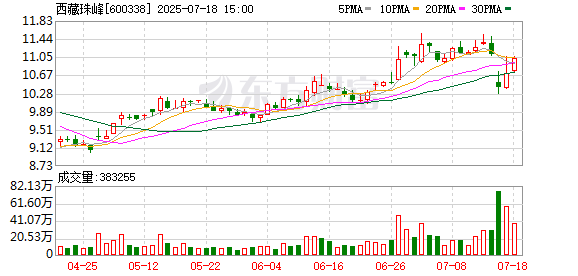
Core Viewpoint - The company Tibet Summit (600338.SH) is facing significant challenges due to its controlling shareholder, Tachen International Resources Co., Ltd., being investigated for information disclosure violations by the China Securities Regulatory Commission (CSRC) [2][3] Group 1: Regulatory Issues - Tachen International has been formally investigated for information disclosure violations, which is not the first instance of such issues [3] - The company has a history of frequent regulatory penalties, with 21 instances of penalties recorded over the past three years, including issues related to undisclosed agreements and incomplete disclosures [3][4] - The management team, including the chairman and several executives, has faced multiple regulatory warnings, indicating systemic governance issues [3][4] Group 2: Shareholding and Financial Status - Tachen International's shareholding in Tibet Summit has significantly decreased from 38.25% to 7.59% due to judicial freezes and forced sales of shares [6][7] - Recently, 3.5 million shares were sold at a discount, resulting in a transaction price of 9.64 yuan per share, which is approximately 13% lower than the market price [6] - The company has been experiencing declining revenue and profits, with 2024 revenue reported at 1.639 billion yuan and net profit at 230 million yuan, down from 2.049 billion yuan and 715 million yuan in 2021, respectively [7][8] Group 3: Debt and Financial Challenges - Tachen International is embroiled in a debt crisis, with total remaining debts around 1.5 billion yuan, primarily due to multiple loan defaults and legal disputes [7][8] - The company's financial troubles are linked to historical capital operations by the chairman, leading to significant liabilities and subsequent share freezes [7][8] - Despite these challenges, Tibet Summit is advancing its lithium salt project in Argentina, which has received environmental approval and aims to produce 10,000 tons of lithium carbonate annually [8]

*ST正平年报回复暴露资金黑洞:子公司遭小股东“掏空”,1.9亿补流资金逾期难还
Xin Lang Zheng Quan· 2025-07-04 09:24
Core Viewpoint - The recent disclosures from *ST Zhengping reveal significant governance issues, including misuse of funds, undisclosed guarantees, and internal control failures, raising concerns about the company's financial health and operational integrity [2][3][4]. Group 1: Financial Mismanagement - The company’s subsidiary, Guizhou Water Conservancy, has been used as a "cash machine," with non-operational fund occupation amounting to 13.21 million yuan, primarily for repaying high-interest private loans and daily expenses [2]. - A guarantee of 35 million yuan was provided by a controlling shareholder for an affiliated company without any formal approval process, highlighting a lack of corporate governance [2]. - The company has delayed the repayment of 190 million yuan raised for a project, citing various issues, which raises liquidity concerns [2]. Group 2: Audit and Legal Issues - The audit firm, Dahua CPA, issued a qualified opinion due to significant discrepancies in revenue and costs, with 2024 revenue reported at 1.362 billion yuan (down 28.53% year-on-year) and costs at 1.434 billion yuan (down 23.47% year-on-year), indicating potential revenue recognition fraud [3]. - The company faces a growing number of lawsuits, with 208 cases involving a total of 139 million yuan, yet it has not accounted for any expected liabilities, raising questions about the completeness of its financial obligations [3]. Group 3: Internal Control Failures - Despite claims of establishing an internal control team and revising policies, frequent turnover in key positions and unauthorized guarantees by the controlling shareholder indicate a lack of effective governance [4]. - The company’s stock has been marked as "*ST" due to ongoing concerns about internal controls and the uncertainty of continued operations, with overdue funds and unrecouped amounts further exacerbating the situation [4].
