关税堡垒

Search documents
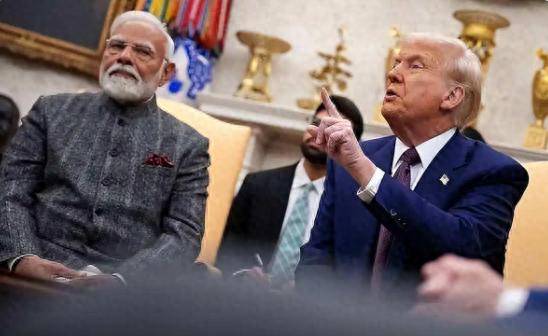
不服就干!印度打响反击第一枪,通告全球,断的就是特朗普退路!
Sou Hu Cai Jing· 2025-07-07 09:51
Core Viewpoint - India has announced retaliatory tariffs on U.S. goods amounting to $725 million, disrupting the U.S. negotiation strategy and signaling India's refusal to be pressured by the U.S. ultimatum [1][12][24] Group 1: Trade Relations - The retaliatory tariffs come just before the expiration of a 90-day grace period set by the U.S. for countries that have not signed trade agreements [3][7] - India has formally notified the WTO of its intention to impose tariffs on U.S. agricultural products, dairy, and industrial goods [12][10] - The U.S. tariffs are expected to impact American exports of almonds, apples, and legumes, particularly affecting Republican strongholds in California and Texas [29] Group 2: Geopolitical Implications - India's response indicates a shift in its national strategy, moving away from dependency on the U.S. and asserting its own interests [12][24] - The ongoing geopolitical tension suggests that if the U.S. continues to pressure India, it may lead to closer ties between India and countries like China and Russia, potentially forming an anti-U.S. coalition [26][24] - The situation reflects a broader global trend where countries are increasingly resisting U.S. unilateralism, as seen with traditional allies like the EU and Japan also pushing back [22] Group 3: Domestic and International Reactions - India's decision to impose tariffs is a significant departure from its usual slow decision-making process, indicating a more assertive stance in international trade [12][9] - The Indian government is motivated by a desire to protect its agricultural sector, which is crucial to its economy and national pride [13][16] - The situation has been influenced by China's experience in handling U.S. trade pressures, serving as a model for India to adopt a more confrontational approach [20]