关系数据库

Search documents
【干货】7天入门SQL?不用?一天就够,真不难!
Sou Hu Cai Jing· 2026-01-20 09:29
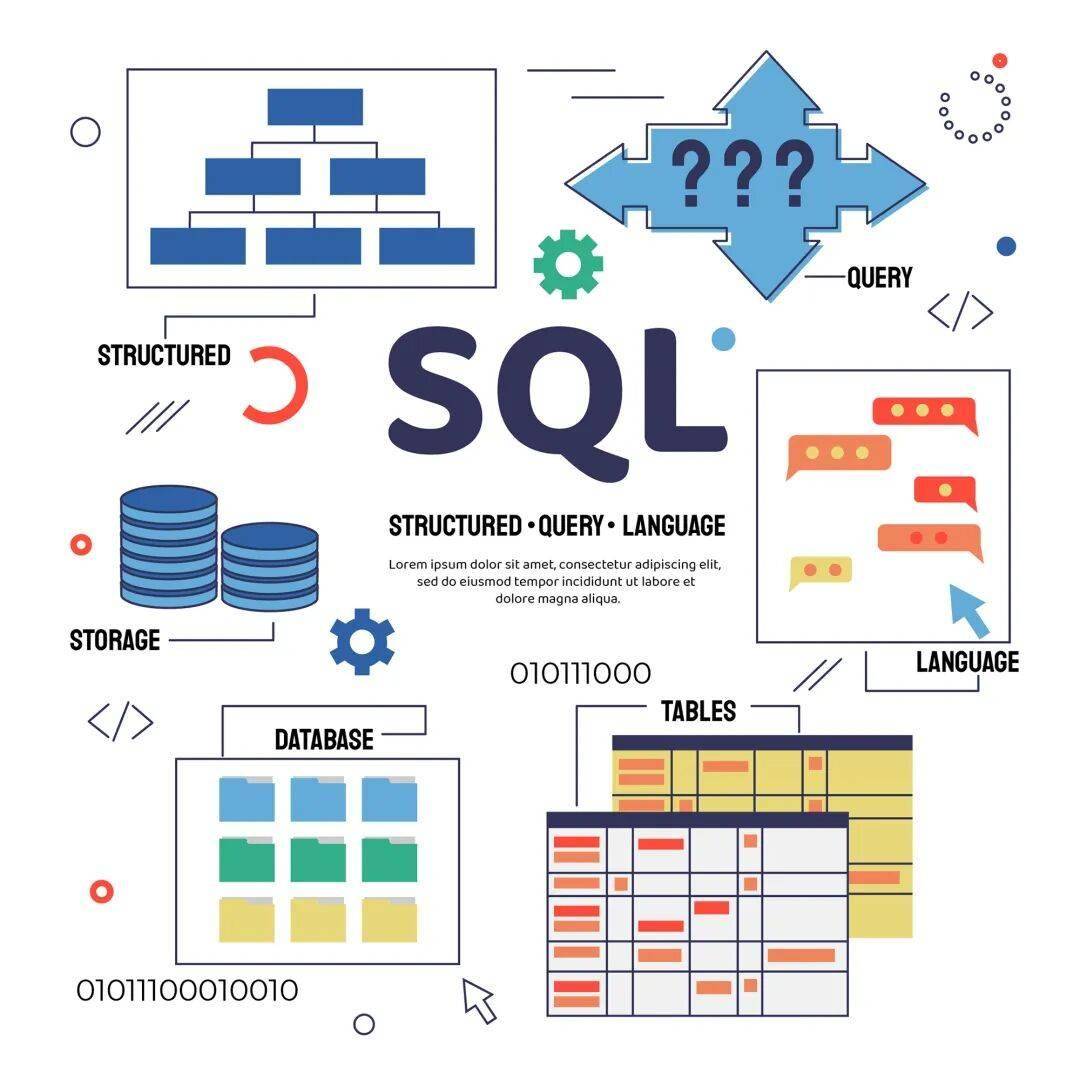
Core Insights - SQL (Structured Query Language) is the standard language for managing relational databases and is essential for data products [1] Group 1: Basic Concepts - A database is a repository for storing data, while a table is the logical organization of data within a database, consisting of rows (records) and columns (fields) [3] - A field represents a column in a table, with each field having a specific data type such as integer, text, or date [3] Group 2: SQL Functionality - SQL is categorized into four main types: Data Definition Language (DDL), Data Manipulation Language (DML), Data Query Language (DQL), and Data Control Language (DCL) [5][7] - DDL is used to define database objects like creating, modifying, and deleting databases and tables, with common statements including CREATE, ALTER, and DROP [5] - DML is for manipulating data within database tables, including operations like INSERT, UPDATE, and DELETE [5] - DQL is primarily for querying data from databases, with the SELECT statement being the most common [5] - DCL controls user access to the database, including granting and revoking permissions [5] Group 3: Database Management Systems - MySQL is an open-source relational database management system widely used in various web applications, with a straightforward installation process [8] - Microsoft SQL Server is a powerful relational database management system developed by Microsoft, suitable for enterprise-level application development [10] - SQLite is a lightweight embedded database that does not require a separate server process, making it ideal for beginners and small applications [11] Group 4: Basic Syntax and Queries - Simple queries can be executed using the SELECT statement to retrieve data from tables, such as SELECT * FROM employees [13] - Conditional queries can be performed using the WHERE clause to filter records based on specific conditions, e.g., SELECT * FROM employees WHERE department = 'Sales' [13] - Data can be inserted into tables using the INSERT INTO statement, updated with the UPDATE statement, and deleted with the DELETE FROM statement [14] Group 5: Joins and Multi-table Queries - Inner Join returns matching records from two tables, while Left Join returns all records from the left table and matching records from the right table [15] - Right Join returns all records from the right table and matching records from the left table, and Full Join returns all records from both tables regardless of matches [15] Group 6: Practical Application - It is recommended to create a small database application, such as a student information management system or a library management system, to enhance practical skills in database design and data manipulation [16]

新全球首富,乔布斯生前好友,为什么是他?
3 6 Ke· 2025-09-15 01:37
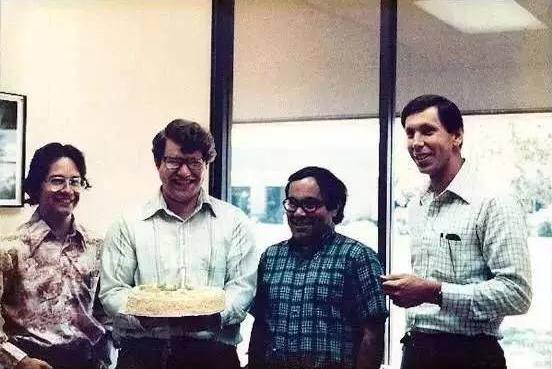
Core Insights - Larry Ellison, the founder of Oracle, has become the world's richest person with a net worth nearing $400 billion, largely due to Oracle's significant market growth and stock price increase since 2020 [2][17] - Oracle has experienced continuous growth for five years, with its market capitalization reaching $830 billion, making it one of the largest beneficiaries of the AI era alongside Nvidia [2][17] - The name "Oracle" was chosen to symbolize the company's database software as a key to unlocking the unknown, and it was later localized to "甲骨文" (Oracle Bone Inscriptions) for the Chinese market, enhancing its appeal [9][12] Company History - Oracle was founded in 1977 by Larry Ellison and his colleagues with an initial investment of $2,000, and it was originally named Relational Software Inc. [3][6] - The company was renamed Oracle in 1982 to reflect the success of its database software [7][33] - Oracle entered the Chinese market in 1989, becoming one of the first foreign software companies to do so, and its localized name helped it gain a foothold [12][14] Market Position - Oracle has maintained a dominant position in the database market for over three decades, with its products widely used across critical industries such as finance, healthcare, and retail [14][60] - Despite facing competition from emerging Chinese data companies, Oracle's established technology and brand reputation have allowed it to remain resilient in the market [61][62] - The company has a comprehensive business model based on cloud computing and enterprise application software, which continues to show significant growth potential as global demand increases [61][62] Challenges and Resilience - Oracle faced significant challenges in the early 1990s, including a drastic drop in market value and layoffs, but successfully restructured and returned to profitability within a year [39][43] - The company has consistently innovated, launching advanced products like Oracle 7.0 and Oracle 8.0, which contributed to its resurgence and growth in sales [44][60] - Oracle's ability to adapt and evolve its technology has been crucial in maintaining its competitive edge in the software industry [60][61]