养老保障体系改革

Search documents
刘世锦:提高低收入群体养老金水平是有效扩大消费的重要突破口
和讯· 2025-12-24 10:25
Core Viewpoint - The article emphasizes that China's low consumption is primarily due to structural issues, particularly high savings rates and insufficient pension assets, which hinder consumer spending and economic growth [5][7][11]. Group 1: Consumption and Savings Dynamics - China's consumption rate is significantly lower than the global average, with a GDP consumption share of 44.46% in 2021, which is about 20 percentage points below the global average [7]. - In 2022, China's total GDP was 120 trillion yuan, with total savings at 55 trillion yuan, resulting in a savings rate of 46% and a corresponding consumption rate of approximately 54% [8]. - The high savings rate is attributed to low corporate dividends and a concentration of wealth among high-income groups, with corporate savings accounting for 22.5% of GDP, which is notably high by international standards [8][9]. Group 2: Pension System and Consumption Potential - The disparity in pension levels across different income groups is significant, with urban workers receiving an average pension of 3,270 yuan per month, while rural residents receive only about 240 yuan per month [11][12]. - The low pension levels for low-income groups directly restrict their consumption capacity and contribute to a culture of precautionary savings among working-age individuals [11][12]. - Addressing the pension gap is seen as a crucial step to unlock consumption potential and stimulate economic growth [12]. Group 3: National Capital and Pension Fund Reform - China's pension assets are alarmingly low, constituting only 2.1% of total net assets, compared to 10%-30% in developed countries, indicating a need for substantial reform [13][14]. - The article suggests reallocating state-owned capital to bolster pension funds, with a proposal to transfer 20 trillion yuan of state-owned capital to social security funds over five years, aiming for a monthly pension increase to 1,000 yuan [17][18]. - This reallocation is expected to stabilize the stock market by increasing the proportion of long-term capital, which is currently low in China's capital markets [16][20]. Group 4: Expected Outcomes of Reforms - The proposed reforms are projected to generate an additional demand of 8.3 trillion yuan from 2026 to 2030, potentially increasing GDP growth by 0.3 to 0.5 percentage points annually [20]. - The reforms aim to narrow the pension income gap between urban and rural residents, reducing the disparity from a ratio of 15:1 to approximately 3.5:1 by 2030 [20][21]. - The shift of state-owned capital to pension funds is also expected to enhance the stability and maturity of China's capital markets, aligning them more closely with international standards [20][21].


郑秉文:呼吁提高个人养老金税收优惠额度,将12000提高至24000
Xin Lang Cai Jing· 2025-12-19 07:42
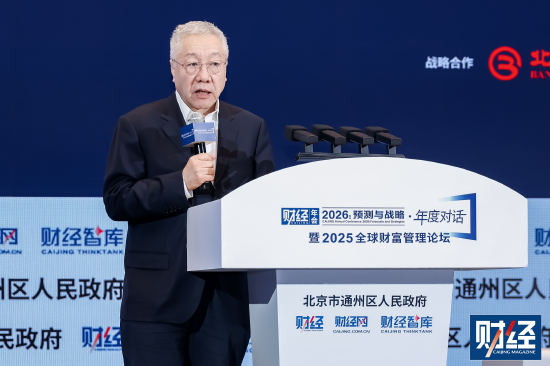
Core Insights - The article discusses the upcoming 2025 Global Wealth Management Forum in Beijing and highlights key reforms in China's pension system as outlined by Zheng Bingwen, Director of the World Social Security Research Center at the Chinese Academy of Social Sciences [2][7]. Group 1: Pension System Reforms - The reforms focus on three main areas: enhancing pension wealth reserves, improving the core pension insurance system, and accelerating the development of a multi-tiered pension system [2][7]. - The government aims to strengthen the national social security fund as a sovereign pension fund to provide stable long-term capital for the capital market [2][7]. - The core pension insurance system will be improved by implementing nationwide basic pension insurance and refining the actuarial system to address demographic challenges [2][7]. Group 2: Specific Innovation Suggestions - Zheng proposes optimizing the enterprise annuity system by eliminating the unit contribution attribution period and allowing real-time contributions to personal accounts, similar to the housing provident fund model [8]. - The introduction of innovative pension financial tools, such as lifecycle funds and target date funds, is suggested to simplify personal investment choices and enhance participation in personal pension insurance [8]. - To improve the reverse mortgage insurance pilot program, Zheng recommends policy enhancements, including a guarantee mechanism to reduce risks and the promotion of real estate trust property registration systems [8]. Group 3: Tax Incentives - Zheng highlights that while pension withdrawals are tax-exempt, there is room for improvement in tax support during the contribution phase [4][8]. - He advocates for increasing the annual personal pension contribution tax exemption limit from 12,000 yuan to 24,000 yuan to better meet long-term wealth accumulation needs for families [4][8].