
写意精神

Search documents
徐渭:一代宗师的坚守与艰难
Xin Lang Cai Jing· 2026-02-08 15:29
Core Viewpoint - Xu Wei, a master of the freehand brushwork style in Chinese painting, was not widely recognized during his lifetime, facing poverty and illness, which highlights the disconnect between artistic innovation and contemporary acceptance [1][3]. Group 1: Artistic Style and Reception - Xu Wei's freehand brushwork style deviated from the mainstream aesthetics and creative paradigms of the late Ming dynasty, which favored meticulous and refined techniques [3][4]. - The dominant styles of the time, such as the court style and the Wu School, emphasized precision and elegance, which Xu Wei's work rejected in favor of emotional expression and spontaneity [4][6]. - His works, characterized by chaotic brush strokes and abstract forms, were seen as lacking refinement and were often dismissed as "wild" or "unorthodox" by the literati class [4][7]. Group 2: Emotional Expression in Art - Xu Wei's art was a direct projection of his emotional turmoil, channeling feelings of depression, anger, and solitude into his brushwork, contrasting sharply with the restrained emotional expression typical of the literati paintings [6][10]. - The emotional intensity and rawness of Xu Wei's work were perceived as incompatible with the aesthetic values of the literati, who preferred subtlety and moderation in emotional expression [6][12]. Group 3: Historical Context and Legacy - The primary consumers of art during the late Ming dynasty were the court, aristocrats, and literati, who favored styles that aligned with their social status and aesthetic preferences, making Xu Wei's work less marketable [6][7]. - Xu Wei's innovative approach to art was not appreciated until later generations, such as the Eight Eccentrics of Yangzhou and Qi Baishi, recognized and further developed his freehand style [10][12]. - His life story reflects the broader challenges faced by traditional literati artists, who often struggled to find a sustainable livelihood outside the officialdom and mainstream artistic circles [12][13].

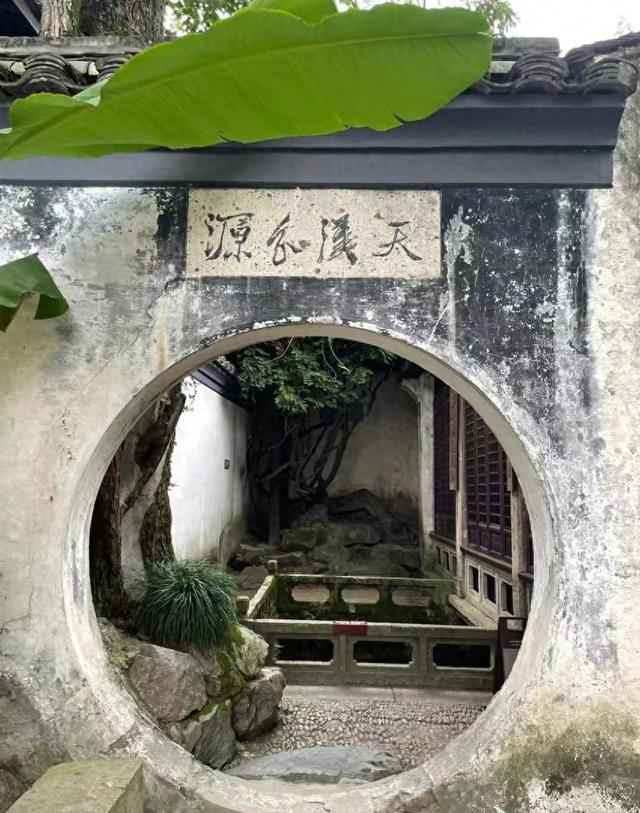
哭之笑之,四百年来第一流
Xin Lang Cai Jing· 2026-02-07 07:21
Core Viewpoint - The article discusses the enduring legacy and modern relevance of the artist Ba Da Shan Ren (Eight Great Mountain Man), highlighting upcoming exhibitions and the profound impact of his work on Chinese art history [7][8]. Group 1: Historical Context and Artistic Evolution - Ba Da Shan Ren, originally a member of the royal family, faced a dramatic life change after the fall of the Ming dynasty, leading him to seek refuge in monastic life and ultimately influencing his artistic expression [8]. - His art reflects a transition from emotional expression to existential recognition, shaped by personal and historical trauma [8][9]. - The artist's works are characterized by a minimalist approach, utilizing empty spaces and sparse elements to convey deeper meanings and emotional weight [9][10]. Group 2: Artistic Techniques and Philosophical Underpinnings - Ba Da Shan Ren's paintings exhibit a deliberate simplicity, where the use of negative space and restrained composition creates a unique visual tension [9][13]. - His works are influenced by Zen Buddhism, emphasizing a non-conventional perspective that challenges traditional representations and invites viewers to engage with the art on a deeper level [11][12]. - The artist's later works reflect a shift towards broader existential themes, moving away from nationalistic sentiments to focus on individual human experience and value [14][15]. Group 3: Influence and Legacy - Ba Da Shan Ren's art has had a lasting impact on subsequent generations of Chinese artists, serving as a source of inspiration and a catalyst for artistic innovation [15][16]. - His minimalist style and philosophical depth resonate with modernist principles, offering a classical prototype that influences various fields beyond painting, including architecture and design [15][16]. - The artist's ability to convey profound meaning through simplicity has established him as a pivotal figure in the evolution of Chinese art, continuously inviting reinterpretation and engagement from contemporary audiences [16].

油彩,激活写意灵魂——中国写意油画的本土建构与当代探索
Xin Lang Cai Jing· 2026-01-31 19:28
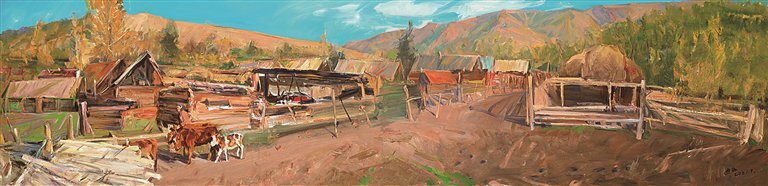
Core Viewpoint - Chinese expressive oil painting has evolved from early imitation of Western styles to establish a unique artistic language system that embodies Eastern charm and cultural confidence [1][8]. Group 1: Exploration of Expressive Spirit - The essence of expressive oil painting lies in the contemporary interpretation and practice of the expressive spirit, emphasizing "intention over form" and focusing on capturing the essence and spirit of the subject rather than mere realistic representation [2][3]. - The independent aesthetic value of brushwork is a key pursuit in expressive oil painting, where brushstrokes carry emotional rhythm and strength, akin to Chinese calligraphy [2][3]. Group 2: Cultural and Aesthetic Innovations - Chinese expressive oil painting breaks away from Western fixed perspectives, adopting concepts like "scattered perspective" and "wandering observation," creating a psychological space that resonates with traditional Chinese aesthetics [3][8]. - The genre actively explores the interplay of "void" and "reality," utilizing oil paint characteristics to create a sense of space and atmosphere, reflecting the wisdom of traditional Chinese painting [3][8]. Group 3: Artistic Responses to Reality - Recent practices in expressive oil painting are rooted in the realities of life, with artists drawing inspiration from nature and local experiences, merging personal feelings with contemporary spirit [4][8]. - Works like Zhang Lujiang's "Wood Mamahuang" and Wang Jianguo's "Wind Blowing the Earth" illustrate the deep understanding of regional characteristics and humanistic care through their artistic expressions [4][8]. Group 4: Language and Style Innovations - The language of Chinese expressive oil painting showcases diverse paths and rich forms, blending Western modernist techniques with Chinese expressive spirit, resulting in unique visual rhythms [5][8]. - Artists like Yan Ping and Wang Keju demonstrate the subjective reconstruction of natural landscapes through strong color contrasts and simplified forms, reflecting the open and inclusive nature of language innovation in this genre [5][8]. Group 5: Cultural Identity and Confidence - The development of Chinese expressive oil painting reflects a profound cultural awareness and confidence, rooted in traditional aesthetics while addressing contemporary realities [7][8]. - This genre not only explores grand themes and delicate emotional expressions but also serves as a deep reflection on cultural identity, proving that cultural vitality lies in the ability to absorb and renew through openness [8].
妙在“写”神 贵在达“意”
Ren Min Ri Bao· 2025-10-11 21:53
Core Viewpoint - The exhibition "Valuable in Meaning: Tribute to Classics - National Freehand Brushwork Art Exhibition" at the National Art Museum of China has attracted significant visitor interest during the National Day and Mid-Autumn Festival holidays, highlighting the cultural importance of night visits to the museum [1]. Group 1: Exhibition Overview - The exhibition features nearly 600 works across various art forms, including Chinese painting, oil painting, printmaking, sculpture, watercolor, installation, and new media, showcasing a dialogue between traditional and contemporary art [1]. - The exhibition aims to explore the spirit of freehand brushwork within the context of contemporary artistic development, encouraging artists to delve into and promote excellent traditional Chinese culture [2]. - The exhibition is structured into three parts: classic collections, invited works that include new art forms, and selected pieces from over 2,800 submissions, reflecting contemporary artists' interpretations of freehand brushwork [2]. Group 2: Artistic Philosophy - Freehand brushwork is described as an aesthetic expression embedded in Chinese cultural genes, transcending mere creative methods to embody a philosophical and spiritual essence of Chinese culture [1][2]. - The exhibition emphasizes the richness of freehand brushwork, not as a mere label but as a comprehensive cultural examination, inviting ongoing discussions and highlighting its ideological leadership and contemporary value [3]. Group 3: Visitor Engagement - The exhibition has received enthusiastic responses from the public, leading to extended night viewing hours and additional reservation slots to enhance visitor experience [5]. - The museum aims to create a unique spiritual space that connects reality with the human heart, allowing audiences to appreciate the vibrancy of Chinese culture and contemporary artistic expressions [5].
