分析师追踪

Search documents
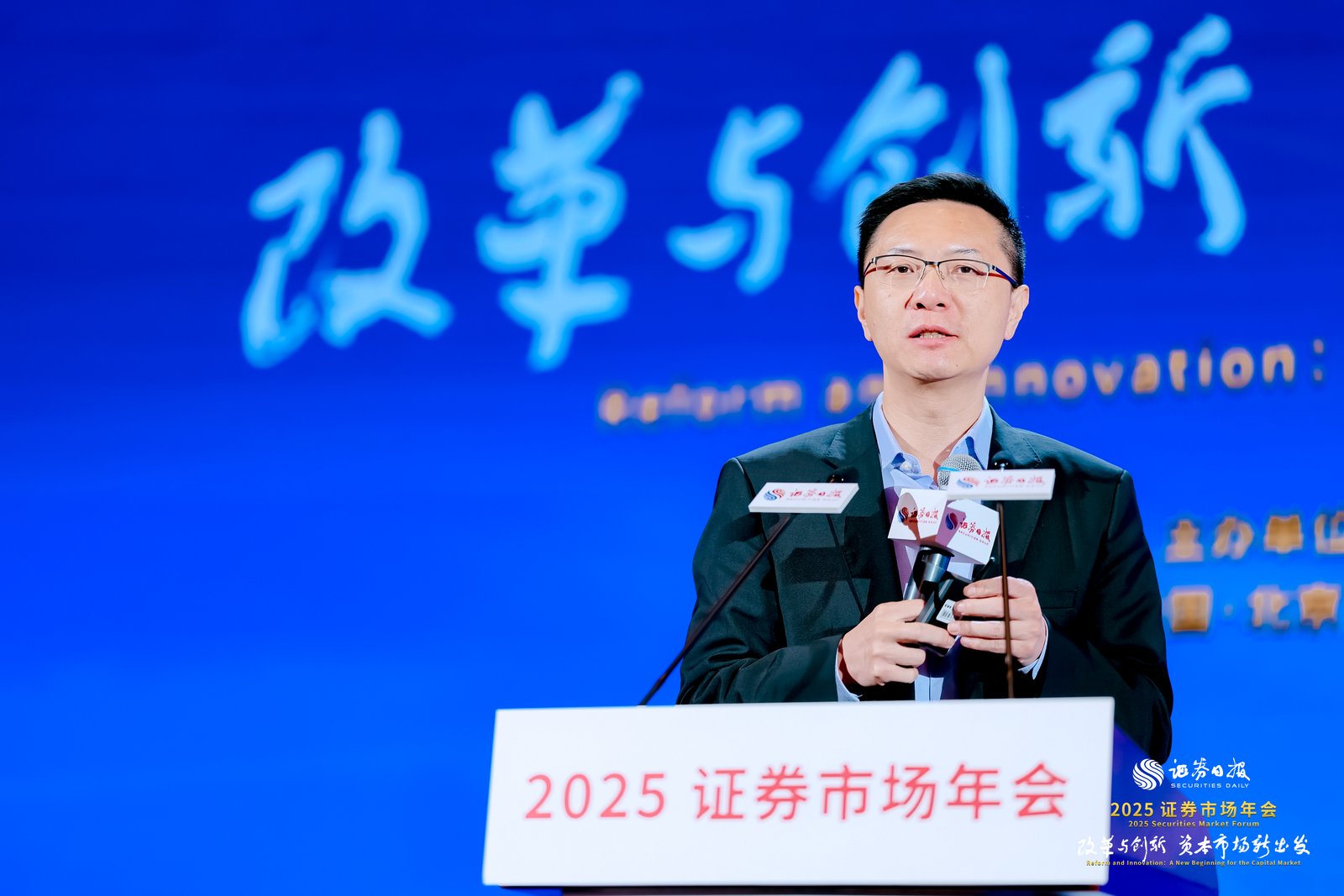
田轩:分析师太多反害企业,全盯着下季度每股收益,过多的分析师追踪,对企业创新不利
Xin Lang Cai Jing· 2026-01-16 08:43
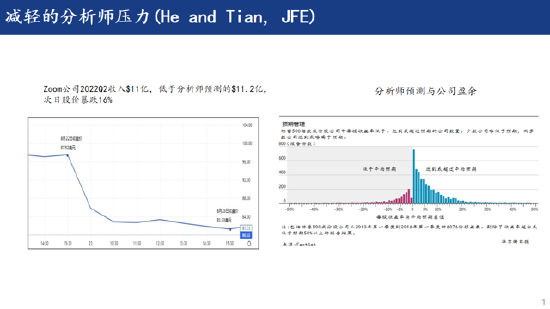
Group 1 - The 2026 Global and China Capital Market Outlook Forum was held on January 15, featuring discussions on the new logic of wealth in the AI era and the future of capital markets [1][7] - Tian Xuan, Dean of the National Institute of Financial Research at Tsinghua University, delivered a keynote speech titled "What Kind of Capital Market Do We Need?" [1][7] - Tian Xuan stated that analyst tracking reduces information asymmetry and highlighted that analysts can act as whistleblowers, identifying issues such as financial fraud [1][7] - However, excessive analyst tracking may negatively impact companies by focusing too much on quarterly earnings per share, which can hinder innovation [1][7]

田轩:我们需要什么样的资本市场
Zheng Quan Ri Bao· 2025-12-26 05:19
Core Viewpoint - The report emphasizes the need for a capital market that supports technological innovation and the development of the real economy, focusing on two main aspects: a more inclusive venture capital market and a "less aggressive" secondary market [2][13]. Group 1: Inclusive Venture Capital Market - A more inclusive venture capital market is essential to support technological innovation, which is characterized by long cycles, high uncertainty, and high failure rates [4]. - The report highlights the importance of being tolerant towards entrepreneurs and venture capital funds, allowing for failures and encouraging early-stage investments [5]. - The comparison of venture capital fund durations between the U.S. (10-12 years) and China (5-7 years) indicates a need for longer investment horizons to support early-stage and high-risk projects [5]. Group 2: Less Aggressive Secondary Market - The secondary capital market is crucial, with approximately 600-700 million individuals involved, and the central government has emphasized its importance in recent policy discussions [6]. - A "less aggressive" secondary market is proposed to provide a quieter environment for high-growth and innovative companies, reducing short-term pressures from investors and analysts [6][7]. - Mechanisms such as strong anti-takeover provisions and controlled board member turnover are suggested to maintain stability and encourage long-term innovation [8]. - The report argues that excessive stock liquidity can attract short-term investors, which may negatively impact a company's innovation efforts [9]. - Long-term institutional investors are needed to better support innovative companies, as they can provide stability and oversight, especially during periods of failure [10]. - Reducing analyst pressure and the frequency of earnings disclosures can help alleviate short-term performance pressures on companies, allowing them to focus on long-term innovation [11][12]. Conclusion - A well-designed capital market that is both inclusive and less aggressive is essential for fostering an environment conducive to technological innovation and supporting the real economy [13].