创业挑战

Search documents
马云那句“房子如葱”,应验了有存款的人,正面临两个现实
Sou Hu Cai Jing· 2026-02-15 03:46
Group 1 - The core viewpoint is that housing prices have significantly declined across China, with an average drop of over 30% expected by 2025, affecting both first-tier and third-tier cities [2] - Cities like Hegang, Tieling, and Shuangyashan are experiencing prices as low as 3,000 to 4,000 per square meter, reflecting a return to levels seen a decade ago [2] - The decline in housing prices is not an isolated phenomenon but part of a broader trend affecting the real estate market [2] Group 2 - The decrease in housing prices is accompanied by a decline in bank interest rates, with one-year fixed deposits falling below 2%, leading to a perception that savings are "slowly shrinking" [5] - Many individuals are considering alternative investments, such as buying property, investing in stocks and funds, or starting businesses, but face significant challenges [5][9] - The investment landscape has become riskier, with many investors finding it difficult to sell properties and ordinary investors struggling to outperform the market [7] Group 3 - The entrepreneurial environment is increasingly challenging, with tight consumer spending, intense competition, and market saturation making it difficult for new businesses to succeed [9] - Many entrepreneurs find that their earnings do not cover basic expenses like rent, and the return on investment is taking longer than expected [9] - The message from influential figures like Jack Ma emphasizes the importance of caution in investment and entrepreneurship, advocating for stability and risk management over aggressive strategies [11]


从2026年起,手握100万以上存款的人,或将面临这3大挑战!
Sou Hu Cai Jing· 2025-12-11 04:40
Core Viewpoint - The article discusses the increasing trend of savings among both older and younger generations in China, highlighting the challenges faced by individuals with over 1 million yuan in savings due to declining interest rates, rising investment risks, and low success rates in entrepreneurship [1][3][13]. Group 1: Savings Trends - There is a growing enthusiasm for saving money among the Chinese population, with younger individuals increasingly participating in saving to prepare for unexpected events like unemployment and illness [1]. - Previously, the primary savers were middle-aged and older individuals due to their stable income and lower daily expenses [1]. Group 2: Challenges of Low Interest Rates - Starting from 2023, deposit interest rates have been on a downward trend, with the 3-year deposit rate dropping from 3.05% to 1.55%, resulting in a significant annual income loss of up to 15,000 yuan for those with 1 million yuan in savings [5]. - The decline in interest rates means that the purchasing power of savings is decreasing annually, as inflation outpaces interest income [5]. Group 3: Investment Risks - Many savers are turning to higher-yield investments like stocks and funds due to low deposit rates, but the risk of loss is high, with 81% of retail investors losing money in the first ten months of 2025, averaging a loss of 21,000 yuan [8]. - Public funds have also seen significant losses, with declines of 20-30% last year, and some bank wealth management products are beginning to show losses as well [9]. Group 4: Entrepreneurship Challenges - Young individuals are increasingly using their savings to start businesses, but the success rate is very low due to factors such as slow income growth, shrinking consumer demand, and rising operational costs [12]. - The article cites a specific case of a young entrepreneur who lost over 1 million yuan in a failed restaurant venture, illustrating the high risk associated with entrepreneurship in the current economic climate [12]. Group 5: Future Outlook - Industry experts suggest that individuals with over 1 million yuan in savings will face these three major challenges in 2026, but keeping money in the bank may still be safer than investing or starting a business at this time [13]. - There is an expectation that waiting for the right investment opportunities, such as in the stock or real estate markets, may yield better results once the current asset bubble is deflated [13].
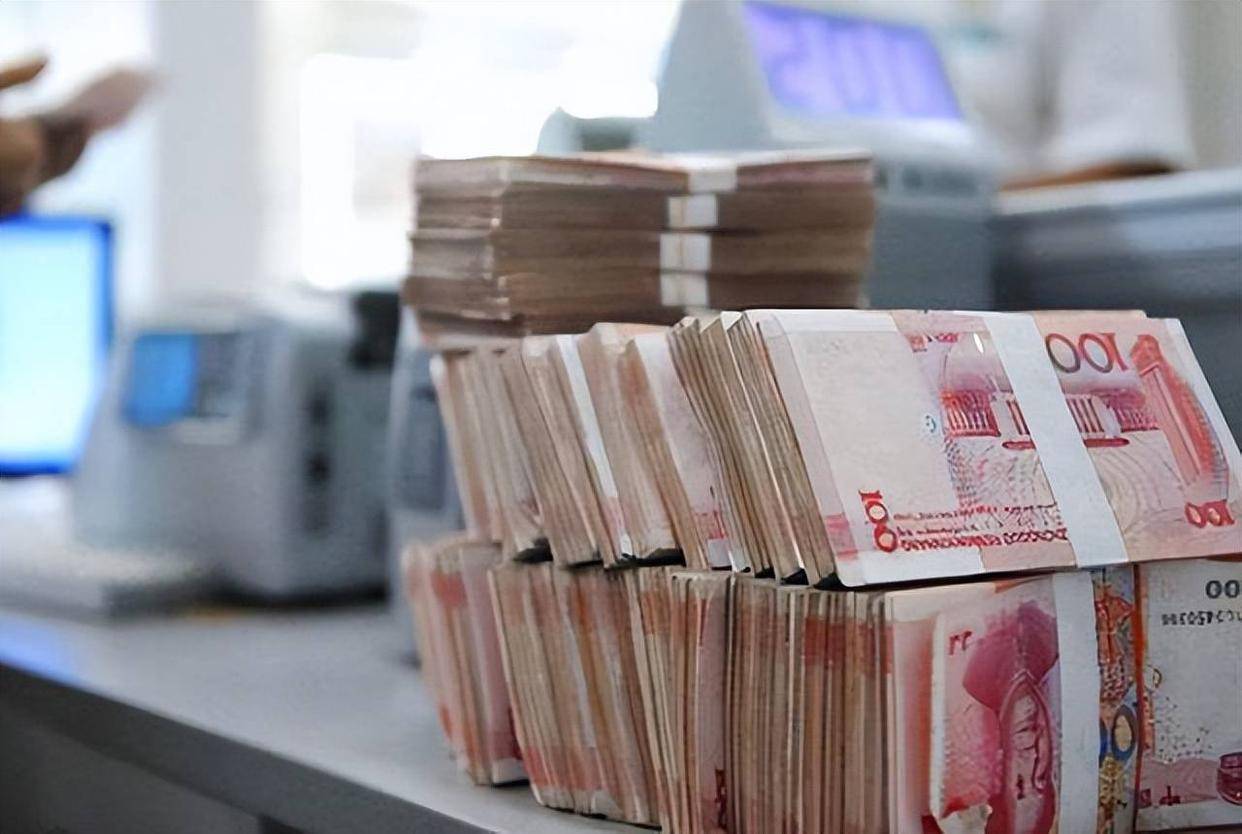
商界大佬预言成真?2025年,手握存款的人或面临三大挑战
Sou Hu Cai Jing· 2025-06-17 06:52
Core Insights - The prediction of "future housing prices like green onions" has become a reality in 2025, causing significant concern among the Chinese populace as the real estate market faces a downturn and deposit interest rates continue to decline [1][5]. Real Estate Market - The once soaring housing prices are undergoing a profound value reshaping, with cities like Zhengzhou and Shijiazhuang already feeling the market chill, and even first-tier cities like Shanghai experiencing a price drop from over 90,000 yuan per square meter in 2021 to over 60,000 yuan, a decline of 30% [3][5]. - In lower-tier cities, housing prices have plummeted to rock-bottom levels, with properties in places like Hegang and Fuxin available for as low as 3,000 to 4,000 yuan per square meter, indicating a significant shift away from viewing real estate as an investment [5][7]. Banking Sector - The banking industry is facing challenges with rising deposit volumes and declining loan demand, leading to reduced deposit interest rates as banks attempt to stimulate investment and consumption [7][9]. - For ordinary depositors, the reduction in interest rates poses a wealth preservation challenge, with rates for three-year deposits dropping from 3.25% to 2.15%, a decrease of one-third, and further declines anticipated [7][9]. Challenges for Depositors - **Challenge 1: Declining Deposit Rates** The trend of falling deposit rates is expected to continue, making it difficult for depositors without investment knowledge to navigate high-risk investment options, while the meager interest income fails to keep pace with inflation [9][10]. - **Challenge 2: Increased Investment Risks** Many depositors are turning to high-yield investments like stocks and funds, but the investment environment in 2025 is grim, with the A-share market losing approximately 26.94 trillion yuan in total market value and average losses of around 140,000 yuan per investor [10][11]. - **Challenge 3: Entrepreneurship Risks** In light of the declining deposit rates and tough job market, many view entrepreneurship as a last resort for financial freedom, yet the path is fraught with challenges, including lack of experience and intense market competition, leading to high failure rates [11][12].