创新药全链条发展

Search documents
从“中国新”到“全球新”:政策全链条如何重构创新药价值?
2 1 Shi Ji Jing Ji Bao Dao· 2025-07-10 08:21
Core Insights - The article discusses the significant advancements in China's innovative pharmaceutical sector, driven by policy reforms and capital market support, leading to a transformation from "following" to "leading" in global innovation [1][4][10] Policy and Regulatory Changes - The 2015 State Council document, known as "Document No. 44," redefined new drugs from "China new" to "global new," initiating a new era for pharmaceutical innovation in China [1] - Continuous reforms in drug supervision and approval processes, along with optimized medical insurance access mechanisms, have accelerated the pace of new drug approvals and clinical accessibility [1][4] - The implementation of the "Full Chain Support for Innovative Drug Development" plan in July 2024 aims to enhance policy support across various sectors, including pricing management, medical insurance, and financing [4][7] Market Dynamics and Growth - From 2015 to 2024, the number of globally first-approved innovative drugs in China surged from 3 to 39, marking a twelvefold increase and elevating China's global ranking from third to second [4] - In the first five months of 2025, over 20 Class 1 innovative drugs were approved, setting a record for the past five years [5] - The sales of the Chinese-developed anti-tumor drug, Zebutini, exceeded $2 billion in the U.S. market in 2024, reflecting the global competitiveness of Chinese innovative drugs [5] Challenges and Opportunities - Despite strong growth, the industry faces challenges such as discrepancies in value recognition of innovative drugs, obstacles in national negotiations for drug access, and issues with payment channels for high-value innovations [2][6] - The need for comprehensive policy support across the entire drug development chain is emphasized to overcome these challenges and enhance the global competitiveness of China's biopharmaceutical industry [2][6] Local Government Initiatives - Various regions, including Beijing and Shanghai, have established substantial biopharmaceutical funds to support innovative drug development, with Beijing setting up a fund of 20 billion and Shanghai 22.5 billion [6] - Local policies are increasingly focused on reducing approval times for clinical trials and enhancing support for innovative drug applications [9][10] Systemic Support Measures - The National Healthcare Security Administration and the National Health Commission introduced measures to address core bottlenecks in innovative drug development, including a dual-directory mechanism for basic medical insurance and commercial insurance [7][8] - The new policies aim to shorten the time from drug approval to inclusion in medical insurance from five years to one year, with 80% of innovative drugs expected to achieve insurance coverage within two years of launch [8][9]


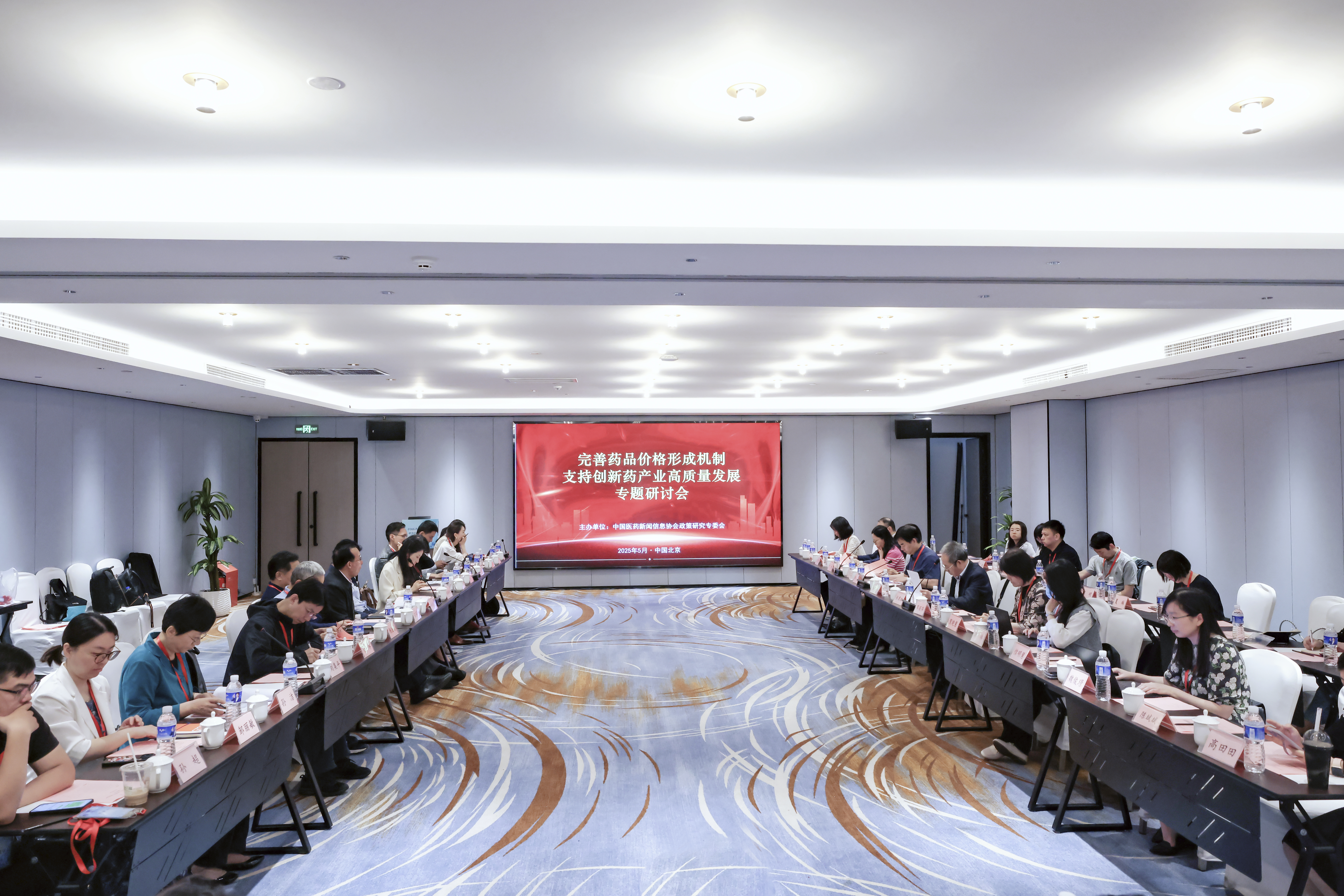
专家热议如何完善创新药价格形成机制,助力产业高质量发展
Zhong Guo Jing Ji Wang· 2025-05-20 03:04
Group 1 - The seminar focused on improving the drug pricing mechanism to support the high-quality development of the innovative drug industry in China [1][8] - The State Council approved the "Implementation Plan for Supporting the Development of Innovative Drugs," providing systematic guidance for R&D, approval, pricing, and payment processes [5] - The innovative drug sector is transitioning from "catching up" to "running alongside," with a stable pricing system and improved clinical application efficiency, but still faces challenges such as an imperfect return mechanism and risks in capital and technology collaboration [5][6] Group 2 - Experts emphasized the need for dynamic pricing adjustments based on the lifecycle value of drugs, with initial clinical value assessments and strategies to cope with generic competition [6][7] - International experiences from countries like the US, Germany, and Japan can help refine China's innovative drug pricing mechanism, highlighting the need for a collaborative government-market approach [6][7] - Suggestions were made to expand commercial health insurance coverage in public medical institutions and enhance data interoperability to support risk assessment [7] Group 3 - The seminar was organized by the Policy Research Committee of the China Pharmaceutical News Information Association, which plays a crucial role in promoting pharmaceutical policy research and communication [8] - The committee aims to summarize the seminar's outcomes and provide decision-making references for national policy formulation to foster industry development [8]