利率改革

Search documents
央行:新一年或推动利率改革,加强政策协同
Sou Hu Cai Jing· 2025-12-18 07:54
Core Viewpoint - The central bank is gradually shifting away from quantitative targets and focusing more on price-based regulatory tools for monetary policy [1] Group 1: Monetary Policy Adjustments - In the upcoming year, the central bank may further narrow the interest rate corridor, stabilize the government bond yield curve, and reform the loan market quotation rate [1] - There will be an emphasis on enhancing the coordination and linkage of interest rates to improve the transmission effect of monetary policy [1] Group 2: Fiscal and Monetary Policy Coordination - Strengthening the coordination between fiscal and monetary policies can help expand policy effectiveness [1] - There remains room for deeper cooperation in areas such as loan interest subsidies, risk compensation, credit enhancement, and government bond issuance [1]
没有选择的必选项~
Sou Hu Cai Jing· 2025-09-19 10:34
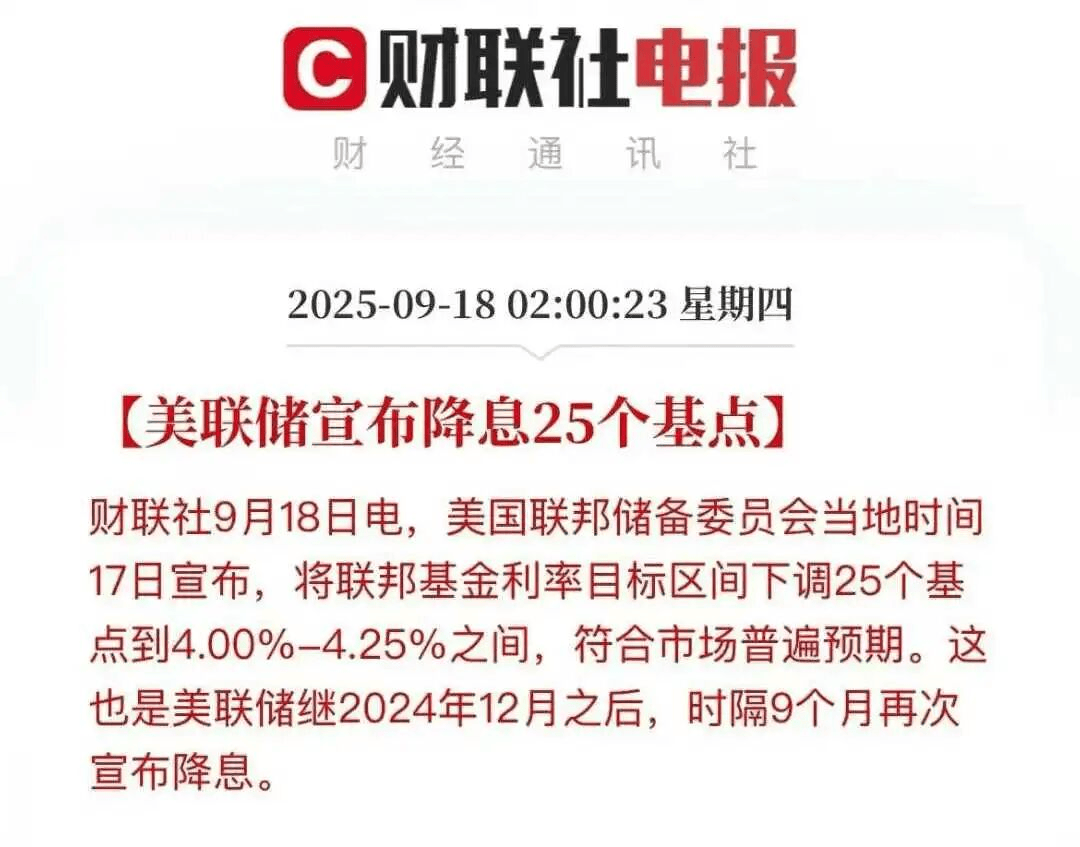
Group 1 - The Federal Reserve announced a 25 basis point interest rate cut, marking the first rate cut for the dollar in 2025, although it was less than the anticipated 50 basis points [1] - Over the past year, the Federal Reserve has experienced extreme monetary policy fluctuations, initiating three rate cuts in 2024 totaling 100 basis points after a series of aggressive rate hikes totaling 525 basis points [3] - The interest rate decisions of the Federal Reserve have led to immediate actions from the Hong Kong Monetary Authority, which reduced its discount window rate by 25 basis points to 4.5% [5] Group 2 - The current domestic economic growth rate is approximately 5-6%, and the mortgage rates are aligned with this growth, indicating a potential stagnation in investment if rates do not decrease [6] - A necessary condition for meaningful investment is for the mortgage rates to be lower than the economic growth rate, which would restore the value of assets and drive investment [6][7] - The expectation is that interest rates in China will need to be lowered to support economic growth and prevent a potential economic crisis due to stagnation in investment [8]