化石能源清洁高效利用

Search documents
读懂省级“十五五”规划建议中的“双碳”关键词
Zhong Guo Neng Yuan Wang· 2026-02-14 00:39
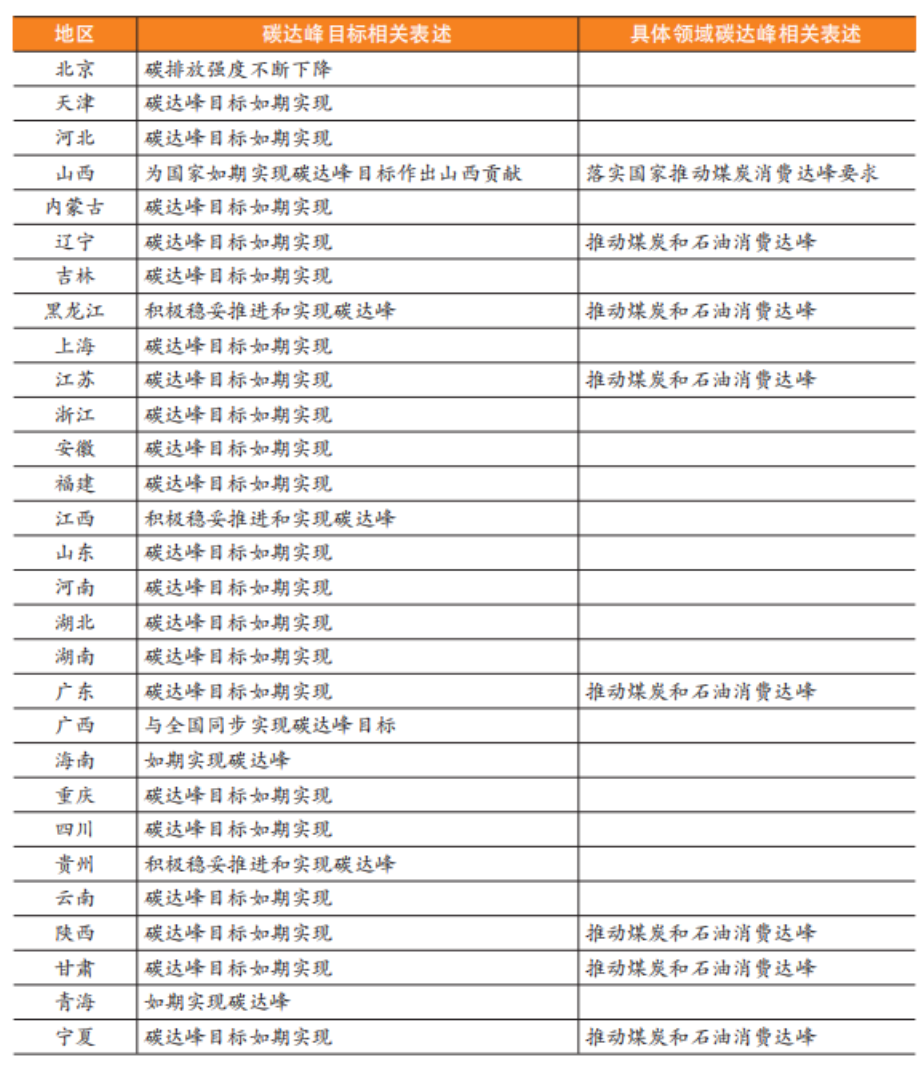
Core Insights - The article emphasizes the alignment of provincial "14th Five-Year" plans with national carbon neutrality goals, highlighting the importance of achieving carbon peak and dual control of carbon emissions as key objectives for local governments [1][2][7] Group 1: Carbon Peak and Dual Control - The "14th Five-Year" period is identified as a critical phase for China to achieve its carbon peak, with 28 provinces mentioning "carbon peak" in their plans [2] - The national strategy includes a shift from energy consumption dual control to carbon emissions dual control, with all 30 provinces committing to implement this system [2] Group 2: Non-CO2 Greenhouse Gas Emissions - There is an increased focus on controlling non-CO2 greenhouse gas emissions, with local plans reflecting a commitment to reduce these emissions in line with national targets for 2035 [3] Group 3: New Energy System Development - The establishment of a new energy system is highlighted as a priority, with all provinces outlining plans to enhance clean and low-carbon energy sources [4] - The national plan advocates for a diversified energy supply, emphasizing the development of solar and wind energy, with 28 provinces mentioning solar energy and 26 focusing on wind energy [4] Group 4: Clean and Efficient Use of Fossil Fuels - The clean and efficient use of fossil fuels is crucial for optimizing energy structure, with various provinces outlining measures to upgrade coal power and reduce coal consumption [5][9] - Specific initiatives include promoting carbon capture technologies and transitioning coal power from a primary energy source to a supportive role [5][9] Group 5: Green and Low-Carbon Energy Consumption - Enhancing electrification across sectors is a key strategy for promoting green energy consumption, with 18 provinces advocating for increased electrification levels [6][11] - Local plans include commitments to improve energy consumption efficiency and promote renewable energy usage in high-energy-consuming industries [6][11]

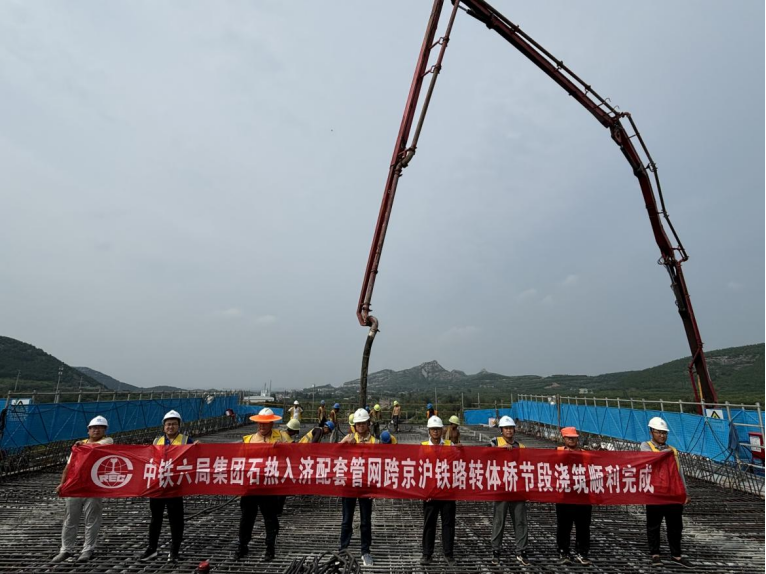
石热入济配套管网跨京沪铁路转体桥节段浇筑完成
Qi Lu Wan Bao· 2025-08-07 23:50
Core Viewpoint - The completion of the T-section concrete pouring for the Shihe-Ruijin supporting pipeline and the Beijing-Shanghai Railway interchange project marks a significant transition to the turntable preparation phase, laying a solid foundation for subsequent construction activities [1][3]. Group 1: Project Progress - The project, undertaken by China Railway Sixth Group, has successfully transitioned from the substructure construction phase to the turntable preparation phase [1]. - The project team has implemented a "day and night" continuous operation mode to optimize construction resources and minimize disruptions to railway operations [3]. - The project is currently advancing in pipeline laying, turntable weighing, and trial operations, with expectations for official operation before the heating season [3]. Group 2: Safety and Quality Measures - In response to the ongoing high temperatures in Jinan, the project team has adopted measures such as staggered construction, distribution of heat prevention supplies, and the establishment of rest pavilions to ensure the health and safety of construction personnel while maintaining quality control [3]. - The project team has focused on critical aspects such as formwork support and concrete pouring, ensuring that the quality of the beam structure meets standards [3]. - Enhanced communication and coordination with relevant units have been prioritized to ensure the safety of construction and railway operations [3]. Group 3: Environmental Impact - The Shihe-Ruijin project aims to utilize waste heat from the Tai'an Shiheng Power Plant, effectively integrating it into the main urban area of Jinan, promoting the clean and efficient use of fossil energy [3].