北斗/RTK高精度导航

Search documents
扛不住!又一家割草机器人开始破产清算,行业洗牌加剧,突围之路在何方?
机器人大讲堂· 2026-01-28 10:24
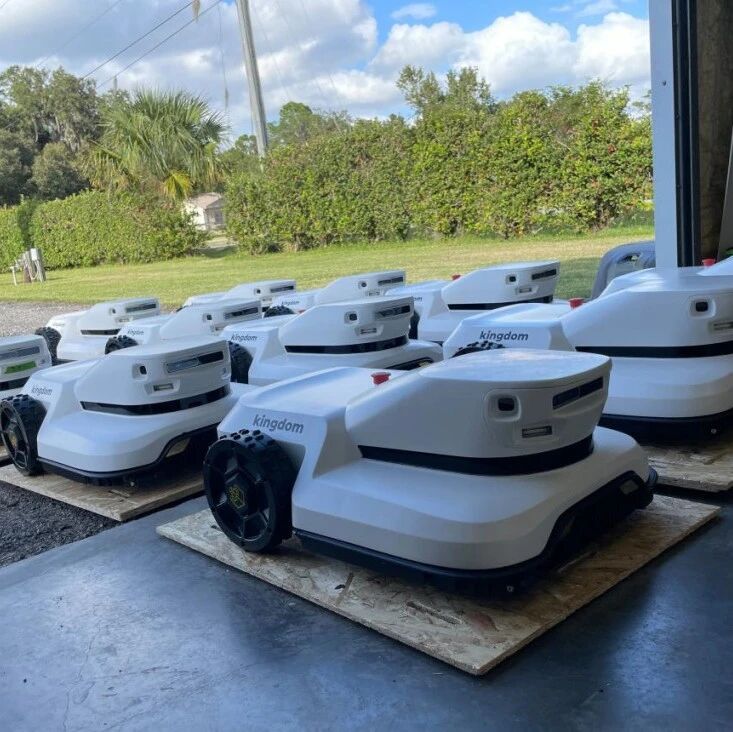
Core Viewpoint - The lawn mowing robot industry, once seen as a promising market following the success of robotic vacuum cleaners, is now facing significant challenges as several companies exit the market, highlighting a stark contrast between growth potential and survival difficulties [1][6]. Market Dynamics - Kingdom Technologies, a UK-based commercial lawn mowing robot manufacturer, has entered liquidation due to mismatches between technology maturity cycles, market conditions, and funding environments, compounded by intense competition [3][4]. - iRobot, a global leader in home robotics, announced the shutdown of its lawn mowing robot business in Q4 2025, signaling a major industry shift [4]. - Chinese company Senhe Innovation has also faced operational challenges due to team restructuring, manufacturing issues, and funding constraints, leading to its inability to sustain operations [4][6]. Market Growth Potential - Despite the challenges, the global lawn mowing robot market is projected to grow at a compound annual growth rate (CAGR) of 14.8%, potentially reaching $4 billion by 2030, driven by increasing demand for automated yard maintenance in Western households [7]. - Data from cross-border e-commerce platforms indicates a significant surge in China's smart lawn mower exports, which rose by 58.92% year-on-year in Q1 2025, reaching $1.01 billion, with platforms like Amazon and TikTok Shop contributing significantly to sales [7]. Survival Challenges - The survival crisis in the lawn mowing robot sector is attributed to a combination of technological, financial, market, and supply chain challenges [8]. Technological Challenges - The core technology competition has evolved from basic mobility and cutting to high-precision navigation, intelligent obstacle avoidance, and path planning, with outdated technologies being rapidly phased out [9][10]. - iRobot's decline exemplifies the risks of technological stagnation, as it failed to adopt advanced laser radar technology while competitors advanced in precision control [12]. Financial Pressures - The robotics industry is characterized by high research and capital intensity, requiring substantial funding for development, production, and market entry [13]. - The challenging financing environment has made it difficult for many small and medium-sized tech companies to secure necessary funding, especially when they lack clear profitability paths or technological barriers [13]. - Companies like Supoman have fallen into a vicious cycle of declining sales leading to reduced R&D investment and further product quality deterioration, ultimately resulting in financial collapse [15]. Competitive Landscape - The lawn mowing robot market has seen an influx of diverse competitors, including established consumer electronics brands and agile startups, intensifying competition [16]. - Major players like Anker Innovations and Ecovacs leverage their existing brand and supply chain capabilities to penetrate the market, while startups focus on niche areas to achieve rapid growth [16]. - Traditional power tool giants like Husqvarna maintain a significant market share, emphasizing the need for comprehensive capabilities in technology, product definition, supply chain management, and global marketing [16][18]. Future Outlook - The ongoing reshuffling and consolidation in the lawn mowing robot industry is expected to continue, driven by advancements in AI, high-performance sensors, and precision navigation technologies [19]. - The European and North American markets remain key growth engines, but competition is anticipated to become increasingly fierce [19]. - Companies must embed continuous technological innovation and deep user insights into their operations while adopting a global perspective to build competitive advantages in this rapidly evolving landscape [19].