北约内讧

Search documents
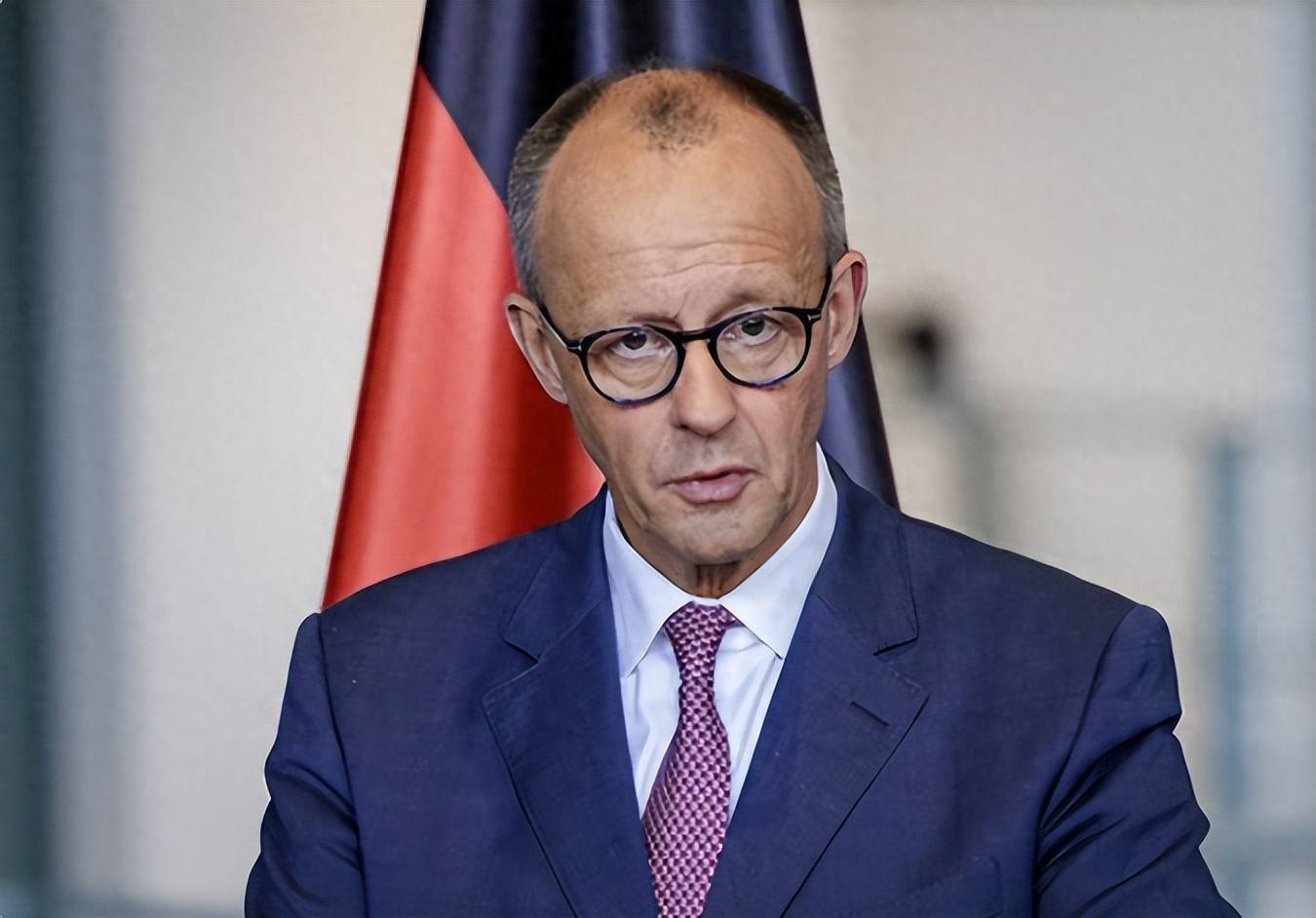
北约历史性一幕发生,77年来首次,德国总理决定:马上带人去中国
Sou Hu Cai Jing· 2026-01-19 09:57
Core Viewpoint - The recent crisis within NATO, triggered by Trump's tariff threats against European allies, has led to significant geopolitical shifts, particularly with Germany's decision to strengthen ties with China instead of aligning with U.S. interests [1][3][20]. Group 1: U.S. Tariff Threats - Trump announced a 10% tariff on goods from eight European countries starting February 1, escalating to 25% by June 1, citing the failure to purchase Greenland as justification [5][9]. - The affected European nations issued a joint statement condemning the tariffs as a threat to transatlantic relations, urging unity to defend their sovereignty [7][9]. Group 2: European Response - European leaders, including Macron and Merkel, expressed outrage and proposed countermeasures, including tariffs on $93 billion worth of U.S. goods and restrictions on U.S. companies in the EU [9][19]. - Germany's withdrawal of troops from Greenland was interpreted as a sign of weakness, but it was a strategic move to focus on economic cooperation with China [11][13]. Group 3: Germany's Shift Towards China - Germany is prioritizing economic collaboration with China, recognizing the importance of the Chinese market for its automotive and industrial sectors [15][20]. - Merkel's upcoming visit to China with a delegation of business leaders aims to solidify economic ties and serve as a model for other European nations to follow [19][22]. Group 4: Implications for NATO and Transatlantic Relations - The crisis highlights the internal divisions within NATO, as U.S. unilateralism pushes European allies to seek alternative partnerships, particularly with China [17][20]. - If the U.S. continues its aggressive tariff policies, Europe is likely to deepen its cooperation with China, further straining transatlantic relations [22].