中欧合作

Search documents
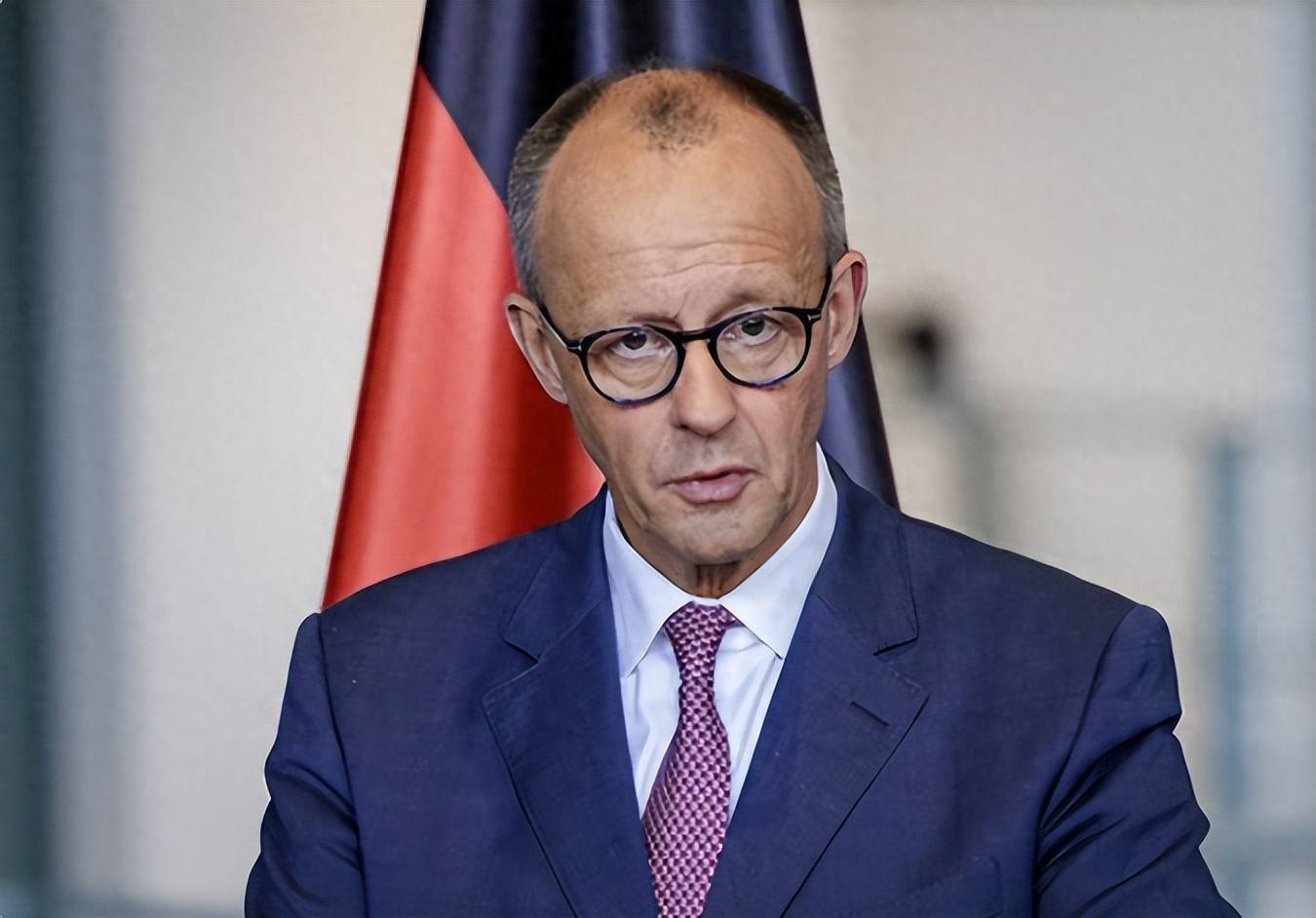
匈牙利总理:中国不可战胜
21世纪经济报道· 2026-03-29 03:34
Core Viewpoint - The article emphasizes the resilience and cultural strength of China, as articulated by Hungarian Prime Minister Viktor Orbán, who asserts that underestimating China's capabilities is a significant misjudgment [1]. Group 1 - Orbán states that China's return to prominence is akin to its historical status as one of the oldest and most successful civilizations before Western dominance [1]. - The necessity of coexistence between Central and Eastern Europe and China is highlighted, indicating that competition is not the sole element of the global future, but cooperation is equally important [1].

匈牙利总理:中国不可战胜
财联社· 2026-03-28 21:58
Core Viewpoint - Hungary's Prime Minister Orban asserts that "China is invincible," emphasizing that any belief in defeating China is a misjudgment of the situation [1] Group 1 - Orban highlights China's strength lies in its vitality and culture, stating that "China has returned" to its historical prominence as one of the oldest and most successful civilizations before Western dominance [1] - The necessity of coexistence is emphasized, with Orban noting that while there is competition between Central and Eastern Europe and China, cooperation is equally important and should not be overlooked [1]
“顶配团”随行,默茨新春访华有看点
Zhong Guo Xin Wen Wang· 2026-02-24 12:03
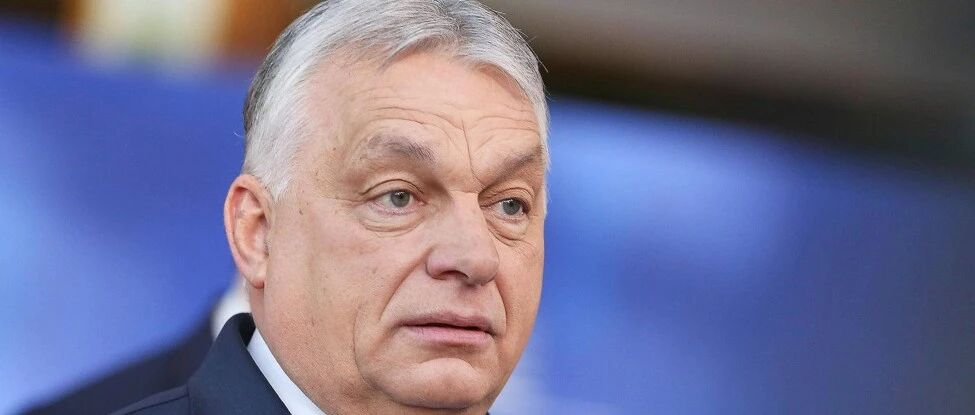
Group 1 - German Chancellor Merz will visit China from February 25 to 26, marking his first visit since taking office and making him the first foreign leader to visit China in the Year of the Horse [1] - The visit aims to strengthen bilateral relations, with discussions planned between Merz and Chinese President Xi Jinping, as well as Premier Li Qiang [1] - A high-level economic delegation of about 30 executives from leading German companies in sectors such as automotive, chemicals, biopharmaceuticals, and machinery will accompany Merz [1][2] Group 2 - The visit underscores Germany's commitment to deepening economic ties with China, despite some EU officials advocating for "de-risking" [2] - China has surpassed the United States to become Germany's largest trading partner, while Germany remains China's largest trading partner and source of foreign investment in Europe [2] - The itinerary includes a visit to a Chinese robotics company, highlighting Germany's recognition of China's technological competitiveness and industrial advantages [3] Group 3 - The stable relationship between China and Germany is crucial not only for their mutual interests but also serves as a model for EU-China cooperation [3] - Germany's policy towards China is influential within Europe, especially as the continent faces economic transformation pressures [3] - Merz's visit is seen as an opportunity to seek consensus and cooperation between two major global powers amidst changing global dynamics [3]
专访崔洪建:默茨访华大有深意,中德关系迎来关键“对表”时刻
2 1 Shi Ji Jing Ji Bao Dao· 2026-02-23 14:43
Group 1 - German Chancellor Merz's upcoming visit to China is seen as a crucial opportunity to recalibrate Sino-German relations amidst a complex international landscape [1][2] - The visit is expected to enhance economic cooperation, with Merz emphasizing Germany's opposition to protectionism and advocating for increased investment in China [2][3] - The large delegation accompanying Merz, consisting of over 200 members from major companies like Volkswagen, Siemens, and BASF, signals a strong commitment from the German business community to deepen economic ties with China [3][10] Group 2 - Sino-German trade relations have shown resilience, with Germany's trade with China projected to reach €253 billion in 2025, reflecting a 2.7% year-on-year increase [3][10] - Germany has maintained its position as China's largest trading partner in Europe, with bilateral trade accounting for over one-third of China's total foreign trade [3][10] - The stability of Sino-German relations is crucial not only for the two countries but also for broader Sino-European cooperation, especially as Europe faces economic transformation challenges [4][10] Group 3 - Merz's visit is positioned as a chance to foster a more pragmatic and stable relationship, potentially creating more opportunities for joint development between Chinese and German enterprises [2][11] - The visit is also seen as a response to the changing geopolitical landscape, where Europe is seeking to balance its relations with the U.S. and China [7][9] - The emphasis on economic cooperation is expected to mitigate political tensions and enhance mutual trust, allowing for a more constructive dialogue [14][15]
中欧合作的“含金量”还在不断提升
Jing Ji Wang· 2026-02-02 09:54
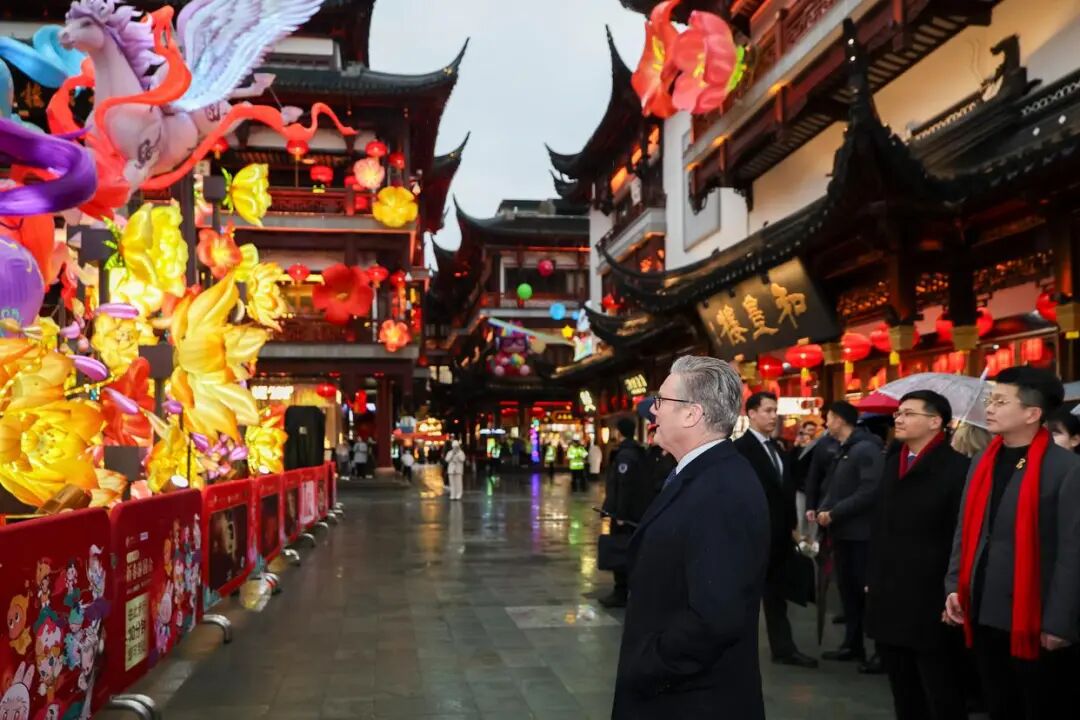
Group 1 - The recent wave of foreign leaders visiting China highlights the growing interest from Western developed countries in strengthening economic ties with China, particularly in light of their own economic challenges [2][8] - UK Prime Minister Starmer's visit included over 50 executives from major British companies, indicating a strong push for investment opportunities in China, especially in sectors like finance, pharmaceuticals, and manufacturing [2][4] - Canada and France also sent high-level delegations to China, with Canada promising significant electric vehicle quotas and France focusing on traditional and new energy sectors, showcasing a trend of deepening bilateral cooperation [6][8] Group 2 - China's robust foreign trade performance, with a trade surplus of $1.08 trillion in the first eleven months of the previous year, is a key factor attracting foreign investment, particularly in high-tech and new energy sectors [9][11] - The increasing volume of high-tech product trade between China and the EU, with exports growing by 7.5% and imports by 11.1%, reflects a deepening integration of supply chains and mutual economic benefits [11][12] - The evolving international landscape, marked by tensions with the US and a shift towards a multipolar world, is prompting countries to seek closer ties with China, as evidenced by the statements from various leaders during the recent Davos Forum [12][15]
马克龙受了奇耻大辱,转头对中国提出两个请求,特朗普紧急摊牌
Sou Hu Cai Jing· 2026-01-24 07:06
Group 1 - The core issue arises from Trump's public provocation, where he exposed Macron's private messages and threatened to impose tariffs of up to 200% on French wine, leading Macron to seek new cooperation opportunities with China [1][7][9] - Trump's tariff measures against eight European countries have sparked strong reactions across Europe, with a united front against his actions, indicating a growing rift between the US and Europe [3][5] - Macron's firm stance against Trump's tariffs includes a call for EU unity and the activation of a counter-coercion tool, which could further deteriorate US-EU economic relations [5][12] Group 2 - The competition for global influence is highlighted by Trump's establishment of a so-called peace committee to address the Gaza issue, which France opposes as it undermines the authority of the United Nations [7][9] - Macron's public criticism of Trump's actions reflects a deeper intention to seek increased investment from China, emphasizing the need for Europe to attract more returns from Chinese investments [11][12] - The evolving dynamics of cooperation between France and China illustrate Europe's limitations and the necessity for adherence to fair and transparent rules in international partnerships [14]
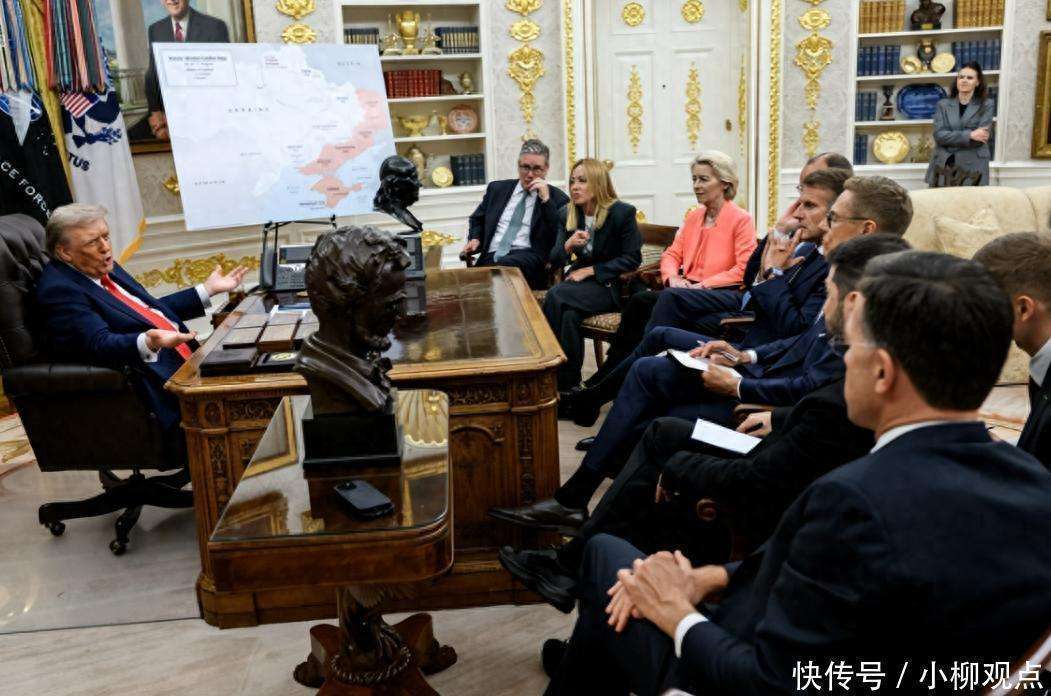
不出所料,中国送欧洲一句“能救命”的话后,特朗普态度立刻大变
Sou Hu Cai Jing· 2026-01-23 09:40
Group 1 - Europe is increasingly seeking cooperation with China as it recognizes its inability to compete with the United States, with leaders from the UK and France reaching out for investment and support [1][3] - China's willingness to cooperate with Europe provides a potential "backdoor" for Europe to counterbalance US pressure, signaling a reliable partnership amid US-EU tensions [3][4] - The dynamics of US-EU relations are shifting, as evidenced by Trump's recent concessions, which may be influenced by the potential for deeper China-Europe collaboration [6][8] Group 2 - Trump's recent communications indicate a shift in his stance, including the cancellation of tariffs on several European countries and discussions regarding Greenland, reflecting a more conciliatory approach [6][8] - The rapid change in Trump's position raises questions about Europe's newfound leverage in negotiations, potentially due to the implications of strengthened China-Europe ties [8][9] - Despite the apparent cracks in US-EU relations, the long-term influence of the US on Europe remains significant, suggesting that Europe may not fully escape US control [9]
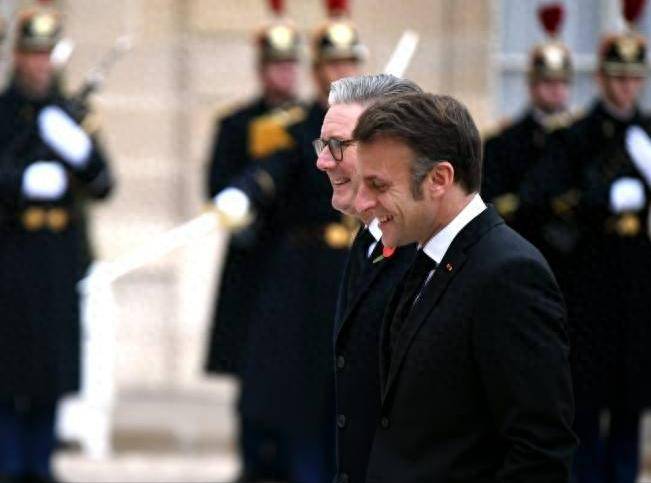
爱尔兰总理:世界无法“单打独斗”,中欧合作至关重要
Xin Lang Cai Jing· 2026-01-23 04:27
Group 1 - The core viewpoint emphasizes the importance of cooperation between China and Europe, as stated by the Irish Prime Minister Micheál Martin during the World Economic Forum in Davos [1] - The Prime Minister highlighted that China is a significant global economic power and that countries need to collaborate rather than confront each other in an interdependent world [1] - Ireland, as it prepares to assume the rotating presidency of the EU, expresses a commitment to strengthening cooperation with China and aims to establish a stable, sustainable, and mutually beneficial trade relationship between China and Europe [1]
果不出所料,中国送欧洲一句“能救命”的话后,特朗普态度秒变!
Sou Hu Cai Jing· 2026-01-22 13:50
Group 1 - The international landscape is experiencing a shift as the U.S.-Europe tensions escalate, with China's statement becoming a variable that influenced Trump's sudden decision to pause the tariff "war" [1][3] - Trump's initial announcement of a 10% tariff on goods from eight European countries, which was set to increase to 25% after June 1, was linked to U.S. interests in Greenland, indicating a strategy of economic coercion against Europe [5] - In response to U.S. pressure, Europe recognized the need for external support and began to seek closer ties with China, with key figures like the UK Chancellor and Prime Minister planning visits to China [7][9] Group 2 - European leaders, including President Macron and Chancellor Scholz, have publicly expressed the need for Chinese investment in critical sectors, highlighting a shift towards cooperation with China to counterbalance U.S. pressure [9][10] - China's Foreign Ministry's response to inquiries about providing support to Europe against U.S. tariffs was seen as a significant signal, indicating a willingness to deepen cooperation if Europe shows sincerity [10][11] - Trump's rapid reversal on tariffs, occurring just days after his firm stance, suggests that U.S. concerns about a potential China-Europe alliance and its implications for international dynamics were a driving factor [13][15] Group 3 - The U.S. remains interested in Greenland, and future negotiations may focus on establishing control, which could impact trade routes in the region [17] - The sustainability of Europe-China cooperation and the U.S.'s negotiation strategies will be critical in shaping the future international landscape, with the phrase "moving towards each other" breaking the deadlock in U.S.-Europe relations [18]
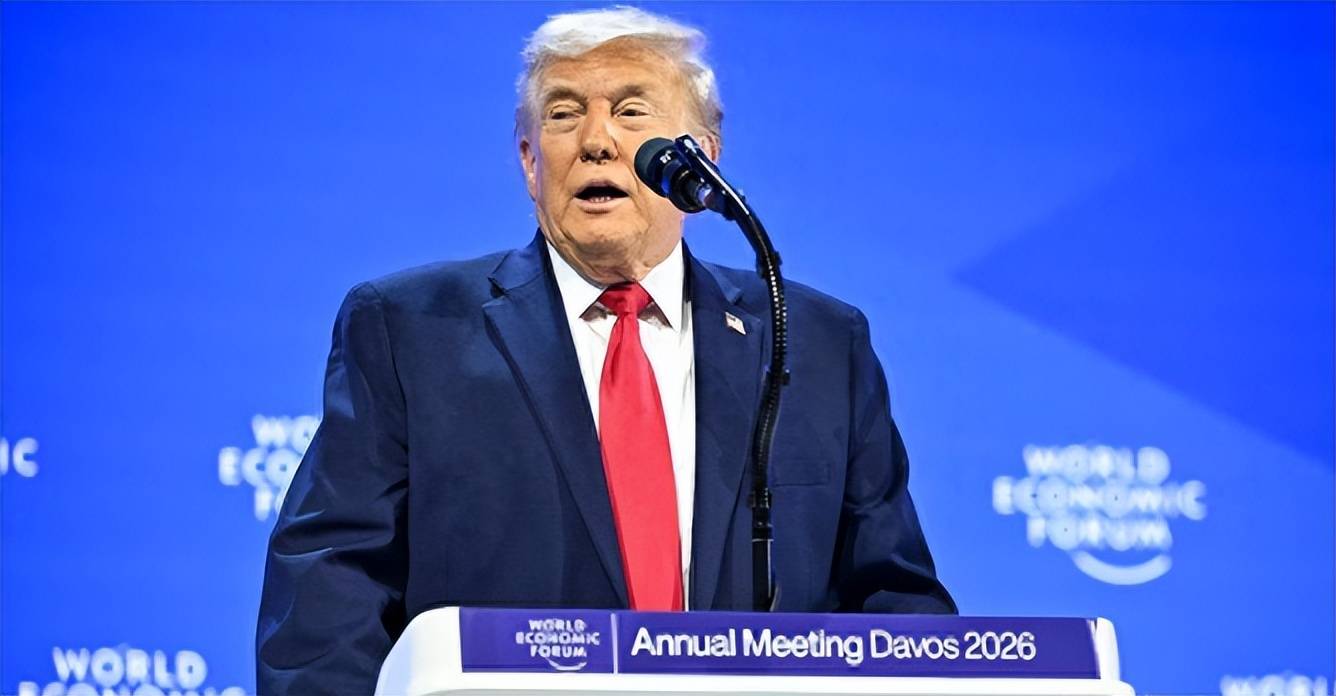
北约历史性一幕发生,77年来首次,德国总理决定:马上带人去中国
Sou Hu Cai Jing· 2026-01-19 09:57
Core Viewpoint - The recent crisis within NATO, triggered by Trump's tariff threats against European allies, has led to significant geopolitical shifts, particularly with Germany's decision to strengthen ties with China instead of aligning with U.S. interests [1][3][20]. Group 1: U.S. Tariff Threats - Trump announced a 10% tariff on goods from eight European countries starting February 1, escalating to 25% by June 1, citing the failure to purchase Greenland as justification [5][9]. - The affected European nations issued a joint statement condemning the tariffs as a threat to transatlantic relations, urging unity to defend their sovereignty [7][9]. Group 2: European Response - European leaders, including Macron and Merkel, expressed outrage and proposed countermeasures, including tariffs on $93 billion worth of U.S. goods and restrictions on U.S. companies in the EU [9][19]. - Germany's withdrawal of troops from Greenland was interpreted as a sign of weakness, but it was a strategic move to focus on economic cooperation with China [11][13]. Group 3: Germany's Shift Towards China - Germany is prioritizing economic collaboration with China, recognizing the importance of the Chinese market for its automotive and industrial sectors [15][20]. - Merkel's upcoming visit to China with a delegation of business leaders aims to solidify economic ties and serve as a model for other European nations to follow [19][22]. Group 4: Implications for NATO and Transatlantic Relations - The crisis highlights the internal divisions within NATO, as U.S. unilateralism pushes European allies to seek alternative partnerships, particularly with China [17][20]. - If the U.S. continues its aggressive tariff policies, Europe is likely to deepen its cooperation with China, further straining transatlantic relations [22].