区块链电子发票

Search documents
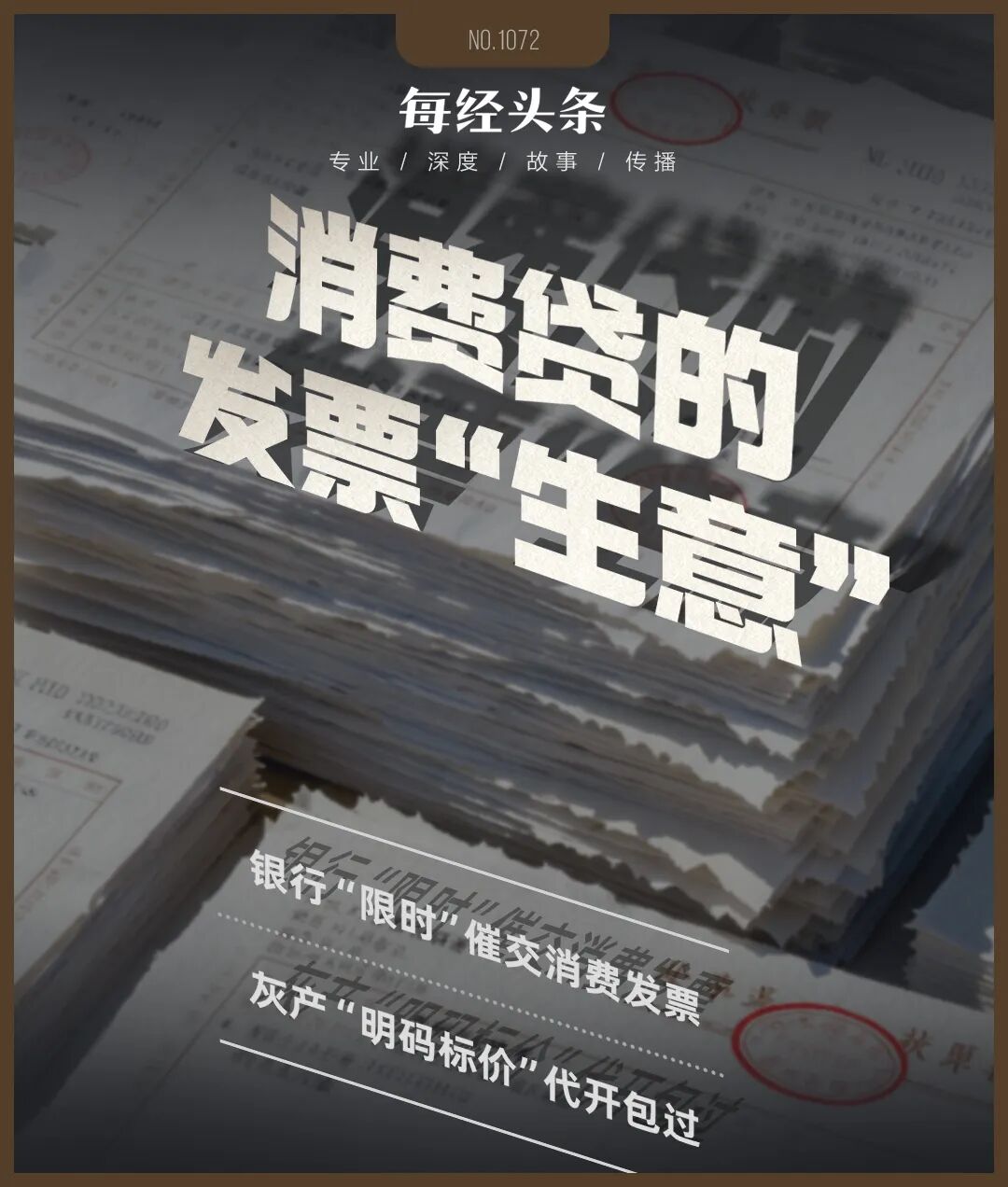
消费贷的发票“生意”
Hu Xiu· 2025-09-30 12:34
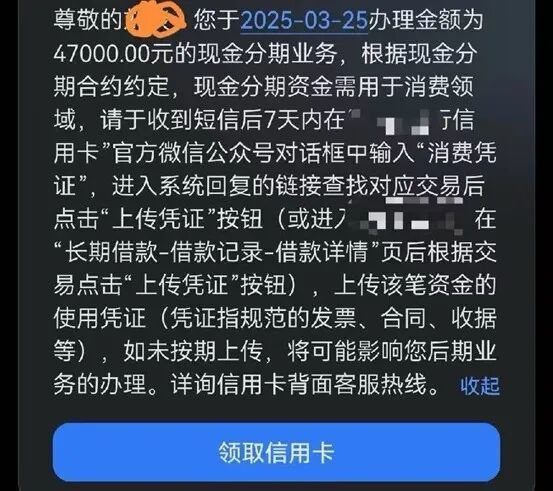
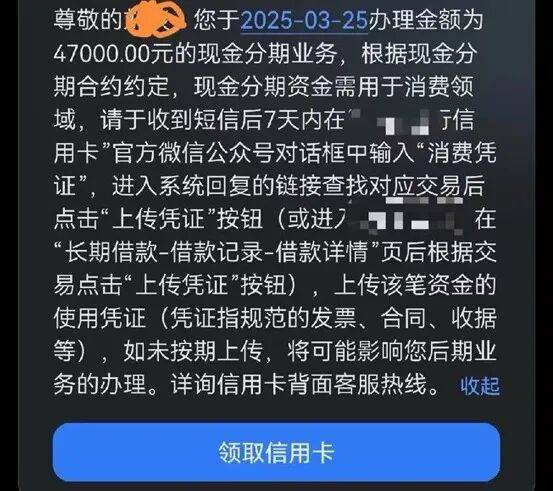
Core Insights - The article discusses the challenges faced by consumers in providing proof of expenditure for consumer loans, leading to a rise in a gray market for invoice services [1][2][41] - Banks are tightening their requirements for proof of spending to ensure that loan funds are used for legitimate purposes, which has created anxiety among borrowers [6][17][41] Group 1: Consumer Loan Challenges - Many consumers, like Xia, are confused about the need to provide invoices for small purchases, leading to a sense of urgency and anxiety regarding their loans [1][3][10] - The requirement to upload invoices within a short timeframe has led to concerns about potential loan recalls or freezes if proof is not provided [6][9][10] - Users are expressing their frustrations on social media, with discussions about the difficulty of obtaining invoices for everyday purchases [3][9] Group 2: Rise of Gray Market - A gray market for invoice services has emerged, with intermediaries offering to create invoices for a fee, indicating a growing demand for such services [5][11][13] - These intermediaries claim to guarantee approval from banks for the invoices they provide, exploiting loopholes in the verification process [16][13][41] - The existence of this gray market highlights the gap between consumer needs and the current regulatory framework for consumer loans [27][42] Group 3: Bank's Regulatory Response - Banks are increasing scrutiny on loan usage to prevent funds from being misused, which has led to stricter requirements for proof of expenditure [16][17][41] - The regulatory environment has shifted, with banks now required to monitor loan usage more closely to ensure compliance with legal and contractual obligations [16][17] - Different banks have varying requirements for the type of proof needed, adding to consumer confusion [19][22][23] Group 4: Technological Solutions and Future Directions - The article discusses the potential of blockchain technology to improve invoice tracking and verification, although widespread implementation is still pending [29][30][33] - Suggestions for regulatory improvements include tiered verification processes based on loan amounts and user credit ratings to ease the burden on consumers [36][37][40] - The need for better education on financial literacy and invoice management is emphasized to help consumers navigate the complexities of consumer loans [38][42]

前脚消费贷,后脚被银行追讨发票,7天内上传,否则后果严重!有人为此焦虑,有人却趁机牟利:帮开票包过审
Mei Ri Jing Ji Xin Wen· 2025-09-30 09:57
Core Insights - The article discusses the emerging issue of "voucher anxiety" among consumers who have taken out personal loans but are now required to provide proof of expenditure, leading to confusion and potential financial risks [2][3][4] - A gray market for invoice services has developed, where intermediaries offer to create fake invoices for a fee, highlighting the challenges in tracking loan usage and the regulatory environment [6][9][20] Group 1: Consumer Concerns - Many consumers, like Xia, are confused about the requirement to submit invoices for small purchases, fearing that failure to do so could lead to loan recalls or frozen credit lines [2][4][8] - Discussions on social media reveal widespread anxiety about the need for invoices, with users sharing experiences and seeking advice on how to comply with bank requirements [4][8] - Some consumers express frustration over the difficulty of obtaining valid invoices for everyday purchases, leading to a dilemma between unnecessary spending and the risk of losing access to funds [8][15] Group 2: Gray Market for Invoices - A gray market has emerged where intermediaries offer to provide invoices for a fee, often claiming a high success rate in passing bank audits [6][9][12] - These intermediaries can create invoices that do not correspond to actual purchases, exploiting loopholes in the verification process used by banks [12][20] - The existence of this gray market indicates a significant gap in the regulatory framework and the practical needs of consumers [20][21] Group 3: Banking and Regulatory Challenges - Banks are tightening their post-loan management practices to ensure that funds are used for legitimate purposes, as past misuse has led to regulatory scrutiny [12][13] - Different banks have varying requirements for the types of proof needed, leading to confusion among consumers about what is acceptable [15][17] - The challenge for banks lies in effectively verifying the authenticity of invoices while managing the diverse and small-scale nature of consumer spending [17][22] Group 4: Technological Solutions and Future Directions - The potential for blockchain technology to enhance invoice tracking and verification is noted, but widespread implementation is still lacking due to various constraints [20][21] - Suggestions for improving the consumer experience include simplifying the documentation process and providing clearer guidelines on what constitutes acceptable proof of expenditure [22][23] - The article emphasizes the need for a balance between regulatory oversight and consumer convenience to foster a more mature financial ecosystem [25]
前脚消费贷,后脚被银行追讨发票,7天内上传,否则后果严重!
Mei Ri Jing Ji Xin Wen· 2025-09-30 09:41
Core Insights - The article discusses the emerging issue of "voucher anxiety" among consumers who have taken out personal loans but are required to provide proof of expenditure within a short timeframe, leading to confusion and potential financial risks [1][2][4] - A gray market for "voucher services" has developed, where intermediaries offer to create fake vouchers for a fee, highlighting the challenges banks face in verifying the actual use of loan funds [3][5][7] Consumer Concerns - Many consumers are confused about the requirement to submit vouchers for small purchases, leading to widespread discussions on social media about the necessity and difficulty of obtaining these vouchers [2][4] - Users express anxiety over the potential consequences of not submitting vouchers, including the risk of loan recall or penalties [4][8] Gray Market Development - A gray market has emerged where intermediaries offer services to create fake vouchers for a fee of 0.5% of the loan amount, indicating a significant demand for such services [5][7] - These intermediaries can tailor vouchers to match the bank's requirements, exploiting loopholes in the verification process [7][8] Banking Challenges - Banks are tightening their post-loan management practices to ensure that loan funds are used for legitimate purposes, as past misuse has led to regulatory scrutiny [8][13] - The inconsistency in voucher requirements across different banks adds to consumer confusion and complicates the verification process [12][13] Technological Solutions - The article mentions the potential of blockchain technology to enhance the traceability of vouchers, although widespread implementation is still pending due to various challenges [16][17] - Blockchain electronic invoices could provide a solution to the issues of voucher authenticity and tracking, but the adoption is limited by costs and user habits [16][17] Regulatory Recommendations - Experts suggest that regulatory bodies should consider tiered verification processes based on loan amounts and user credit ratings to alleviate the burden on consumers [18][19] - There is a call for banks to optimize voucher submission rules and improve user education on the importance of retaining vouchers for significant expenditures [19][20] Conclusion - The interplay between consumer voucher anxiety, the rise of a gray market, and banks' stringent verification processes reflects a broader challenge in financial regulation, emphasizing the need for a balance between risk management and consumer convenience [21]