千问恐慌(QwenPanic)

Search documents
白宫深夜盯上阿里巴巴?一切或源于“千问恐慌”
Mei Ri Jing Ji Xin Wen· 2025-11-16 06:55
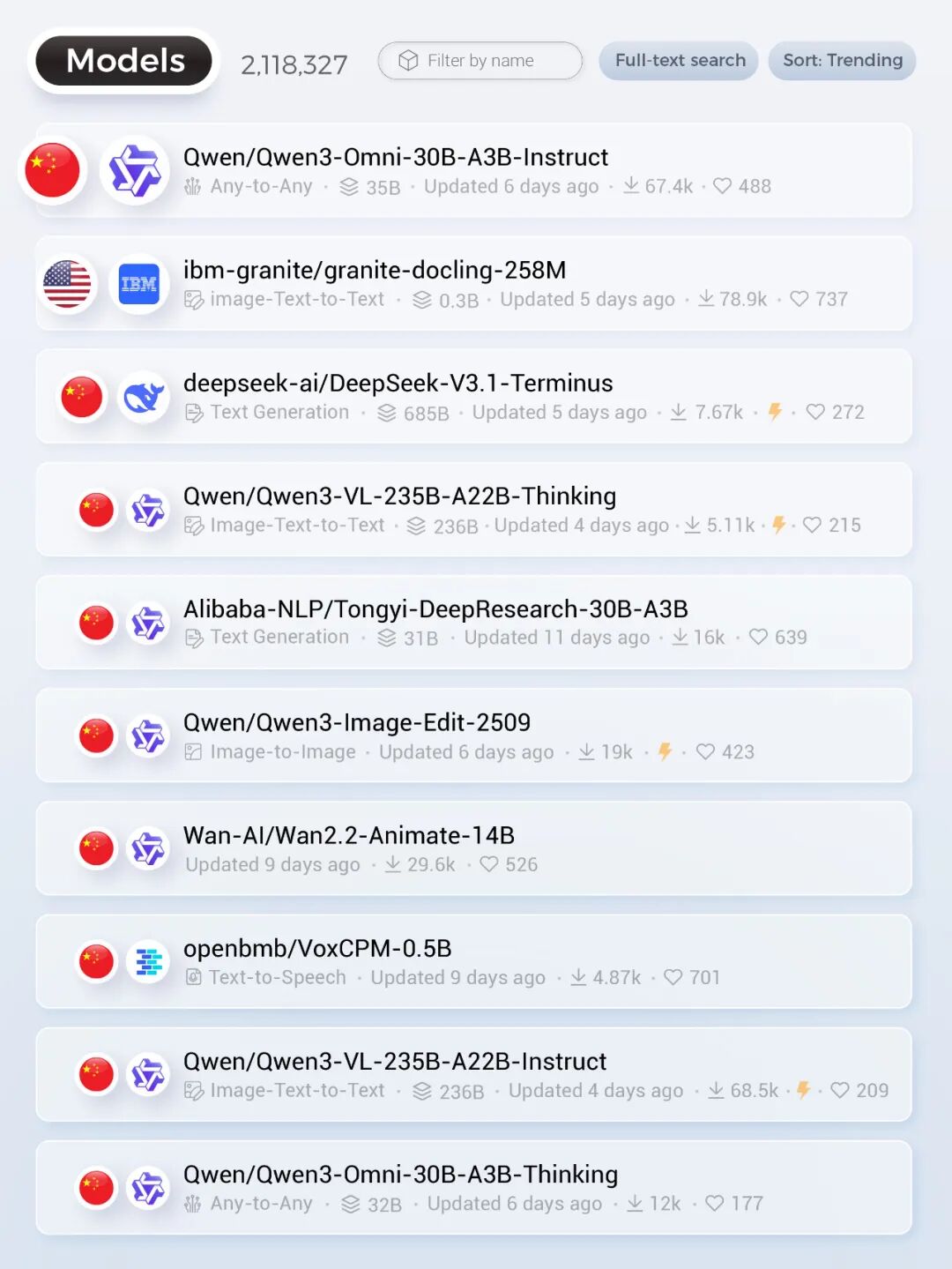
Core Insights - The U.S. government has accused Alibaba of providing technical support to the Chinese military for actions targeting the U.S., as reported by the Financial Times, although specific capabilities or actions were not detailed [1] - Following the report, Alibaba's stock experienced a significant decline, dropping 3.78% after initially rising 1.5% during the trading session [1] - Alibaba has strongly denied the allegations, questioning the motives of the anonymous leaker and suggesting that the report is part of a malicious public relations campaign aimed at undermining recent trade agreements between the U.S. and China [1] - The Chinese Embassy in Washington also refuted the claims, stating that China opposes all forms of cyberattacks [1] Alibaba's AI Developments - Alibaba has secretly launched the "Qwen" project, aiming to develop a personal AI assistant app named "Qwen," which directly competes with ChatGPT [2] - The Qwen model has achieved significant success, occupying seven of the top ten positions on the HuggingFace global model leaderboard [4] - Since its launch, the Qwen model has been downloaded over 600 million times, with more than 170,000 derivative models created, surpassing the Meta Llama series and establishing itself as the leading open-source model globally [5] Market Dynamics and Sentiment - There is a growing sentiment in Silicon Valley referred to as "Qwen Panic," indicating concerns over the competitive edge of Alibaba's open-source models compared to the closed-source models prevalent in the U.S. [4] - Industry leaders, including NVIDIA's Jensen Huang and former Google CEO Eric Schmidt, have acknowledged the significant market share held by Alibaba's Qwen model and the potential shift towards Chinese AI technologies due to cost and technical feasibility [7] - The U.S. AI sector is facing challenges related to debt sustainability, with over $200 billion in bonds issued by AI companies this year, raising concerns about the financial viability of the current AI development trajectory [9]


白宫深夜盯上阿里巴巴?一切或源于“千问恐慌”(QwenPanic)
Mei Ri Jing Ji Xin Wen· 2025-11-16 03:17
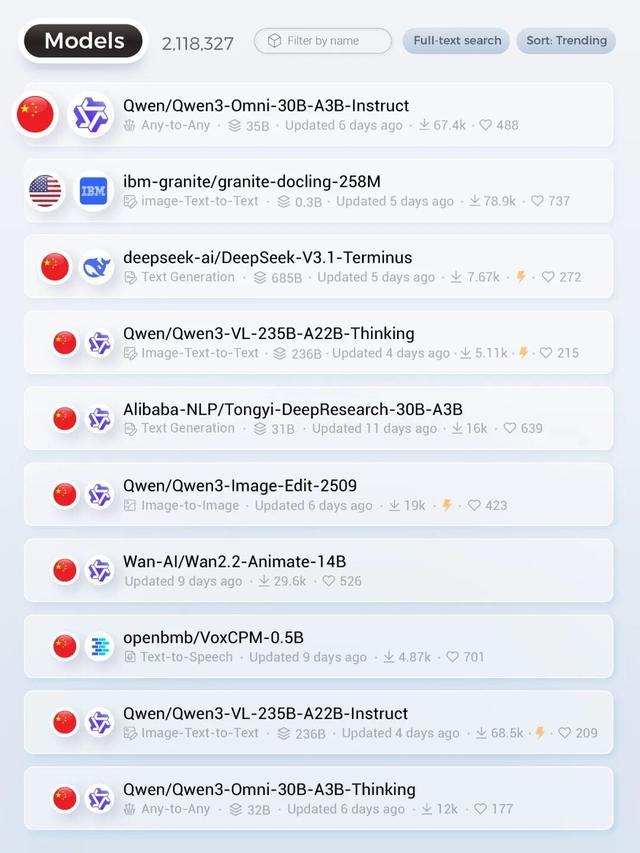
Core Viewpoint - The U.S. government has accused Alibaba of providing technical support to the Chinese military for actions targeting the U.S., although specific details were not disclosed [1] Group 1: Alibaba's Market Reaction - Following the report, Alibaba's U.S. stock experienced a decline, dropping from a 1.5% intraday gain to a 3.78% loss at closing [2] - Alibaba strongly refuted the claims, questioning the motives of the anonymous leaker and labeling the report as a malicious public relations attack aimed at undermining recent trade agreements between the U.S. and China [2] Group 2: AI Developments and Market Sentiment - Alibaba has reportedly launched the "Qwen" project, developing a personal AI assistant app to compete with ChatGPT, marking a significant step in its broader strategy to monetize personal user engagement [3] - The "Qwen Panic" sentiment has emerged in Silicon Valley, highlighting concerns that Alibaba's open-source models, like Qwen, may gain market share due to cost advantages, while U.S. companies may face challenges with their closed-source models [5] - Since the launch of the Qwen model, it has achieved over 600 million downloads and has more than 170,000 derivative models, surpassing the Meta Llama series and establishing itself as the leading open-source model globally [6] Group 3: Global AI Market Dynamics - Huang Renxun noted that since 2025, Alibaba's Qwen has captured a significant portion of the open-source model market, with its lead continuing to expand [8] - Eric Schmidt pointed out a paradox in the global AI landscape, where the largest AI models in the U.S. are closed-source and paid, while China's largest models are open-source and free, suggesting a potential shift towards Chinese AI technologies due to cost and feasibility pressures [8] - The sustainability of debt in the U.S. AI sector is under scrutiny, with over $200 billion in bonds issued by AI companies this year, indicating that AI-related bond issuance accounts for more than a quarter of the net corporate debt supply in the U.S. [10]