阿里通义千问Qwen

Search documents
白宫深夜盯上阿里巴巴?一切或源于“千问恐慌”(QwenPanic)
Mei Ri Jing Ji Xin Wen· 2025-11-16 03:17
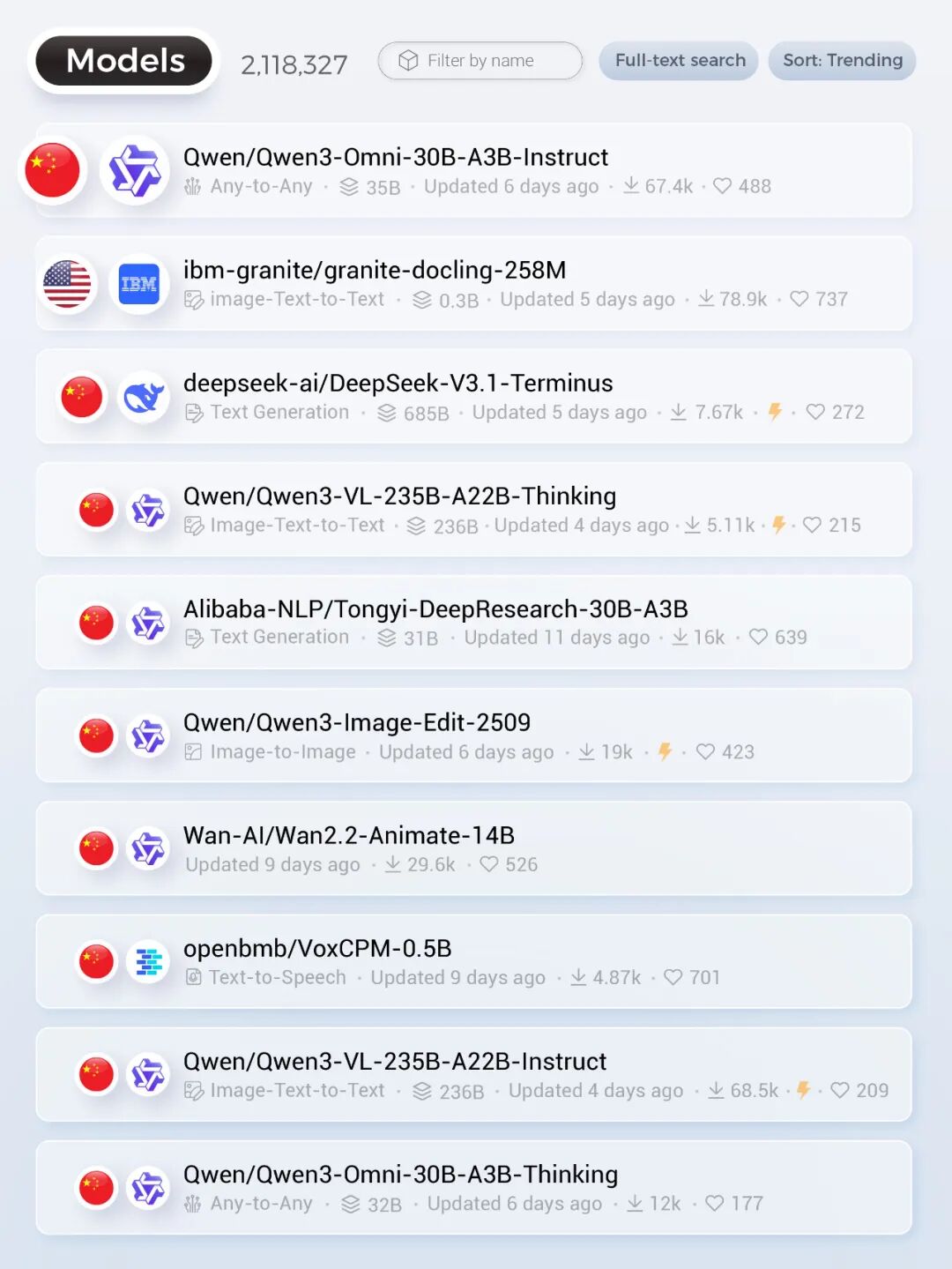
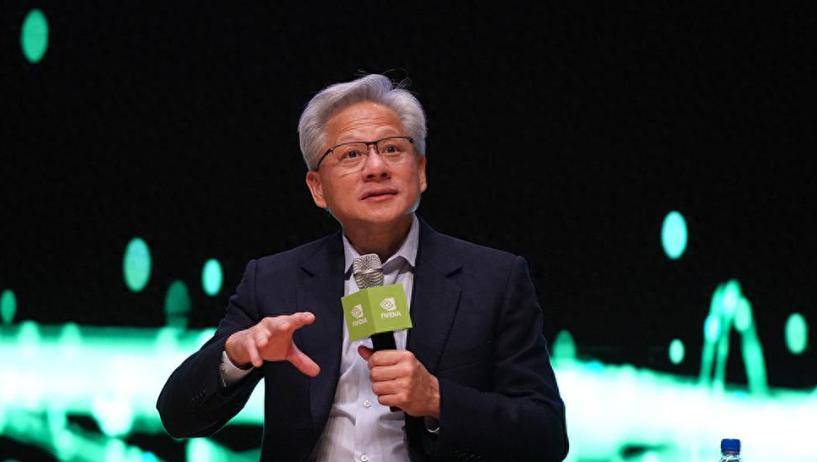
Core Viewpoint - The U.S. government has accused Alibaba of providing technical support to the Chinese military for actions targeting the U.S., although specific details were not disclosed [1] Group 1: Alibaba's Market Reaction - Following the report, Alibaba's U.S. stock experienced a decline, dropping from a 1.5% intraday gain to a 3.78% loss at closing [2] - Alibaba strongly refuted the claims, questioning the motives of the anonymous leaker and labeling the report as a malicious public relations attack aimed at undermining recent trade agreements between the U.S. and China [2] Group 2: AI Developments and Market Sentiment - Alibaba has reportedly launched the "Qwen" project, developing a personal AI assistant app to compete with ChatGPT, marking a significant step in its broader strategy to monetize personal user engagement [3] - The "Qwen Panic" sentiment has emerged in Silicon Valley, highlighting concerns that Alibaba's open-source models, like Qwen, may gain market share due to cost advantages, while U.S. companies may face challenges with their closed-source models [5] - Since the launch of the Qwen model, it has achieved over 600 million downloads and has more than 170,000 derivative models, surpassing the Meta Llama series and establishing itself as the leading open-source model globally [6] Group 3: Global AI Market Dynamics - Huang Renxun noted that since 2025, Alibaba's Qwen has captured a significant portion of the open-source model market, with its lead continuing to expand [8] - Eric Schmidt pointed out a paradox in the global AI landscape, where the largest AI models in the U.S. are closed-source and paid, while China's largest models are open-source and free, suggesting a potential shift towards Chinese AI technologies due to cost and feasibility pressures [8] - The sustainability of debt in the U.S. AI sector is under scrutiny, with over $200 billion in bonds issued by AI companies this year, indicating that AI-related bond issuance accounts for more than a quarter of the net corporate debt supply in the U.S. [10]


谷歌前CEO公开发声,英伟达黄仁勋果然没说错,美国不愿看到的局面出现了!
Sou Hu Cai Jing· 2025-11-14 19:45
Core Viewpoint - The article discusses the growing influence of Chinese open-source AI models on the U.S. AI industry, highlighting a shift in competitive dynamics where U.S. companies are increasingly challenged by China's free and open-source offerings [1][3][19]. Group 1: U.S. AI Industry Challenges - U.S. tech giants have adopted a closed-source model, believing that maintaining control over advanced technology is essential for market position and profit [3][4]. - This closed-source strategy has led to high usage costs, limiting access for developers and hindering global adoption [5][6]. - The regulatory environment in the U.S. is becoming a burden, with numerous state-level regulations increasing operational costs and complicating compliance for AI companies [10][12]. Group 2: Chinese AI Industry Advantages - Chinese AI companies are taking a different approach by offering open-source models that are free and powerful, gaining popularity among global developers [7][9]. - The cumulative download of Alibaba's Qwen has surpassed Meta's Llama, indicating its growing acceptance in the global market [9]. - Chinese firms benefit from government support and lower operational costs, allowing them to maintain competitive pricing and foster innovation [12][18]. Group 3: Future Implications - The article suggests that the U.S. AI industry is at a crossroads, needing to reconsider its closed-source strategy to remain competitive [18][19]. - The shift towards open-source models in China is creating a robust ecosystem that could redefine industry standards and market dynamics [14][15]. - Warnings from industry leaders like Eric Schmidt and Jensen Huang highlight the urgency for U.S. companies to adapt or risk losing market share [19].

阿里巴巴发布AI向善行动报告 AI向善是技术走向成熟的试炼场
Huan Qiu Wang· 2025-11-04 08:08
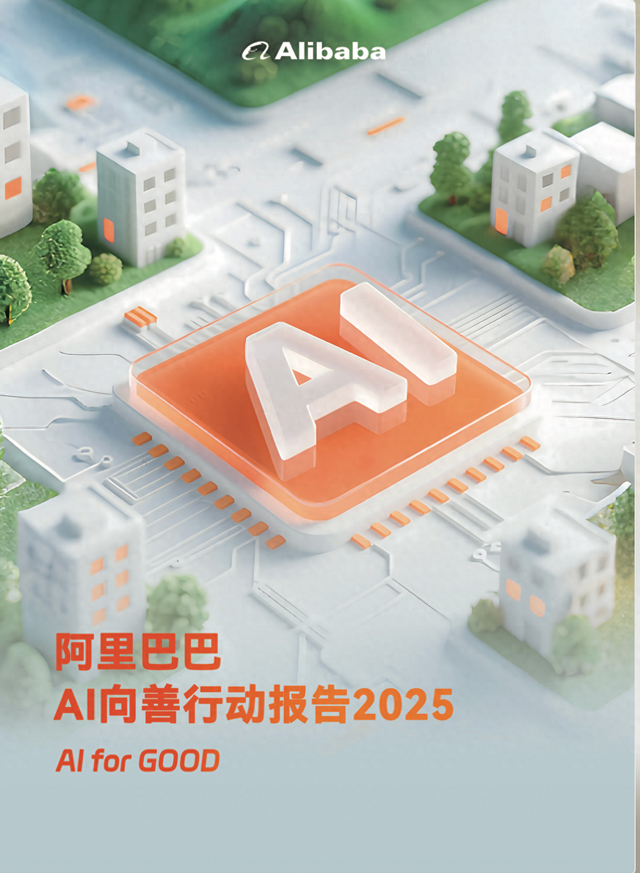
Core Viewpoint - The article discusses Alibaba's release of the "AI for Good Action Report 2025," which emphasizes the importance of ensuring that artificial intelligence (AI) develops in a human-centered manner, addressing both the potential benefits and risks associated with AI technology [1][3]. Group 1: AI Development and Ethical Framework - The report presents the vision of "AI for Good," asserting that it is a trial ground for technological maturity and a driving force for sustainable development [3][10]. - Alibaba's action framework is based on six core values: safety and reliability, privacy protection, inclusivity and integrity, trustworthiness and controllability, open governance, and green low-carbon initiatives [3][6]. - The report emphasizes that the pursuit of social value and technological innovation should evolve in tandem, with "AI for Good" being a fundamental principle of AI development [3][6]. Group 2: Practical Applications and Innovations - Various AI applications showcased in the report include the "Blind AI Glasses," which assist visually impaired individuals by recognizing surroundings and providing audio descriptions [6][8]. - The report highlights the development of an AI model for pancreatic cancer detection, which has successfully screened over 90,000 CT images, identifying multiple cases of cancer [8][10]. - Alibaba's commitment to green technology is underscored by its establishment of a research team focused on energy and carbon management, aiming for carbon neutrality in the AI era [10][11]. Group 3: Industry Impact and Future Directions - The report indicates that responsible AI practices can foster a trustworthy social and policy environment, which in turn supports innovation and value creation [10][14]. - Alibaba plans to invest over 380 billion yuan in cloud and AI hardware infrastructure over the next three years, reinforcing its commitment to open-source initiatives and the development of a super AI cloud [14]. - The report serves as a guide for enterprises to engage in AI for Good initiatives, reflecting a broader trend in the industry towards socially responsible AI development [14].
李开复:智能体才是未来AI的核心形态
母基金研究中心· 2025-09-13 09:04
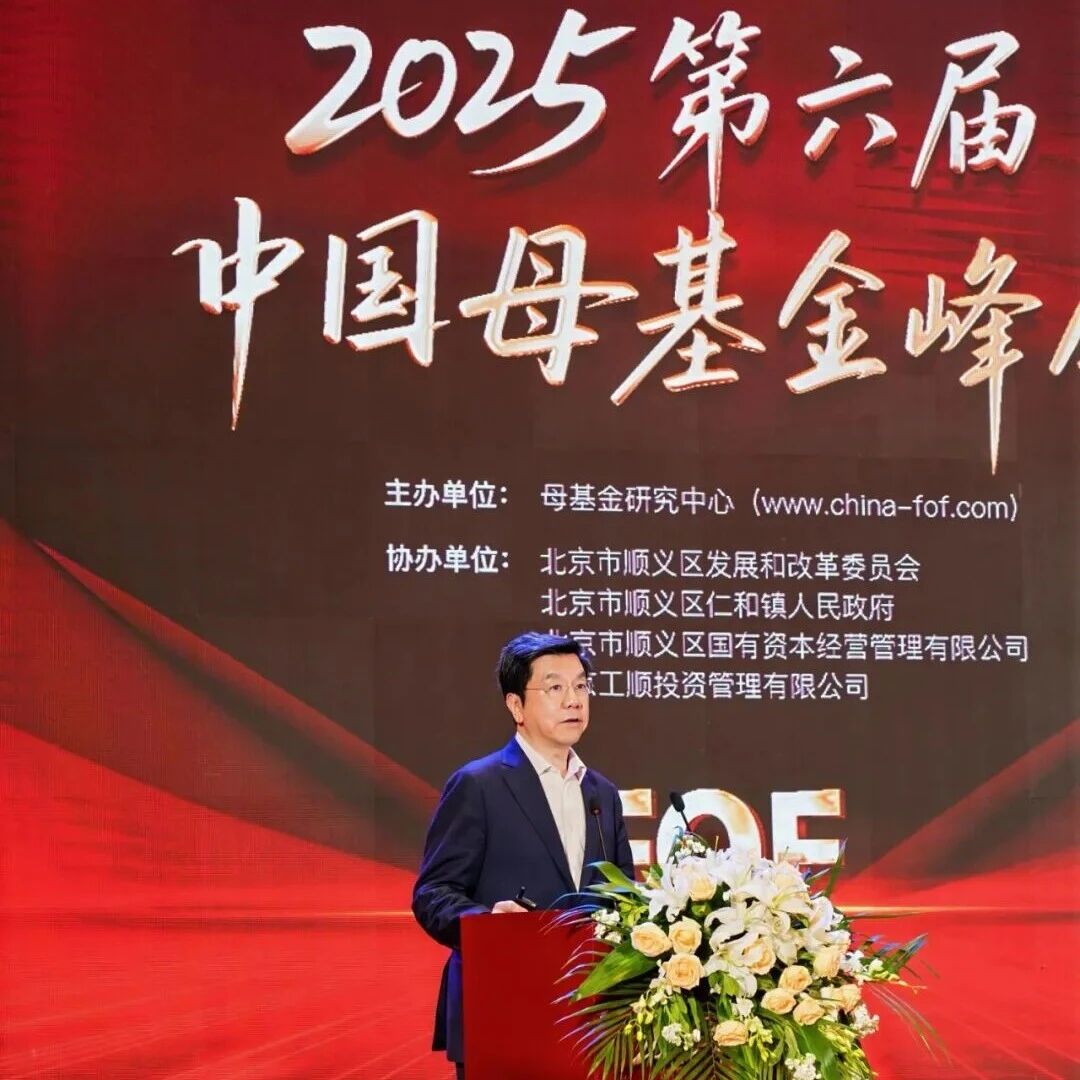
Core Viewpoint - The 2025 Sixth China Fund of Funds Summit highlighted the rapid advancements in AI, particularly the transition from traditional models to intelligent agents, which are expected to significantly enhance business efficiency and create new value in various industries [2][3][4]. Group 1: AI Development Trends - The development of large models has evolved from relying solely on data and computing power to incorporating "slow thinking" capabilities, allowing for deeper reasoning and self-training [3][4]. - The significance of Chinese models, such as Alibaba's Tongyi Qianwen and DeepSeek, lies in their open-source nature, which facilitates easier training and innovation compared to the closed-source models prevalent in the U.S. [3][4]. Group 2: Importance of Intelligent Agents - Intelligent agents are identified as the core future form of AI, possessing memory and execution capabilities that enable them to understand and fulfill business needs, thus acting as "super employees" [4][5]. - The advancement from workflow intelligent agents to reasoning intelligent agents allows for the autonomous breakdown and execution of complex tasks, potentially replacing human labor over hours to days [4][5]. Group 3: Challenges and Strategic Implementation - Traditional enterprises face challenges in deploying intelligent agents, often only replicating past AI capabilities without a clear future strategy [5]. - Successful deployment requires top-level management involvement to align with strategic goals, leading to business restructuring and value redefinition [5]. Group 4: Practical Applications and Value Creation - The company has implemented practical strategies by recruiting experienced consultants to help businesses develop transformation strategies and create quantifiable commercial value through intelligent agents [5]. - Applications in various sectors, such as energy, patent writing, game optimization, and supply chain management, have demonstrated both cost reduction and revenue enhancement [5].