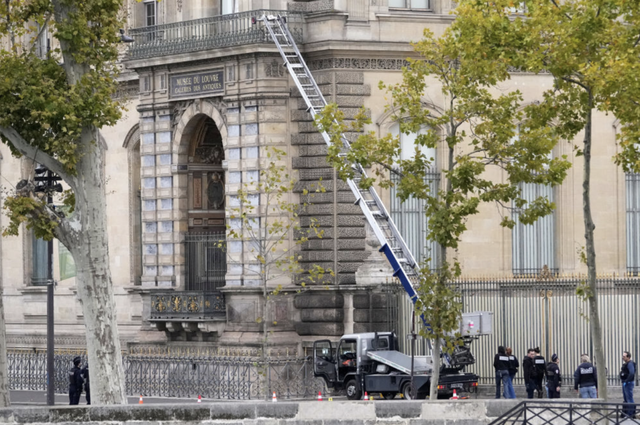
博物馆安全

Search documents
法国努力弥补博物馆安保漏洞
Ren Min Ri Bao· 2025-11-12 22:19
Core Insights - The Louvre Museum robbery has raised significant concerns about the security measures in place at cultural institutions in France, highlighting vulnerabilities that could lead to further incidents [1][2][3] Group 1: Incident Overview - Five additional suspects have been arrested in connection with the Louvre robbery, bringing the total number of arrests to seven, but the stolen eight pieces of jewelry remain missing [1] - The robbery, which occurred on October 19, resulted in the theft of nine valuable Napoleon-era jewels, with an estimated economic loss of €88 million, while the historical and cultural value of the stolen items is incalculable [1] Group 2: Security Concerns - The Louvre's director admitted that the museum failed to detect the robbers beforehand, citing weaknesses in perimeter security, including outdated and insufficient surveillance cameras [2] - A security upgrade plan initiated in 2021 had not progressed to actual implementation by the time of the robbery, despite the French government's broader "New Renaissance" plan for the Louvre, which includes security modernization [2] Group 3: Government Response - Following the robbery, President Macron instructed a rapid enhancement of security measures at the Louvre, with a joint effort from the Ministry of Culture and the Ministry of the Interior to address security vulnerabilities across major museums and historical sites by November 15 [2] - The Louvre has temporarily increased its security presence with 50 additional officers and is in the process of installing new high-definition surveillance and infrared intrusion detection systems [2] Group 4: Broader Context of Cultural Heritage Security - The Louvre robbery is part of a troubling trend, with multiple thefts occurring in French museums since September, leading to losses exceeding one million dollars [3] - The illegal international trade in cultural artifacts is estimated to exceed $1 billion annually, prompting organized crime to target museums, which often lack adequate security [3] - Experts emphasize that enhancing museum security requires not only improved physical measures but also stronger legislative and enforcement frameworks to combat artifact smuggling and illegal trade [3]
卢浮宫大劫案案情披露
Bei Jing Shang Bao· 2025-10-20 15:35
Core Points - The Louvre Museum experienced a significant security breach when nine invaluable pieces of jewelry were stolen in a heist that lasted less than seven minutes, raising concerns about museum security [1][2][3] Security Concerns - The Louvre was briefly reopened on October 20 but closed again due to security concerns following the robbery, with the French Justice Minister acknowledging security failures [2][6] - The robbery occurred just 250 meters from the famous painting "Mona Lisa," highlighting the audacity of the crime in broad daylight [3][4] - The French Culture Ministry confirmed that the stolen items were of "inestimable value," with some items already recovered, while others remain missing [3][6] Historical Context - The Louvre has a history of thefts, with notable incidents dating back to 1911 when the "Mona Lisa" was stolen, and a more recent theft in 1998 [4][6] - The museum's security measures have been criticized, especially given the high volume of visitors it receives annually, which reached 8.7 million last year [6][7] Ongoing Issues - Staff shortages and budget constraints have been cited as contributing factors to the security lapses, with reports indicating a reduction of 200 full-time positions over the past 15 years [7][8] - The French government announced a 10-year, €700 million plan to modernize the Louvre's infrastructure and security systems, but funding delays have hindered progress [6][7] Broader Implications - The incident reflects a troubling trend in Europe, where cultural institutions face increasing threats from organized crime targeting valuable artworks [8][9] - The French police are actively pursuing the suspects, with ongoing investigations into the organized nature of the crime [9][10]

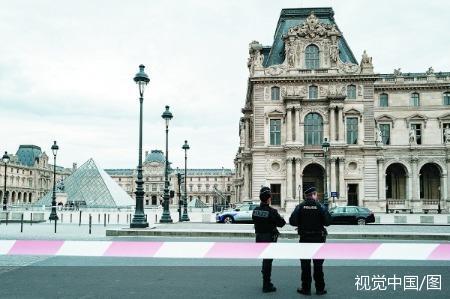
卢浮宫被劫 博物馆安全再响警钟
Bei Jing Shang Bao· 2025-10-20 13:58
Core Points - The Louvre Museum experienced a significant security breach when nine valuable pieces of jewelry were stolen in a heist that lasted less than seven minutes, raising concerns about museum security [2][4][5] Security Concerns - The Louvre briefly reopened on October 20 but closed again due to security concerns following the robbery, with the French Justice Minister acknowledging security vulnerabilities that allowed the thieves to execute their plan [3][6] - The heist occurred just 30 minutes after the museum opened, near the famous painting "Mona Lisa," highlighting the audacity of the crime [5][6] - Previous thefts at the Louvre, including the famous "Mona Lisa" in 1911, indicate a history of security issues, with recent warnings from staff about vulnerabilities going unaddressed [6][7] Cultural Impact - The robbery has negatively impacted France's image, as stated by the Justice Minister, and reflects broader issues in the management and protection of cultural institutions in Europe [3][9] - The incident is part of a troubling trend, with other museums in France also experiencing thefts, suggesting that art and cultural artifacts are increasingly targeted by organized crime [8][9] Response and Investigation - Following the robbery, approximately 60 investigators are working to track down the suspects, with evidence collected from the crime scene [9] - The French Culture Minister emphasized the need for improved security measures in museums, which have been neglected for decades [8][9]
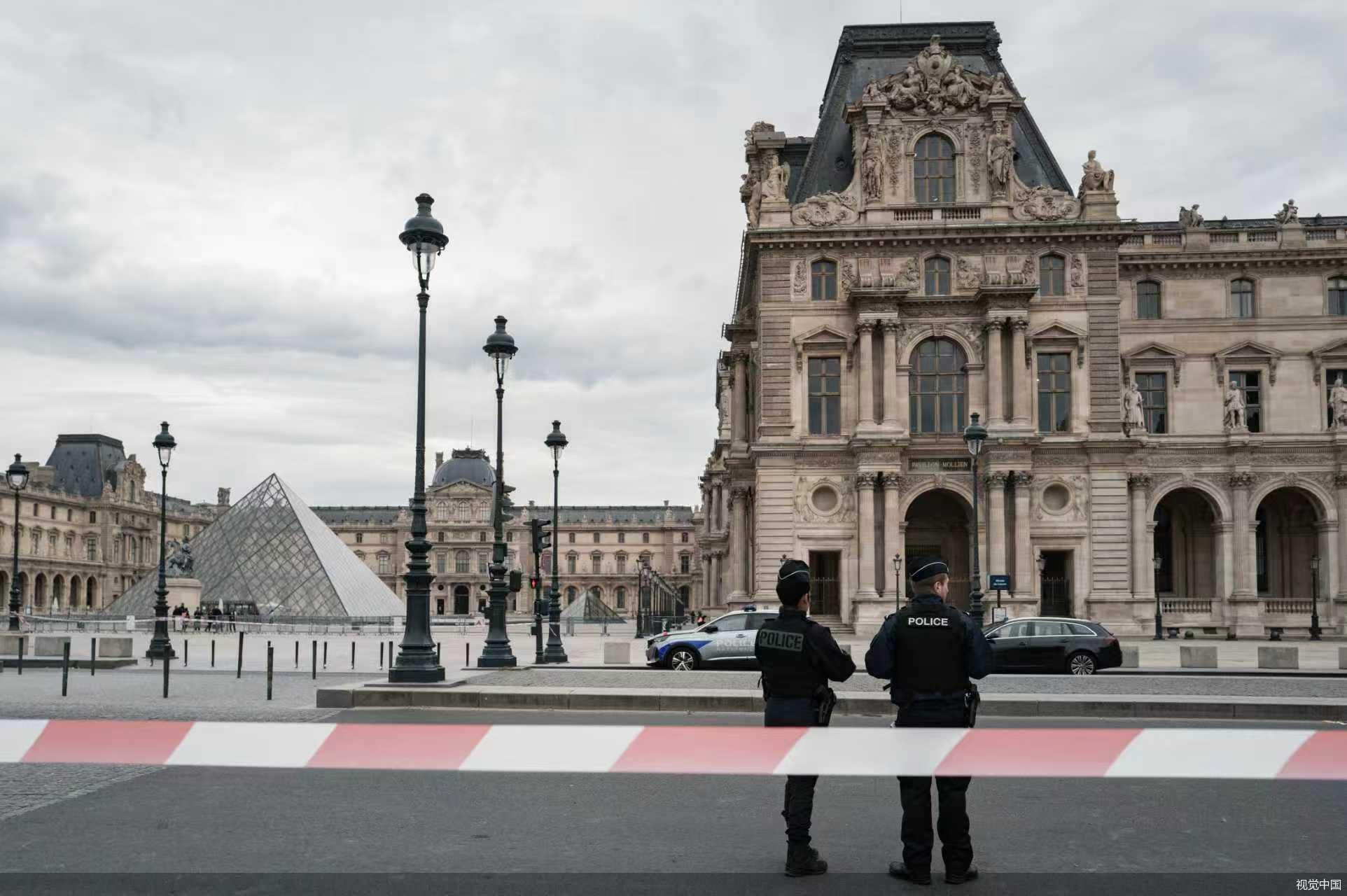
法国卢浮宫数分钟被抢9件珠宝 一顶皇冠在馆外被找到
Xin Hua She· 2025-10-19 22:11
Core Points - A robbery occurred at the Louvre Museum in Paris on the morning of October 19, involving the theft of nine pieces of jewelry from the Napoleonic era [1][2] - The robbery was executed by a skilled team in a very short time frame, with reports indicating the entire operation took between 4 to 7 minutes [2][3] - The stolen items included necklaces, brooches, and crowns, with one piece, a crown possibly belonging to Empress Eugénie, being recovered outside the museum [3][4] Summary by Sections - **Robbery Details** - The robbery took place between 9:30 and 9:40 AM, where masked individuals used a small chainsaw to break windows and gain access [2] - The French Interior Minister described the incident as a "major robbery" carried out by an "experienced team" [2] - **Response and Investigation** - The Louvre Museum announced a temporary closure for the day following the incident [1][4] - The French Culture Minister stated that efforts were underway to locate the perpetrators, and no injuries were reported during the event [4] - **Historical Context** - The Louvre has a history of thefts, with notable incidents including the theft of the "Mona Lisa" in 1911 and the theft of Renaissance armor in 1983 [4]
“很难销赃”,卢浮宫劫案最新进展!法国媒体:一顶王冠被找到,镶有1354颗钻石、1136颗玫瑰形宝石和56颗祖母绿,但已破损
Bei Jing Qing Nian Bao· 2025-10-19 17:53
Core Points - A significant armed robbery occurred at the Louvre Museum on October 19, where thieves disguised as construction workers used a lift to access the museum and stole several valuable jewels in approximately seven minutes [1][3][5] - The French Interior Minister confirmed the incident as a major armed robbery, with police actively pursuing the suspects [3][5] - Some stolen jewels have been recovered, including the crown of Empress Eugénie, which is adorned with 1,354 diamonds, 1,136 rose-cut gems, and 56 emeralds [7] Incident Details - The robbery involved three to four suspects who entered the museum using a lift and cut through glass to access the Apollo Gallery [5][6] - The suspects arrived at the Louvre at 9:30 AM, triggering an alarm by 9:37 AM, and escaped via motorcycle shortly after [5][6] - The duration of the robbery is debated, with some reports suggesting it was completed in under four minutes [5][7] Security Concerns - The incident has raised significant concerns regarding museum security, prompting the Louvre's management to request a security assessment from the Paris police prior to the robbery [11] - This robbery marks the third theft in French museums within two months, highlighting a potential trend of targeted attacks on cultural institutions [11][12] Historical Context - The Apollo Gallery, where the robbery took place, is a significant exhibition space for royal jewels and has been recently renovated to enhance security [8][10] - The Louvre has a history of thefts, including the famous 1911 theft of the Mona Lisa, which was not recovered for three years [13]