危机应对能力

Search documents
一觉醒来,美国迎来了坏消息,特朗普开始下令,美大军集结
Sou Hu Cai Jing· 2026-01-26 10:52
Group 1 - The article highlights the increasing uncertainty in global geopolitics, particularly focusing on the challenges faced by the United States amid various crises, including the Trump administration's actions and international conflicts [1][3] - The U.S. military strategy in the Middle East is under significant strain, with reports indicating that the U.S. has lost its previous operational advantages, particularly in Syria, where the situation has deteriorated [3] - The deployment of a large U.S. naval fleet to the Persian Gulf and the introduction of punitive tariffs against Iran signal escalating tensions in the region, with specific military assets being mobilized for potential conflict [5] Group 2 - Domestic structural issues in the U.S. are becoming increasingly apparent, as exemplified by the malfunction of Air Force One, which symbolizes deeper challenges within the U.S. power structure [7] - The U.S. has announced its formal withdrawal from the World Health Organization, with a significant outstanding payment of $260 million for dues in 2024 and 2025, raising concerns about its commitment to international organizations [8] - The current global situation is testing the resilience of national governance and crisis response capabilities, as domestic issues overshadow international disputes, such as the sovereignty of Greenland and tariffs on Iran [9]

全球安全资产变革的历史规律及对我国的启示
Sou Hu Cai Jing· 2025-10-13 03:18
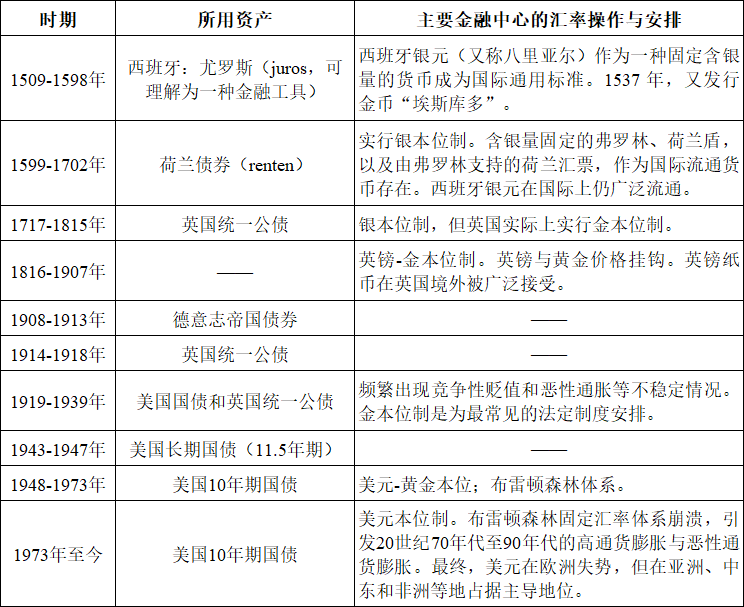
Core Viewpoint - The current dollar system is facing a historic turning point as its three pillars—comprehensive national strength, crisis response capability, and institutional advantages—are simultaneously weakening, providing a strategic window for the development of the renminbi [1][9]. Group 1: Evolution of Global Safe Assets - Safe assets are defined as those that maintain stable nominal returns, high liquidity, and low credit risk during market turmoil [2]. - The International Monetary Fund (IMF) outlines five conditions for safe assets: low credit and market risk, high market liquidity, limited inflation risk, low exchange rate risk, and minimal idiosyncratic risk [2]. - U.S. Treasury bonds are currently viewed as the safest store of value globally, holding a significant share in the safe asset portfolio [2]. Group 2: Historical Support Conditions for Safe Assets - Comprehensive national strength is the fundamental support for a currency to become a global safe asset, as seen in historical examples like Spain, the Netherlands, and the UK [5]. - Crisis response capability is crucial for market trust, demonstrated by historical mechanisms like the Dutch East India Company bond trading and the establishment of the Federal Reserve's global dollar swap network [6]. - Institutional advantages manifest in three areas: rule-making power, control over clearing networks, and liquidity supply dominance, which are essential for maintaining currency hegemony [7]. Group 3: Current Challenges to the Dollar System - The U.S. is experiencing a relative weakening of national strength, with GDP shrinking by 0.3% in Q1 2025 and a manufacturing sector share in GDP dropping to just over 10% [10]. - The frequent use of economic sanctions by the U.S. has damaged institutional credibility, leading to a decline in the dollar's share of global foreign exchange reserves from 72% in 2000 to below 60% currently [11]. - Technological advancements are disrupting traditional institutional advantages, with over 20% of oil trade now conducted in non-dollar settlements and significant progress in digital currency development [12]. Group 4: Strategic Recommendations for the Renminbi - Strengthening comprehensive national strength through high-quality economic development and enhancing competitiveness in high-end manufacturing and digital technology [14]. - Improving crisis response capabilities and market trust by enhancing the liquidity of renminbi assets and reforming the national bond market [15]. - Building a new institutional advantage by coordinating rule-making, clearing, and liquidity supply systems to support the cross-border use of the renminbi [16].