历史经典产业高质量发展

Search documents
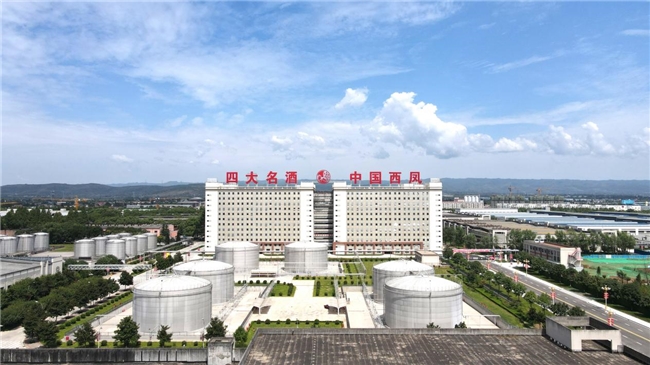
让历史成为生产力:西凤酒的“经典产业”新答卷
Sou Hu Wang· 2026-01-26 05:17
Core Viewpoint - The article discusses how Xifeng Liquor, a representative of Fengxiang-style liquor and one of China's four famous liquors, is navigating the transition from a traditional industry to a modern economic system by integrating intangible cultural heritage with modern management practices [2][3]. Group 1: Cultural and Competitive Asset Transformation - The core challenge for historical classic industries is to effectively transform deep-rooted "cultural assets" into sustainable "competitive assets" [3]. - Xifeng Liquor's 3,000-year brewing history serves as an irreplaceable cultural reference point, providing a solid quality moat and brand premium [3]. - The integration of national-level intangible cultural heritage techniques with modern technology, such as digital twin technology and MES systems, enhances standardization and controllability in production processes [3][5]. Group 2: Industry Collaboration and Ecosystem Development - Xifeng Liquor emphasizes the importance of industry collaboration, aiming to build a high-quality development ecosystem for the liquor industry [5]. - As a "chain leader," Xifeng has fostered a collaborative industrial cluster in Baoji, involving 24 liquor companies and 34 supporting enterprises, which reduces costs and strengthens the brand effect of "China Fengxiang Liquor City" [5]. Group 3: Strategic Repositioning - Xifeng Liquor is transitioning from being a "category leader" to an "ecosystem leader" in the liquor industry [6]. - The launch of the Hong Xifeng Lu Yi Ba product in 2025 exemplifies a significant value leap for Fengxiang-style liquor, showcasing innovative brewing techniques that enhance flavor complexity and drinking comfort by 40% [6]. Group 4: Product Innovation and Market Adaptation - Xifeng Liquor is responding to trends of diversified, youthful, and health-conscious consumption by developing low-alcohol product lines and enhancing the drinking experience [8]. - The introduction of new products at the "2025 China Liquor Industry Development Seminar" aims to create a "value galaxy" that covers various price ranges and consumption scenarios [8]. Group 5: Capital Efficiency and Cultural Integration - From a capital market perspective, Xifeng Liquor's "1257 strategy" and "Golden Network Project" address the need for modernized organization, channels, and marketing while preserving cultural roots [9]. - The establishment of a 600,000-acre raw grain base ensures quality and cost control, enhancing risk resilience and financial stability [9]. - Cultural initiatives, such as the "Sealing Ceremony" and support for major events, serve as effective brand capital investments, linking the brand to national cultural narratives [9]. Group 6: Balanced Wisdom for High-Quality Development - Xifeng Liquor's practices provide a model for high-quality development in historical classic industries, emphasizing the need for a balance between traditional values and modern market dynamics [11].

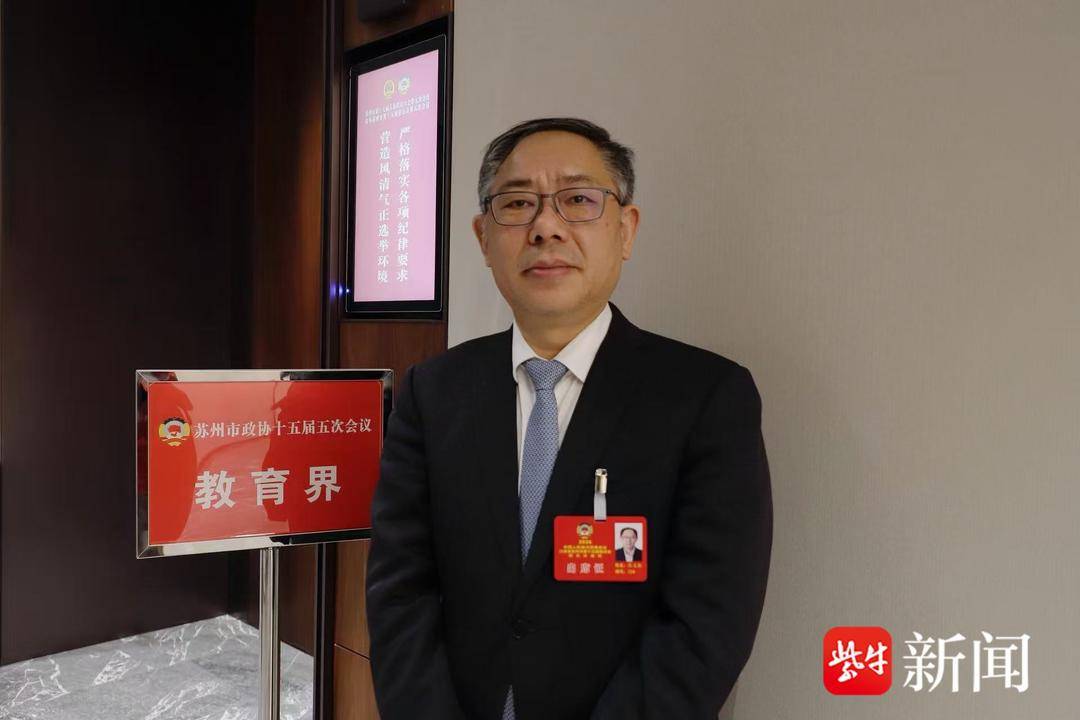
苏州市政协委员张克勤:推动历史经典产业高质量发展
Yang Zi Wan Bao Wang· 2026-01-24 09:35
Core Viewpoint - The article discusses the need for high-quality development of Suzhou's historical classic industries, emphasizing the importance of preserving and innovating these cultural assets to enhance employment, urban-rural integration, and cultural confidence [3]. Group 1: Historical Classic Industries - Suzhou, as a national historical and cultural city, boasts a range of classic industries such as silk, embroidery, and Su-style furniture, which are integral to its cultural identity and economic development [3]. - The city has prioritized the protection and development of these industries by incorporating them into its cultural industry framework, establishing special funds for silk and embroidery, and creating museums to showcase these crafts [3]. Group 2: Challenges Faced - Despite efforts, Suzhou's historical classic industries face challenges characterized by being "small, scattered, and weak," with many businesses operating as workshops or small enterprises, limiting market scale [3]. - Issues such as aging artisans, insufficient product design innovation, weak brand building, and inadequate integration with other sectors like tourism and technology hinder the transition from traditional craftsmanship to modern industry [3]. Group 3: Recommendations for Development - The article suggests implementing a "Craftsmanship Inheritance and Innovation Incentive" program to activate talent resources and a "Industry Cluster and Brand Enhancement" plan to strengthen industry development [4]. - It also recommends a "Digital Empowerment and Integration Expansion" initiative to explore new development spaces and optimizing policy and service supply to create a supportive environment for the high-quality development of historical classic industries [4].