去供应商化

Search documents
“胖改店”退烧 去供应商化难上加难
Bei Jing Shang Bao· 2025-04-13 13:30
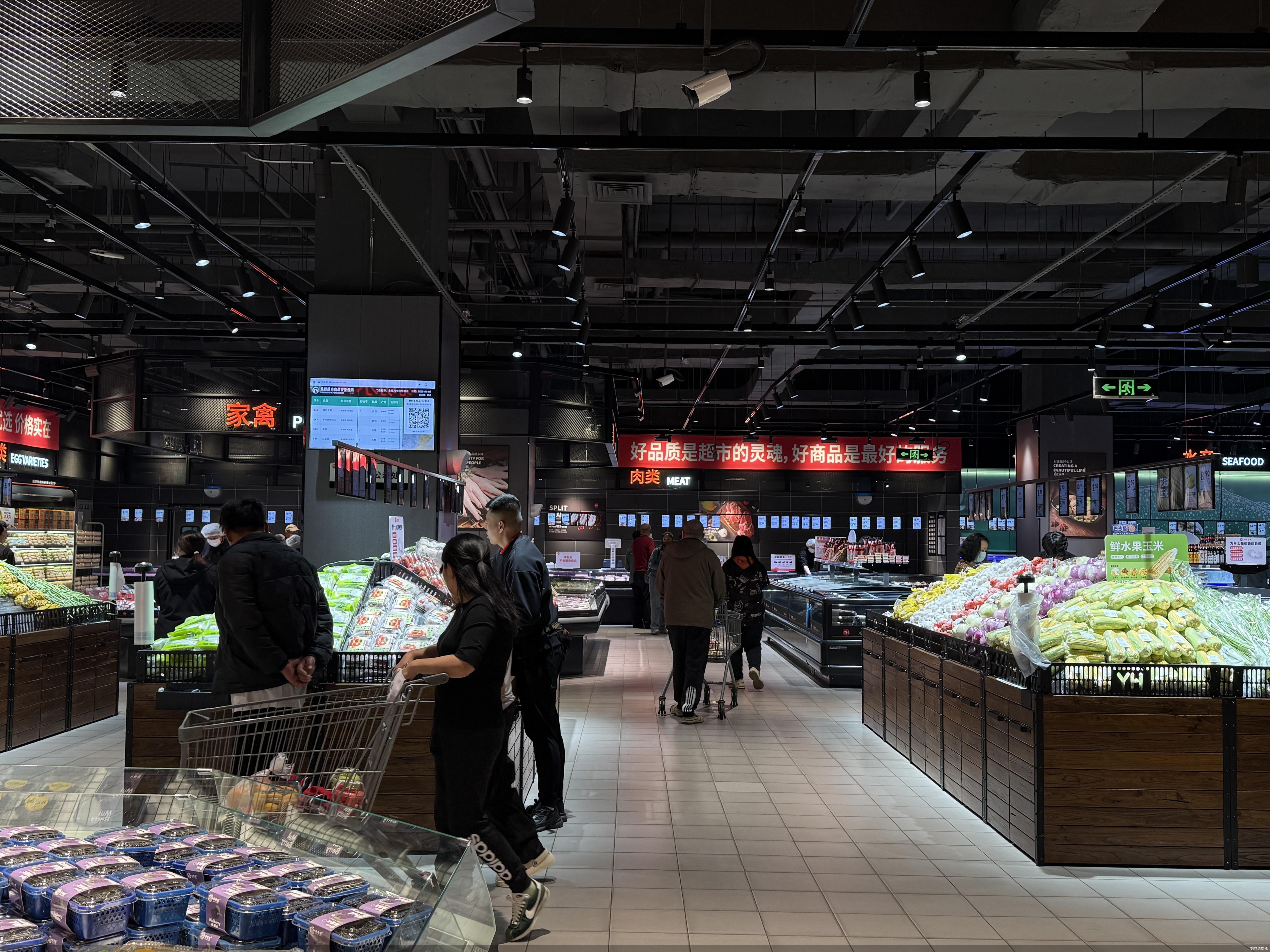
Core Insights - The initial surge in customer traffic at the "Fat Reform Store" has stabilized, with current foot traffic significantly lower than the opening day, which saw nearly 50,000 visitors [2][10] - The supply chain adjustments are more profound, as the move to eliminate intermediaries is not just about shortening the supply chain but also compressing brand profit margins and altering the balance of power in supplier relationships [1][12] Group 1: Customer Traffic Trends - The first "Fat Reform Store" in Beijing has seen a noticeable decrease in customer numbers compared to its opening, with consumers now primarily concentrated in specific areas like the cooked food section and the Fat Donglai product zone [2][11] - Other reform stores, such as those in Fangshan and Daxing, also report minimal queueing during weekdays, indicating a return to normalcy in customer flow [10] Group 2: Supply Chain Adjustments - The strategy of eliminating intermediaries is viewed as essential, but it poses challenges, as suppliers have traditionally played a crucial role in the retail ecosystem [12][15] - The shift to direct procurement aims to reduce costs by 15% and involves a significant reduction in the number of suppliers from 2,300 to 800 core partners [13][14] Group 3: Financial Implications - The financial impact of the support provided by Fat Donglai has resulted in losses, with reported support costs of approximately 83 million yuan and overall sales losses of about 1.9 billion yuan [15] - The need for reform stores to establish their core competitiveness is emphasized, as relying solely on Fat Donglai's products for customer attraction is unsustainable [15] Group 4: Future Outlook - The number of reform stores is expected to grow, with projections of reaching 100 by mid-year and 200 by the end of the year for Yonghui, while Wumart plans to upgrade over 30 key stores by 2025 [14] - Industry experts suggest that achieving complete elimination of suppliers is challenging, and alternative strategies such as equity cooperation may be necessary to reshape the supply chain [15]