去单一化

Search documents
美债持仓跌到18年最低!转头狂买黄金,达利欧的警告要应验?
Sou Hu Cai Jing· 2026-02-11 17:12
Core Viewpoint - China's attitude towards US Treasury bonds is shifting from allocation to withdrawal, indicating a strategic retreat and a reduction in exposure to US dollar credit [1] Group 1: China's Actions - China has reduced its holdings of US Treasury bonds to the lowest level since 2008, signaling a proactive approach to decrease reliance on the dollar [1] - China has been increasing its gold reserves for 14 consecutive months, indicating a long-term shift in asset allocation strategy [3] - The core of foreign exchange reserves is shifting from "earning more" to "surviving longer," with gold serving as a protective asset during times of external credit instability [5] Group 2: US Debt Concerns - The US national debt has surpassed $38 trillion, with interest payments exceeding $1 trillion annually, highlighting a significant fiscal burden [7] - The rapid increase in debt from $34 trillion to $38 trillion over two years is outpacing GDP growth, raising concerns about refinancing risks [7] - The warning from Ray Dalio about the US being in a debt cycle nearing collapse emphasizes the unsustainable nature of current fiscal policies [5][9] Group 3: Global Financial Dynamics - The proportion of the dollar in global foreign exchange reserves has decreased from 72% in 2000 to an estimated 46% in 2024, indicating a systemic rebalancing away from dollar dependency [9] - Central banks are increasingly favoring gold over US Treasury bonds, with global central bank gold holdings expected to surpass the market value of US debt by 2025 [11] - The shift towards diversified asset allocation reflects a broader trend of reducing reliance on a single credit asset in favor of more resilient combinations [9][13] Group 4: Implications for China - China's foreign exchange reserves are now more focused on safety and resilience, reducing risks associated with a single currency [15] - The strategic value of gold and key resources is rising, linking financial security with resource security [15] - The volatility of the dollar system is likely to impact global pricing power, with rising gold prices reflecting a depreciation of paper currency [15][17]

东鹏饮料赴港IPO:从“红牛挑战者”到行业龙头的崛起密码!
Sou Hu Cai Jing· 2025-04-13 12:30
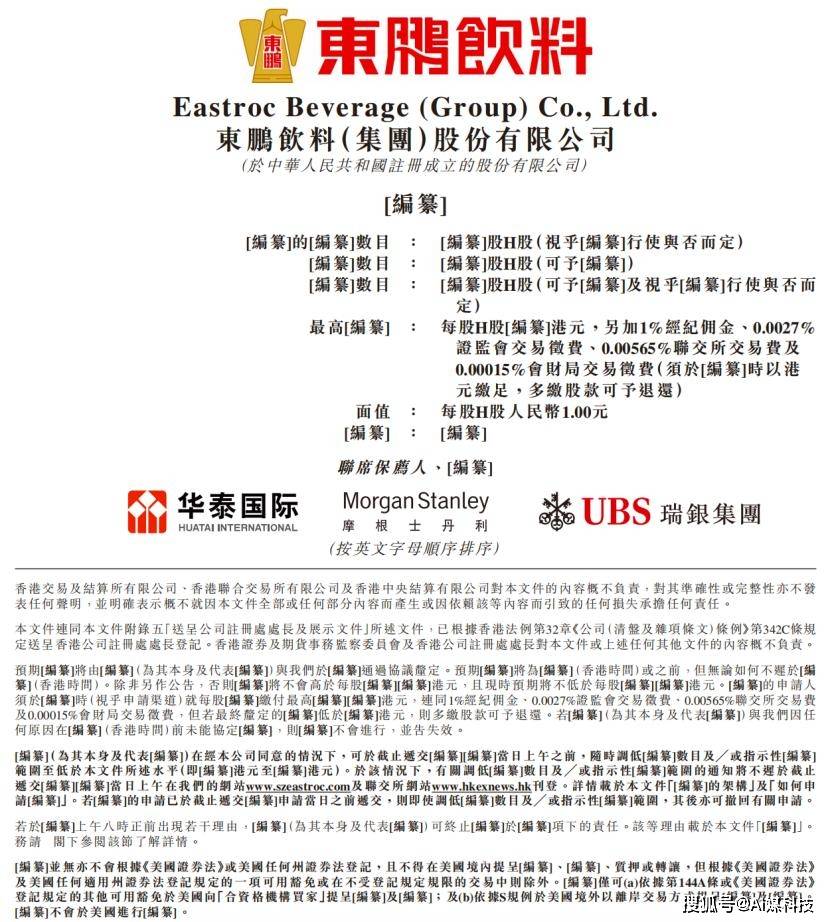
Core Viewpoint - Dongpeng Beverage, a leading functional beverage company in China, has submitted an H-share listing application to the Hong Kong Stock Exchange, aiming to expand its global market presence through an "A+H" dual listing structure. This marks the company's second attempt to access the capital market after its A-share listing in 2021. Despite impressive financial performance, Dongpeng faces challenges such as reliance on a single product, intensified market competition, and globalization hurdles [1][11]. Financial Performance - Dongpeng Beverage projects a revenue of 15.839 billion yuan and a net profit of 3.326 billion yuan for 2024, maintaining a market capitalization in the trillion yuan range [1]. - The company's stock price surged to 265 yuan per share post its A-share listing in 2021, with revenue increasing over twofold and net profit growing more than threefold in four years [9]. Market Position and Product Dependency - Dongpeng's flagship product, Dongpeng Special Drink, accounted for 84% of the company's revenue in 2024, with energy drinks making up 91.9% of total revenue [9]. - The functional beverage market's growth rate has declined from 38.4% in 2023 to 28.5% in 2024, indicating signs of market saturation [9]. Competitive Landscape - Competitors like Red Bull have resumed aggressive market strategies, regaining a market share of 22%, while other brands like Pulse and Alien are expanding in the sports drink sector [11]. - Dongpeng has introduced new products such as electrolyte drinks and a multi-category strategy, but these new categories contribute less than 10% to overall revenue [11]. Strategic Challenges - The company's financial strategy has raised concerns, as it distributed 1.3 billion yuan in cash dividends while allocating 11 billion yuan of idle funds for investment, which appears misaligned with its stated needs for capacity expansion and supply chain upgrades [11]. - The controlling family, Lin Mulin, holds 50.7% of the company's shares, while the second-largest shareholder has been reducing their stake, reflecting a lack of confidence in Dongpeng's long-term strategy [11]. Future Outlook - Analysts suggest that the dual listing could enhance financing channels and international brand image, potentially paving the way for overseas acquisitions. However, the heavy reliance on a single product may pressure valuations [11]. - Dongpeng aims to adhere to a "platform company" strategy, leveraging existing channel advantages to diversify its product offerings rather than pursuing acquisitions [12].