东鹏补水啦

Search documents
东鹏饮料业绩七连增,A+H双轮驱动开启全球化新篇章
经济观察报· 2026-03-31 13:37
Core Viewpoint - Dongpeng Beverage has achieved remarkable growth, with 2025 revenue reaching 20.875 billion yuan and net profit of 4.415 billion yuan, both showing over 30% year-on-year growth, marking seven consecutive years of high growth [1][2]. Financial Performance - In 2025, Dongpeng Beverage's revenue increased by 31.80% year-on-year, while net profit rose by 32.72%, both setting historical records since the company's listing [2]. - From 2021 to 2025, revenue grew from 6.978 billion yuan to 20.875 billion yuan, a 199.15% increase, and net profit surged from 1.193 billion yuan to 4.415 billion yuan, a 270.08% increase, indicating enhanced profitability and operational efficiency [4]. - The company has maintained a positive net profit growth for seven consecutive years, with annual growth rates exceeding 20% [5]. Market Position - Dongpeng Beverage is one of only 18 companies in the A-share market that have maintained a net profit growth rate above 20% annually from 2019 to 2024, highlighting its strong growth potential and resilience [5]. - With a total market capitalization of 128.8 billion yuan, Dongpeng Beverage is among the few high-growth leaders in the A-share market [5]. Return on Equity (ROE) - The company's ROE for 2025 was 51.61%, consistently exceeding 20% for nine consecutive years, showcasing its strong profitability [6]. - Dongpeng Beverage has distributed over 6.6 billion yuan in dividends since its listing, with plans for over 1.4 billion yuan in dividends for 2025 [6]. Growth Strategy - Dongpeng Beverage's success is attributed to its "1+6" multi-category strategy, which aims to transition from a single-category leader to a comprehensive beverage group [9][10]. - The "1" represents the core product "Dongpeng Special Drink," while the "6" includes six potential categories designed for various consumer scenarios, such as "Dongpeng Hydration" and "Fruit Tea" [9][10]. Product Development - The "Dongpeng Special Drink" has maintained its leading position in the energy drink market, achieving over 15 billion yuan in sales in 2025 [10]. - The "Dongpeng Hydration" product line has seen explosive growth, reaching 3.274 billion yuan in revenue, a year-on-year increase of 118.99%, establishing itself as the company's second growth curve [12][13]. International Expansion - Dongpeng Beverage is expanding its international presence, focusing on Southeast Asia and the Chinese diaspora, with products now sold in 32 countries and regions [15][16]. - The company aims to transition from "Made in China" to "Brand from China," enhancing its global brand recognition [16]. - The successful listing on the Hong Kong Stock Exchange has attracted significant global investors, providing financial support for its international strategy [16][17].


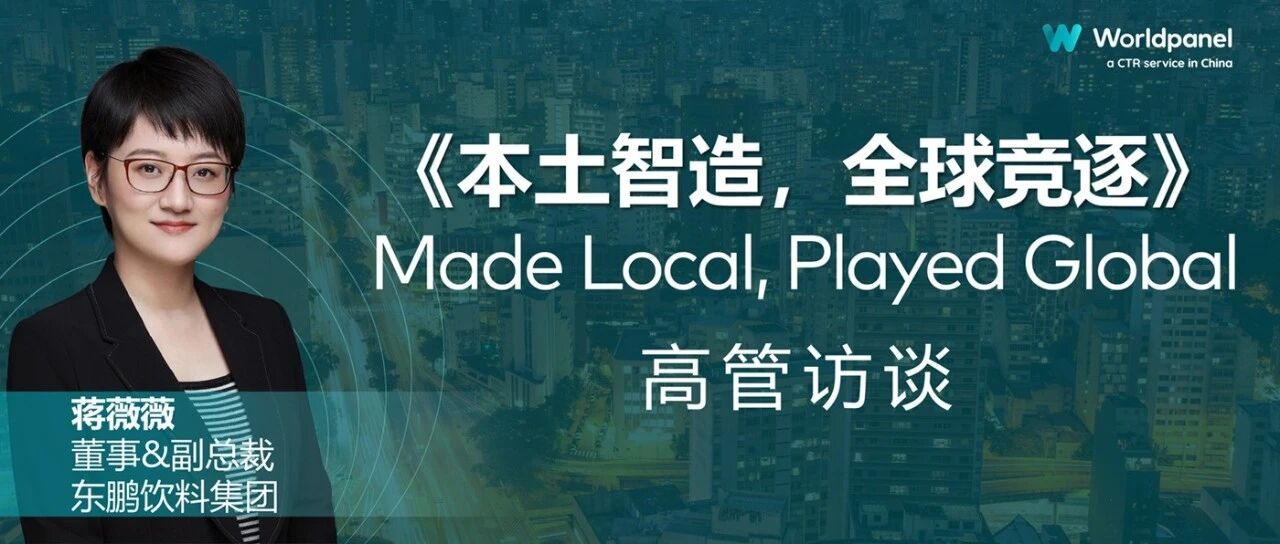
《本土智造,全球竞逐》高管访谈 | 对话东鹏饮料集团董事&副总裁蒋薇薇女士
凯度消费者指数· 2026-03-23 03:52
Core Insights - The report "Made Local, Played Global" indicates that by 2025, local brands will account for nearly 79% of the sales share in the Asia-Pacific fast-moving consumer goods (FMCG) market, up from 74% a decade ago, highlighting a shift from traditional manufacturing to brand-driven strategies in Asia [1][12] - The success of Asian giants is attributed to five key core capabilities identified through in-depth interviews with 16 leading brand decision-makers [1][12] Group 1: Company Growth and Strategy - Eastroc Beverage has seen 42 million households in China's tier 1-5 cities purchase its products by 2025, driven by an efficient and flexible corporate culture and the ability to execute strategies quickly using data [1] - The company launched its flagship product, Eastroc Special Drink, in 1998, with a pivotal moment in 2009 when it introduced a competitively priced 250ml PET bottle featuring a unique "dust-proof cap design," leading to its position as the top-selling energy drink in China for four consecutive years [5] Group 2: Organizational Flexibility - With over 10,000 employees, Eastroc Beverage has established a flat organizational structure that promotes rapid decision-making, allowing strategic decisions to be made within an hour, compared to months or years in other companies [7] - The company encourages a culture of innovation and exploration, empowering business unit leaders to operate within a framework and budget, fostering a sense of ownership and accountability [7] Group 3: Digital Integration - In 2015, Eastroc Beverage pioneered the "Scan to Win Red Packet" campaign, enhancing direct engagement with consumers and ensuring traceability of expenses [8] - The company utilizes a "five-code association" system to connect production and distribution, enabling data-driven decision-making and real-time monitoring of sales and inventory through an internal "data cockpit" [8] Group 4: Innovation and Market Responsiveness - The successful launch of the electrolyte drink "Eastroc Hydration" is a case of rapid market response, with the company capitalizing on increased demand post-COVID-19, achieving 500 million yuan in revenue in its first year (2023) and projected growth to nearly 1.5 billion yuan in 2024 [10]
钟睒睒,杀入新战场
商业洞察· 2026-03-08 09:23
Core Viewpoint - The article discusses the competitive landscape of the beverage industry in China, particularly focusing on the recent launch of Nongfu Spring's new electrolyte drink, which aims to capture a growing market for electrolyte beverages that has emerged post-pandemic [4][6]. Group 1: Market Context - The electrolyte beverage market has seen significant growth, with sales growth rates consistently above 40% since April 2024, and some months exceeding 60% [10]. - The pandemic has shifted consumer preferences towards health-oriented products, making electrolyte drinks a popular choice for daily hydration [10][12]. Group 2: Product Launch - Nongfu Spring has launched a new electrolyte drink named "Electrolyte," available in grapefruit and lemon flavors, priced aggressively at approximately 3.67 yuan per bottle [14][15]. - This pricing strategy positions the product competitively against other brands, which typically price their electrolyte drinks between 4-7 yuan [15]. Group 3: Strategic Shift - The new product aims to redefine consumption scenarios, focusing on everyday hydration rather than just athletic performance, thus targeting a broader audience [16][18]. - The strategy reflects a shift from a "functional war" in sports drinks to a "stock war" in convenience stores, competing not only with sports drinks but also with other ready-to-drink products [18]. Group 4: Competitive Landscape - The electrolyte beverage market is crowded, with competitors like Yuanqi Forest and Dongpeng Beverage already established, making it crucial for Nongfu Spring to leverage its distribution network and brand strength [21][22]. - Nongfu Spring has a vast distribution network with around 5,000 distributors and over 2 million retail outlets, which is essential for rapid product rollout [22]. Group 5: Future Outlook - The article suggests that the entry of Nongfu Spring into the electrolyte market could lead to a reshuffling of market dynamics, challenging existing players to maintain their market share [24]. - The beverage industry is expected to remain highly competitive, particularly in the summer, as new products vie for consumer attention [25].

东鹏饮料也需“提神”
YOUNG财经 漾财经· 2026-03-06 12:47
Core Viewpoint - Dongpeng Beverage, a leading functional beverage company in China, faces challenges despite strong growth projections, with concerns about its core product's growth potential and increasing competition in the market [4][5][6][19]. Financial Performance - Dongpeng Beverage's IPO raised over HKD 10 billion, setting a record in the Asian beverage sector, with expected revenue growth of over 30% for 2025, reaching between CNY 207.6 billion and CNY 211.2 billion [4][6]. - The company's net profit for 2025 is projected to be between CNY 43.4 billion and CNY 45.9 billion, also reflecting a growth rate exceeding 30% [6][7]. - However, the fourth quarter of 2025 shows a potential decline in net profit growth, with estimates ranging from a decrease of 6.5% to an increase of 34% [8]. Core Product Concerns - Dongpeng's flagship product, Dongpeng Special Drink, has seen a decline in revenue growth from 42.34% in 2021 to 19.35% in 2025, raising concerns about reaching a growth ceiling [9][10]. - The revenue from Dongpeng Special Drink in Q3 2025 was CNY 42.03 billion, marking a 14.59% year-on-year increase, the lowest quarterly growth in three years [9][10]. Market Competition - The functional beverage market is highly competitive, with established brands like Red Bull and local players exerting pressure on Dongpeng's market share [19][20]. - Dongpeng's market share in the functional beverage sector was 23.0% in 2024, but the competitive landscape is intensifying with new entrants and aggressive pricing strategies [19][20]. Growth Strategies - Dongpeng is focusing on developing a second growth curve by expanding its product portfolio, including new categories like Dongpeng Coffee and Dongpeng Electrolyte Water [13][14]. - The newly launched Dongpeng Electrolyte Water achieved remarkable growth, generating nearly CNY 15 billion in revenue in 2024, with a year-on-year growth rate of 280.4% [14][15]. International Expansion - Dongpeng is accelerating its global expansion, establishing subsidiaries in countries like Indonesia and Vietnam, and planning to invest approximately USD 300 million in a joint venture for production and distribution [21][22]. - Despite the potential for international growth, Dongpeng's current overseas revenue contribution remains minimal, indicating a long-term strategy rather than immediate results [22]. Governance and Capital Concerns - The company's governance structure is heavily family-controlled, raising concerns about shareholder interests and capital allocation, especially with significant shareholder sell-offs [24][25]. - Dongpeng's financial leverage has increased, with short-term borrowings rising from CNY 31.82 billion to CNY 69.73 billion between 2022 and Q3 2025, leading to a debt-to-asset ratio above 60% [25][26].
农夫山泉新年杀入电解质饮料赛道,要与外星人、东鹏补水啦等贴身肉搏?
3 6 Ke· 2026-02-27 00:17
Core Insights - The main point of the article is that Nongfu Spring, China's largest beverage company, is entering the electrolyte drink market with a new product that emphasizes "low sugar, low burden," and aims to capture the daily hydration segment despite existing competition [1][6]. Market Opportunity - Nongfu Spring's new electrolyte drink features "four types of electrolytes + dual vitamins," and is marketed as "professional hydration" with flavors of lemon and grapefruit, each bottle containing 550ml [3]. - The drink contains over 500mg of electrolytes for grapefruit flavor and over 350mg for lemon flavor, with a sugar content of 4.5g per 100ml, catering to low-sugar consumers [3][6]. - The market for electrolyte drinks in China is projected to grow by 32.7% year-on-year by 2025, driven by increasing consumer health awareness [6][8]. Competitive Landscape - The electrolyte drink market is competitive, with established brands like Pocari Sweat and Pulse, as well as newer entrants like Yuanqi Forest and Dongpeng Beverage [1][9]. - Nongfu Spring's pricing strategy positions its new product at approximately 3.67 yuan per bottle, which is competitive compared to other brands in the market [9][11]. Distribution and Marketing Strategy - Nongfu Spring has a significant distribution advantage with over 2 million retail terminals, allowing for quicker market penetration and visibility for the new product [11]. - The company is leveraging its existing channels for distribution, which can enhance the product's market presence without the need for building new channels from scratch [11]. - Marketing efforts are crucial, as established brands have already created strong emotional connections with consumers; Nongfu Spring needs targeted promotions to build recognition for its new product [13]. Challenges - The new product faces challenges from market saturation and the need for clear differentiation to avoid being lost among competitors [9][13]. - Effective marketing and promotional strategies will be essential for Nongfu Spring to establish its new electrolyte drink in a crowded market [13].
A+H双上市赋能:林木勤领航东鹏饮料再启全球化新篇
Sou Hu Wang· 2026-02-10 07:04
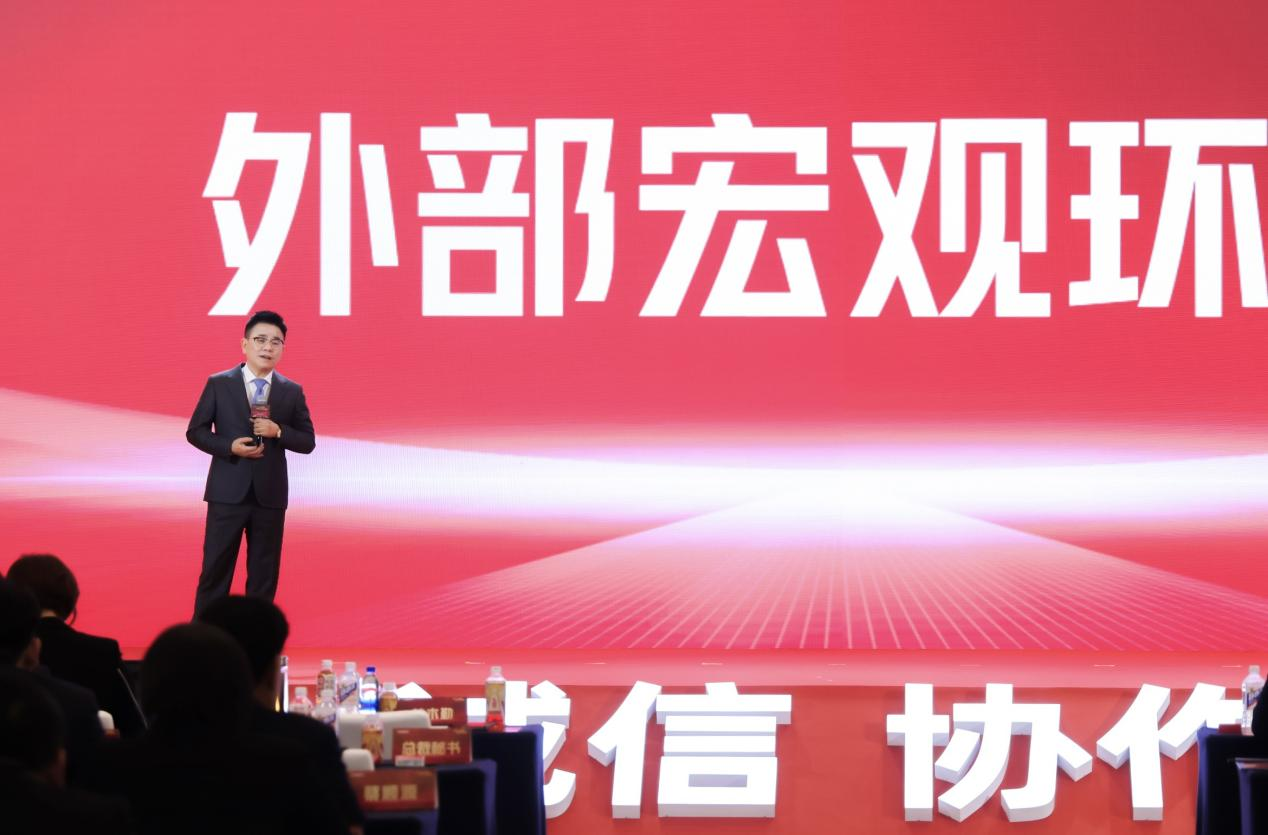
Core Viewpoint - Dongpeng Beverage has officially listed on the Hong Kong Stock Exchange, becoming the first domestic functional beverage company with both A and H shares, marking a new starting point for its global expansion mission led by Lin Muqin [1][12]. Group 1: Company Development - In 2003, Lin Muqin took over a struggling Dongpeng Beverage factory with an annual output value of less than 20 million yuan, initiating a challenging entrepreneurial journey [2]. - The company faced significant challenges in its early years, including funding shortages and market competition, but successfully navigated these issues by focusing on cost control and efficiency [2]. - Dongpeng Beverage has established itself as a leader in the energy drink market, with Dongpeng Special Drink ranking first in sales in China since 2021, supported by a diverse product strategy [6]. Group 2: Product Innovation - The introduction of Dongpeng Special Drink with a PET bottle and dust-proof cap addressed the needs of outdoor workers and long-distance drivers, allowing the company to penetrate lower-tier markets effectively [2]. - The company has expanded its product line with the "1+6" multi-category strategy, including successful products like "Dongpeng Water" and various tea beverages, responding to diverse consumer needs [6]. Group 3: Supply Chain and Digitalization - Dongpeng Beverage has developed a digital supply chain system that enhances operational efficiency and reduces market response time, establishing a competitive edge in the fast-moving consumer goods sector [9][10]. - The company has built 14 production bases across China, with a total designed capacity exceeding 4.8 million tons, supporting its national and international expansion [9]. Group 4: Global Expansion Strategy - In 2025, Dongpeng Beverage will officially begin its global expansion, targeting Southeast Asia and other regions, leveraging its established product system and supply chain capabilities [11]. - The company has invested $200 million in Indonesia to build a production facility, aiming to enhance its competitiveness in overseas markets through localized production and operations [11]. Group 5: Financial Performance and Future Outlook - Dongpeng Beverage is projected to achieve a revenue growth of 31.07% to 33.34% in 2025, reflecting its strong development resilience and commitment to high-quality growth [6]. - The successful listing on the Hong Kong Stock Exchange marks a significant milestone in the company's journey from a local leader to an international player, aligning with its vision of global expansion [12][14].
港股敲锣背后,看林木勤如何以多品类+全球化战略重塑东鹏增长逻辑
Sou Hu Cai Jing· 2026-02-10 06:16
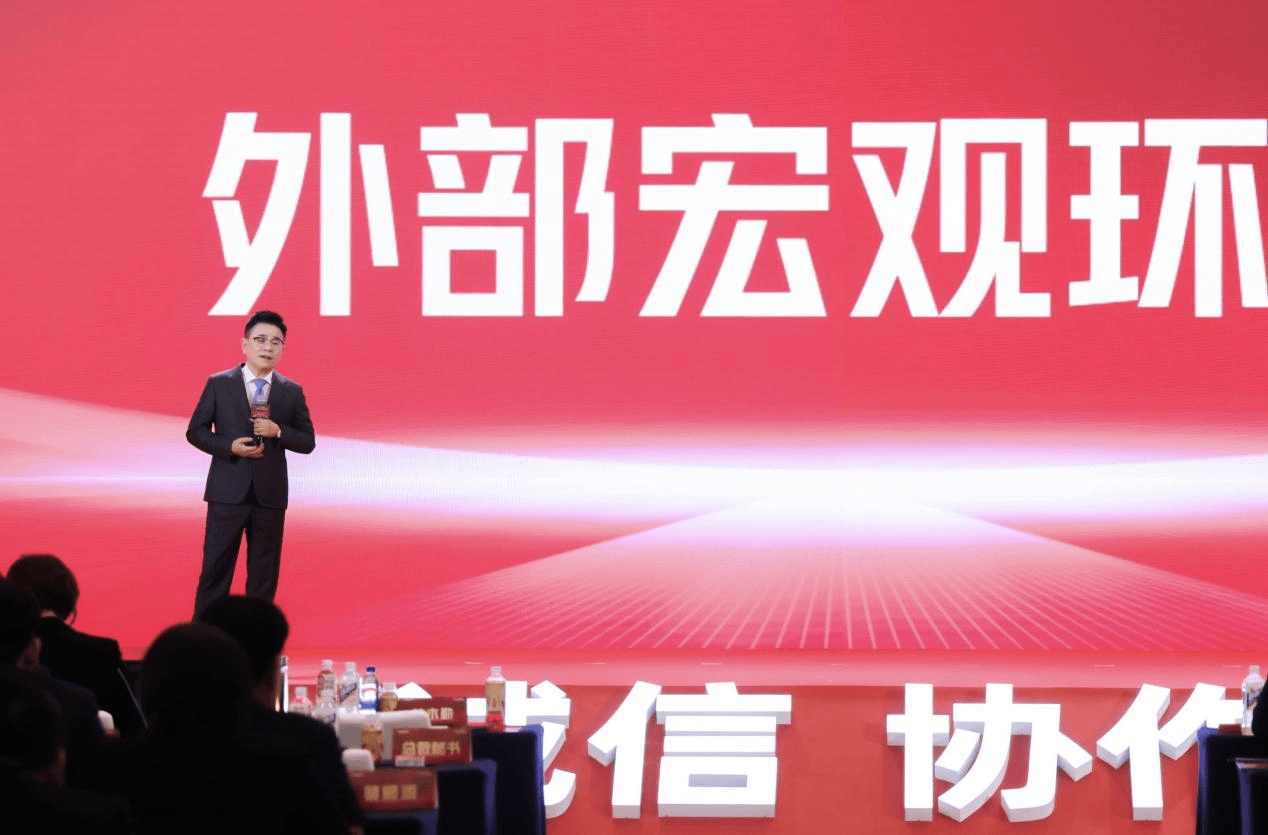
Core Viewpoint - Dongpeng Beverage officially listed on the Hong Kong Stock Exchange, becoming the first "A+H" dual-listed functional beverage company in China, marking a new starting point for its global expansion mission [1][12]. Company Development - In 2003, Dongpeng Beverage faced a survival crisis with an annual output value of less than 20 million yuan, but Chairman Lin Muqin took responsibility and led a team to overcome challenges, establishing a culture of cost control and efficiency [3]. - The introduction of the PET bottle with a dust cover for Dongpeng Special Drink in 2009 allowed the company to capture key consumer segments and significantly reduce production costs, leading to a successful market breakthrough [3]. Product Performance - Dongpeng Special Drink has maintained the top position in China's energy drink sales since 2021, with a strong performance in the market [5]. - The company's multi-category strategy, including the successful electrolyte drink "Dongpeng Water," has shown impressive growth, with revenue reaching 2.847 billion yuan in the first three quarters of 2025, a year-on-year increase of 134.78% [5]. Supply Chain and Production - Dongpeng Beverage has established 14 production bases across the country, with 10 in operation, achieving an annual design capacity of over 4.8 million tons [8]. - The company has implemented a self-developed "five-in-one" system for full-chain tracking, significantly reducing market price fluctuations and enhancing operational efficiency [10]. Global Expansion Strategy - Dongpeng Beverage is set to begin its "outbound year" in 2025, focusing on Southeast Asia and expanding to over 30 countries, leveraging local production and tailored products to meet regional preferences [11]. - A $200 million investment in Indonesia for a production facility aims to enhance competitiveness in overseas markets by avoiding tariff barriers and reducing logistics costs [11]. Financial Milestones - The successful listing on the Hong Kong Stock Exchange on February 3, 2026, marks a significant milestone in Dongpeng Beverage's journey towards becoming an international enterprise [12][14]. - The company's projected revenue growth of 31.07% to 33.34% in 2025 reflects its strong operational resilience and strategic execution [5].
港股上市三日连涨 东鹏饮料全球化布局启新程
Xin Lang Cai Jing· 2026-02-05 12:18
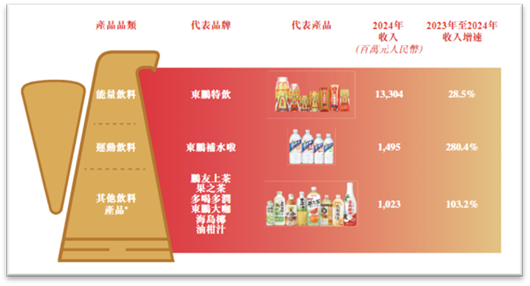
Core Viewpoint - Dongpeng Beverage has shown strong stock performance and robust revenue growth, establishing itself as a leader in the functional beverage market in China, while also beginning its international expansion strategy [1][2][6]. Group 1: Stock Performance - On February 5, Dongpeng Beverage's stock price peaked at 296 HKD, with a maximum increase of 7.32%, closing at 277.2 HKD, marking the third consecutive day of gains since its listing on the Hong Kong Stock Exchange [1][11]. - The stock was listed at an issue price of 248 HKD per share, with a market capitalization exceeding 155.5 billion HKD on its first trading day [1][11]. Group 2: Revenue Growth - Dongpeng Beverage's revenue for 2025 is projected to exceed 20 billion CNY, reaching between 20.76 billion and 21.12 billion CNY, representing a year-on-year growth of 31.07% to 33.34% [2][12]. - The expected net profit attributable to shareholders is between 4.34 billion and 4.59 billion CNY, indicating a growth of 30.46% to 37.97% compared to the previous year [2][12]. - The company has maintained double-digit growth in both revenue and net profit in recent years, with strong performance momentum [2][13]. Group 3: Market Position - Dongpeng Beverage has ranked first in China's functional beverage market by sales volume for four consecutive years since 2021, and is projected to be the second-largest functional beverage company by retail sales in 2024, holding a market share of 23.0% [2][13]. - The core product, Dongpeng Special Drink, has been a significant revenue contributor, accounting for 96.6%, 91.9%, 84.0%, and 74.6% of total revenue from 2022 to the first three quarters of 2025 [3][13]. Group 4: Product Diversification - The company is gradually reducing its reliance on a single energy drink category, with the introduction of the Dongpeng Water product in early 2023, which generated nearly 1.5 billion CNY in its second year, achieving a growth rate of 280.4% [5][15]. - The contribution of sports drinks to total revenue increased from 3.5% in 2023 to 16.9% in the first three quarters of 2025 [5][15]. - Dongpeng Beverage has expanded its product range to include tea, coffee, and plant-based protein drinks, further broadening its market presence [6][16]. Group 5: Global Expansion - The company views overseas market expansion as a key component of its globalization strategy, with part of the funds raised from its listing allocated for this purpose [6][17]. - Dongpeng Beverage has begun its international expansion, with products already available in countries such as Vietnam and Malaysia [6][17]. - In a recent strategic partnership with Indonesia's Sanlin Group, Dongpeng Beverage will invest in establishing a production base and sales operations in Indonesia, marking a significant step in its international development [10][21]. - As of the first half of 2025, overseas revenue was approximately 0.11 million CNY, accounting for about 0.14% of total revenue, indicating that the global expansion is still in its early stages [8][19].
李嘉诚、郭鹤年家族共筑信用背书,东鹏饮料H股超57倍认购启幕国际化
Xin Lang Cai Jing· 2026-02-05 11:31
Core Viewpoint - The successful IPO of Dongpeng Beverage in Hong Kong highlights its strong market position and the backing of prominent investors, indicating confidence in its growth potential and international expansion strategy [1][2][3]. Group 1: IPO Details - Dongpeng Beverage's IPO raised approximately 10 billion HKD, marking the largest IPO in the Asian beverage sector since 2020 [2]. - The public offering was oversubscribed by 57.46 times, while the international placement was 15.6 times oversubscribed, attracting significant interest from global and Chinese investors [2]. - Key cornerstone investors include the Kerry Group and the盈科 Group, showcasing the endorsement from top business families in Hong Kong [3][5]. Group 2: Market Position and Performance - Dongpeng Beverage has established itself as the leading player in China's functional beverage market, holding a 26.3% market share as of 2024 [7]. - The company achieved a compound annual growth rate (CAGR) of 41.9% in sales among the top five functional beverage brands from 2022 to 2024 [7]. - For 2025, Dongpeng Beverage projects revenues between 20.76 billion to 21.12 billion CNY, reflecting a year-on-year increase of 31.07% to 33.34% [8]. Group 3: Product and Brand Strength - Dongpeng Beverage's flagship product, Dongpeng Special Drink, has become a favorite among consumers, contributing significantly to its growth [10]. - The company has expanded its product line to include various beverages, achieving a revenue increase of 280.4% for the new product "Dongpeng Water" within a year [10]. - Dongpeng Beverage has been recognized as one of the top 25 global soft drink brands by Brand Finance, underscoring its strong brand value [10]. Group 4: Strategic Expansion Plans - The company plans to allocate approximately 36% of its IPO proceeds to enhance production capacity and supply chain, with 8% earmarked for establishing supply chain infrastructure in key overseas markets [14][15]. - Dongpeng Beverage has already set up subsidiaries in Vietnam, Indonesia, and Malaysia, aiming to tap into the growing demand for energy drinks in Southeast Asia [16]. - The long-term goal is to become a global leader in the energy drink sector, with potential market opportunities in the U.S. and other regions [17].

钉钉大楼换LOGO硬刚飞书,网友:商战总是朴实无华;马斯克团队摸底中国光伏产业链,A股巨头回应;断友商后路?元宝回应被微信「封了」
雷峰网· 2026-02-05 01:08
Group 1 - Tesla's team is exploring the Chinese photovoltaic industry chain and has signed orders with a leading heterojunction equipment manufacturer [4][5] - JinkoSolar confirmed contact with Tesla's team regarding their technology and production capabilities, leading to a surge in stock prices [5] - The photovoltaic sector saw a collective rise in stock prices following the news of Tesla's interest [5] Group 2 - DingTalk changed its logo in a competitive move against Feishu, reflecting a playful approach to brand rivalry [7][8] - The logo change was inspired by a perceived height advantage of Feishu's logo, leading to humorous online reactions [8] Group 3 - The CEO of RT-Mart's parent company, Gao Xin Retail, has been unreachable after only two months in the position, raising concerns about his status [10][11] - The company reported a significant decline in revenue and profit prior to the CEO's disappearance, indicating potential operational challenges [11] Group 4 - WeChat blocked the sharing links for the Yuanbao app, leading to a rapid adjustment in its sharing mechanism to maintain user experience [12][13] - The incident highlights the competitive tensions within Tencent's ecosystem, as other apps also faced similar restrictions [12][13] Group 5 - Vivo has confirmed the development of a Vlog camera aimed at competing with DJI's Pocket series, with a planned release in 2026 [15][16] - The new product is part of Vivo's strategy to expand its offerings in the camera technology sector [16] Group 6 - Xiaohongshu's valuation has reportedly increased to 350 billion RMB after a recent sale of shares, reflecting strong investor interest [23][24] - The platform experienced a surge in monthly active users, surpassing 350 million, contributing to its rising valuation [24] Group 7 - Panasonic announced plans to expand its layoffs to 12,000 employees due to challenges in its AI business and a decline in sales [45] - The company is facing significant operational restructuring costs as it attempts to navigate these challenges [45] Group 8 - Realme has begun layoffs in India as it transitions back under OPPO's management, indicating a shift in its operational strategy [46][47] - The brand's return to OPPO aims to enhance product innovation and service delivery [46][47] Group 9 - Samsung Electronics' market value surpassed 1,000 trillion KRW, driven by a surge in demand for storage chips amid the AI boom [49][50] - The company's stock has seen significant growth, with expectations for continued strong performance in the semiconductor market [49][50] Group 10 - AMD's CEO revealed that the next generation Xbox is on track for a 2027 release, with custom SoCs already in development [52] - This collaboration continues AMD's long-standing partnership with Microsoft in the gaming console market [52]